
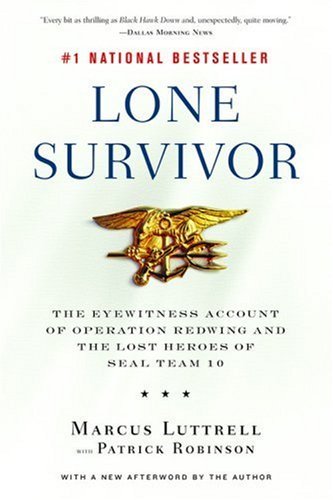
Lone Survivor
The Eyewitness Account of Operation Redwing and the Lost Heroes of SEAL Team 10
Book Summary
Narrator: Ethan
Timeline
Summary Preview
The car rolled through the quiet streets of Long Island, and Marcus Luttrell felt the weight of every mile. He wasn't on a military mission anymore. The combat was over. But this journey might be the hardest thing he'd ever done.
He was there to visit the families of his fallen teammates. Mikey. Danny. Axe. Three men who had died beside him in the mountains of Afghanistan. Three men whose mothers and fathers and wives were waiting for news—real news, not the sanitized official version.
Luttrell knocked on Mikey's door.
Mikey's mother answered. She looked at the Navy SEAL standing on her porch, and she already knew. The military had told her something, but what do they ever really tell you? She needed to hear it from someone who was there. Someone who had been with her son at the end.
Luttrell sat down with her. He looked her in the eye. And he told her that her son did not suffer.
It was a lie.
A calculated, necessary lie. Mikey had suffered. He'd been shot multiple times, had crawled through enemy fire, had screamed for help that Luttrell couldn't give him. The memory of that scream still woke Luttrell every night, drenched in cold sweat. But what good would the truth do? What purpose would it serve to tell a mother that her son felt every bullet, every second of pain, every last desperate breath?
So Luttrell lied. And he would do it again. He would lie to every family, every time, if it meant sparing them even a fraction of the horror he carried in his own mind.
That's what this book is about. Not just survival. Not just combat. But the debt that binds men together when they've faced death side by side.
Luttrell writes because he
The car rolled through the quiet streets of Long Island, and Marcus Luttrell felt the weight of every mile. He wasn't on a military mission anymore. The combat was over. But this journey might be the hardest thing he'd ever done.
He was there to visit the families of his fallen teammates. Mikey. Danny. Axe. Three men who had died beside him in the mountains of Afghanistan. Three men whose mothers and fathers and wives were waiting for news—real news, not the sanitized official version.
Luttrell knocked on Mikey's door.
Mikey's mother answered. She looked at the Navy SEAL standing on her porch, and she already knew. The military had told her something, but what do they ever really tell you? She needed to hear it from someone who was there. Someone who had been with her son at the end.
Luttrell sat down with her. He looked her in the eye. And he told her that her son did not suffer.
It was a lie.
A calculated, necessary lie. Mikey had suffered. He'd been shot multiple times, had crawled through enemy fire, had screamed for help that Luttrell couldn't give him. The memory of that scream still woke Luttrell every night, drenched in cold sweat. But what good would the truth do? What purpose would it serve to tell a mother that her son felt every bullet, every second of pain, every last desperate breath?
So Luttrell lied. And he would do it again. He would lie to every family, every time, if it meant sparing them even a fraction of the horror he carried in his own mind.
That's what this book is about. Not just survival. Not just combat. But the debt that binds men together when they've faced death side by side.
Luttrell writes because he made a promise. He promised Mikey, Danny, and Axe that he would tell their story. That he would make sure the world knew what they did, what they sacrificed, what kind of men they were. "If I don't write it," he says, "no one will ever understand the indomitable courage under fire of those three Americans."
The book opens with this emotional weight, this present-day mission that continues long after the guns went silent. Luttrell is not just a survivor. He's a witness. He's the one who came back, and that comes with its own kind of duty.
Think about what that means. To be the one who lives when everyone else died. To carry not just your own memories but the memories of three other men—their last words, their final moments, the way they looked when the light went out of their eyes. To visit their families and tell them stories that are both true and not true, both honoring and devastating.
Luttrell describes this as his "sworn duty." Not a favor. Not a kindness. A duty. The same way he swore to protect his teammates in battle, he now swears to protect their memory after death. He's still on the mission. The mission just looks different now.
The prologue sets the stakes for everything that follows. By starting here, in the aftermath, Luttrell forces us to ask the question that hangs over the entire book: What makes a man willing to die for another man? What makes a mother's comfort worth a lie? What does it mean to honor the fallen when you're the one who came home?
These aren't abstract questions. They're lived realities. Luttrell doesn't offer easy answers. He offers something more valuable: the truth of his experience, raw and unfiltered.
So as we begin this journey through the mountains of Afghanistan, through the brutal training that forged these men, through the impossible choices that led to tragedy, remember where we started. In a quiet house on Long Island, with a mother who needed to believe her son didn't suffer, and a soldier who gave her that gift even though it cost him something.
The question is not just how Luttrell survived. The question is what he survived for. And the answer starts right there, in that lie that was also a truth—the truth that these men mattered, that their sacrifice was real, that their courage deserves to be remembered.
What happens when the honor of a single choice collides with the will to survive?
About the Book
In the mountains of Afghanistan, Navy SEAL Marcus Luttrell and his team face an impossible choice: kill unarmed civilians or risk their mission. Their decision triggers a devastating ambush, leaving Luttrell as the lone survivor. This harrowing true story explores brotherhood, sacrifice, and the brutal cost of honor in war.
Key Takeaways
The Weight of Survival Is a Promise to the Fallen
Surviving when others do not is not a victory but a duty—a sworn obligation to carry the memories, stories, and sacrifices of those who fell, even when that duty requires painful lies to spare grieving families the full horror of the truth.
Pain Is Temporary, But Quitting Lasts Forever
The human spirit can endure far more than the body believes possible; the true battle is not physical but mental, and the ability to persist through agony—whether carrying a concrete block as a boy or crawling through enemy mountains as a wounded soldier—defines who we become.
Failure Is Not an End, but a Lesson That Forges Strength
In the crucible of SEAL training, a single lapse in focus meant failure, but that failure became a teacher—proving that the margin for error in life is razor-thin, and that the only way forward is to learn, adapt, and return stronger than before.
Rules Written in Safety Cannot Govern the Chaos of Combat
The ethical trap of war is that policies crafted in air-conditioned offices force soldiers to hesitate against an enemy who exploits every pause, creating impossible choices where the right decision on paper can become a death sentence on the ground.
The Hardest Choices Are Not Between Good and Evil, but Between Two Goods
Releasing the goatherds was a decision born of honor and humanity, yet it cost the lives of nineteen Americans—proving that even the most noble intentions can lead to devastating consequences, and that guilt is the price of having a conscience in a brutal world.
True Courage Is Standing Exposed So Others May Live
Lieutenant Michael Murphy's final act—crawling into open fire to call for rescue, knowing he would die—embodies the ultimate sacrifice: giving your life not in a moment of rage, but in a calculated, selfless choice to save the men beside you.
Honor Can Bridge the Deepest Divides Between Enemies
The Pashtun code of lokhay—unbreakable hospitality—transformed strangers into protectors, proving that ancient traditions of honor can override tribal loyalties and political hatred, and that humanity's oldest values sometimes save lives when modern warfare cannot.
The Greatest Victory Sometimes Lies in Choosing Not to Fight
Facing the enemy who killed his brothers, Luttrell held his fire—not from fear, but from the understanding that killing Sharmak would trigger a massacre of the innocent villagers who saved him, revealing that restraint can be a more profound act of courage than revenge.
Who Should Listen?
Military history enthusiasts who want an unflinching, firsthand account of modern warfare and the ethical dilemmas soldiers face.
Fans of survival stories who appreciate narratives of extreme physical and mental endurance against overwhelming odds.
Readers interested in the psychological aftermath of combat, including survivor's guilt and the burden of loss.
Anyone seeking a deep dive into the brotherhood and ethos of elite special forces like the Navy SEALs.