Book Summary
Narrator: Ethan
Summary Preview
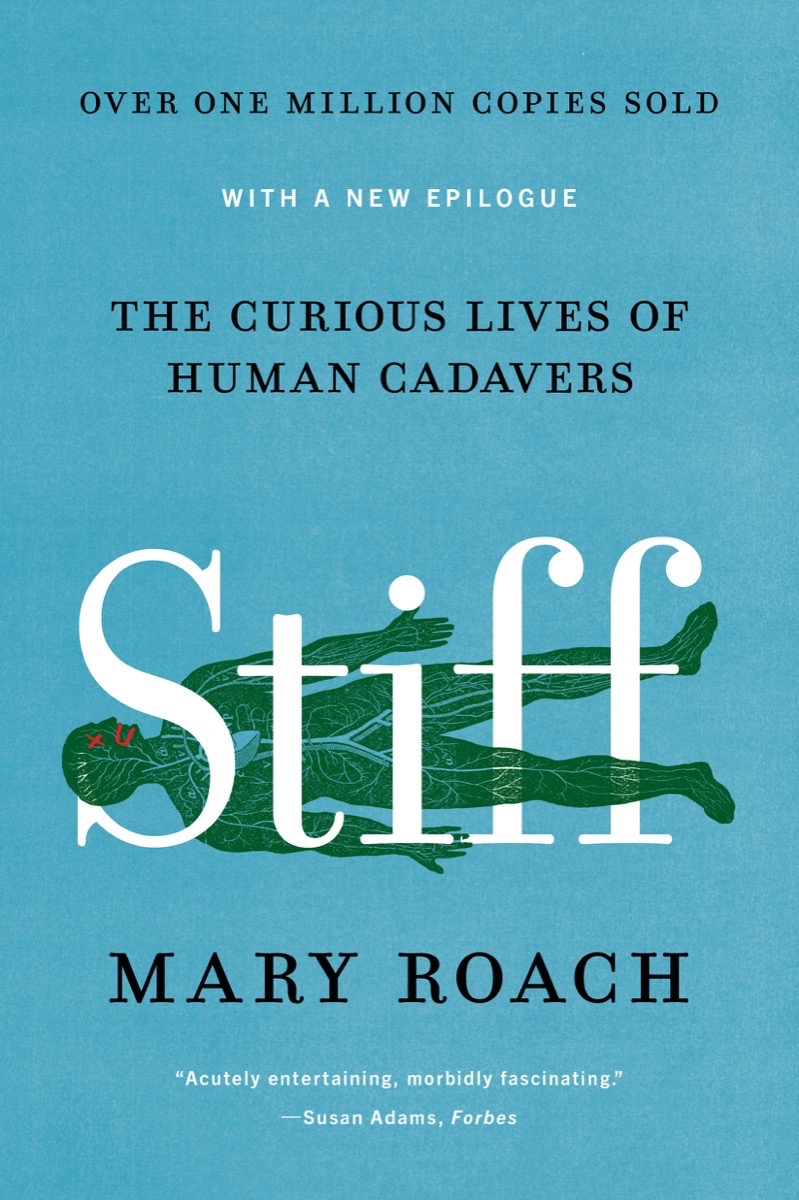
The way Mary Roach sees it, being dead is not terribly far off from being on a cruise ship. Most of your time is spent lying on your back. The brain has shut down. The flesh begins to soften. Nothing much new happens, and nothing is expected of you. It's a strange way to open a book about corpses, but Roach isn't interested in the standard approach. She's here to reframe death as something useful, even remarkable.
Her central argument lands in the first few pages: cadavers are the unsung heroes of modern science. For every surgical procedure ever developed—heart transplants, gender reassignment surgery, face transplants—cadavers have been there alongside the surgeons, making history in their own quiet, sundered way. They've withstood falls from tall buildings, head on car crashes, bullets, bombs, and fire. Roach calls them superheroes, and she means it. They don't endure these things, she clarifies. They simply offer their bodies up, and in doing so, they've saved countless living people.
But Roach is careful to draw a line. She knows that a cadaver is not just an object. It was recently a person. This distinction becomes painfully clear when she describes her own mother's death. Her mother was gone, Roach writes, and the cadaver was her hull. Yet emotionally, she could not separate the two. She would not want to watch researchers work on her mother's body, not because she thinks the work is disrespectful or wrong, but because the emotional entanglement is too strong. That tension—between the useful dead body and the beloved person it once was—runs through every chapter of the book.
Roach is aware that writing a book about dead bodies raises eyebrows. It's a conversation curveball, she admits. A full size book about corpses plants a red flag on your character. People
The way Mary Roach sees it, being dead is not terribly far off from being on a cruise ship. Most of your time is spent lying on your back. The brain has shut down. The flesh begins to soften. Nothing much new happens, and nothing is expected of you. It's a strange way to open a book about corpses, but Roach isn't interested in the standard approach. She's here to reframe death as something useful, even remarkable.
Her central argument lands in the first few pages: cadavers are the unsung heroes of modern science. For every surgical procedure ever developed—heart transplants, gender reassignment surgery, face transplants—cadavers have been there alongside the surgeons, making history in their own quiet, sundered way. They've withstood falls from tall buildings, head-on car crashes, bullets, bombs, and fire. Roach calls them superheroes, and she means it. They don't endure these things, she clarifies. They simply offer their bodies up, and in doing so, they've saved countless living people.
But Roach is careful to draw a line. She knows that a cadaver is not just an object. It was recently a person. This distinction becomes painfully clear when she describes her own mother's death. Her mother was gone, Roach writes, and the cadaver was her hull. Yet emotionally, she could not separate the two. She would not want to watch researchers work on her mother's body, not because she thinks the work is disrespectful or wrong, but because the emotional entanglement is too strong. That tension—between the useful dead body and the beloved person it once was—runs through every chapter of the book.
Roach is aware that writing a book about dead bodies raises eyebrows. It's a conversation curveball, she admits. A full-size book about corpses plants a red flag on your character. People wonder what's wrong with you. Her defense is simple: she's curious. She finds the subject fascinating, and she's not alone. The people who work with cadavers—morticians, surgeons, embalmers, forensic anthropologists—live in a strange world most of us avoid thinking about. Roach wants to pull back the curtain.
The book will take readers into anatomy labs where severed heads lie on lavender sheets. It will visit a research facility where bodies are left to decay in the open air. It will sit in on car crash simulations where metal pistons slam into donated corpses. It will explore the history of body snatching, the science of decomposition, and the ethics of military testing. Roach brings her own reactions along for the ride—her discomfort, her fascination, her dark humor. She doesn't pretend to be an impartial observer.
What makes this approach work is Roach's voice. She writes like she's telling you a story over coffee, not lecturing from a podium. When she describes the smell of a decomposing body, she calls it "dense and cloying, sweet but not flower-sweet." When she watches a surgeon practice on a severed head, she notes the lavender sheets underneath and wonders why anyone would need a soothing color in a room full of body parts. The humor disarms you, makes the gruesome material bearable, and then sneaks in the serious point: this work matters.
The book is structured as a series of investigations, each chapter exploring a different way cadavers have been used. Roach travels to labs and research facilities across the country, interviewing the people who spend their careers with the dead. She also digs into history, uncovering the shameful origins of anatomy—the grave robbing, the body snatching, the dissection of executed criminals. Modern medicine, she shows, was built on a foundation of illegality and taboo.
But Roach isn't interested in shock value for its own sake. She wants to make a case for the dead as a resource. If you donate your body to science, she argues, you shouldn't let images of dissection or dismemberment put you off. They're no more gruesome than ordinary decay or the sewing shut of your jaws via your nostrils for a funeral viewing. The dead can teach us, save us, improve our lives. That's a gift worth considering.
Her mother's death taught her something else too. You are a person, and then you cease to be a person, and a cadaver takes your place. The line is clear in theory, but in practice, it's almost impossible to hold. Roach doesn't try to erase that difficulty. She lives in it, and she invites her readers to do the same.
So what happens when you look death in the face, not with fear, but with curiosity? What do you find when you follow the dead into the labs and morgues and research facilities where they continue to serve the living?
Who Should Listen?
Medical students and healthcare professionals curious about the unvarnished history and ethics of cadaver-based training.
Science enthusiasts who enjoy dark humor and want to understand the real-world impact of body donation on car safety, forensics, and surgery.
Anyone considering donating their body to science and seeking an honest, entertaining look at what that actually means.
Readers fascinated by taboo topics like decomposition, cannibalism, and death rituals who appreciate a journalist's investigative approach.