
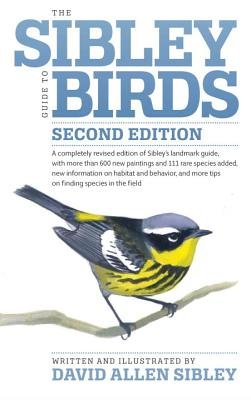
“The definitive visual taxonomy for North American birds, marrying scientific precision with artistic mastery for unparalleled field identification.”
Key Takeaways
- 1Prioritize comparative plumage analysis across life stages. Juvenile, breeding, and non-breeding plumages are meticulously illustrated, enabling accurate identification regardless of season or age.
- 2Decode identification through flight silhouettes and posture. Distinctive profiles and wing shapes in flight are rendered to distinguish similar species when color alone is insufficient.
- 3Integrate geographic range maps with behavioral cues. Updated maps for migration, breeding, and wintering ranges are paired with habitat and voice descriptions for contextual identification.
- 4Leverage side-by-side comparisons of confusing species pairs. Direct visual juxtapositions highlight subtle differences in markings, structure, and color for warblers, sparrows, and shorebirds.
- 5Understand taxonomic order based on current evolutionary science. Species sequencing reflects modern cladistics, organizing birds by genetic relationships rather than superficial similarity.
- 6Study regional variations and rare vagrants comprehensively. Expanded coverage includes subspecies differentiation and accidental species, preparing birders for unexpected sightings.
Description
David Allen Sibley’s second edition is not merely an update but a comprehensive re-envisioning of the North American bird guide. It consolidates over a decade of ornithological advances, taxonomic revisions, and the author’s own refined observations into a single, authoritative volume. The work stands as a monumental synthesis of art and science, designed to serve as the ultimate reference for identification.
Its core methodology relies on Sibley’s distinctive paintings—now digitally remastered and enlarged—which depict each species across multiple plumages, angles, and behavioral contexts. The guide systematically presents comparative views, flight silhouettes, and range maps alongside concise textual notes on voice, habitat, and key field marks. This edition significantly expands its scope, adding hundreds of new illustrations, covering over 115 rare species, and refining the depictions of regional populations to capture nuanced geographic variation.
The book’s structure facilitates rapid comparison, grouping similar species and employing a clean layout that prioritizes visual information. While its substantial physical form and wealth of detail position it as a primary reference rather than a pocket field guide, its intellectual rigor and illustrative clarity set the modern standard. It is an indispensable resource for anyone seeking to move beyond casual recognition into a deeper understanding of avian diversity and identification challenges across the continent.
Community Verdict
The birding community recognizes this edition as an essential, encyclopedic reference, yet a significant contingent expresses profound frustration with its execution. The consensus praises the expanded content, updated taxonomy, and the invaluable comparative illustrations that remain Sibley's hallmark. However, a persistent and vocal criticism centers on production quality, particularly in early printings. The text font is widely condemned as too small and faint, creating a substantial accessibility barrier, especially for older readers. Many illustrations are criticized for overly dark, saturated colors that obscure critical plumage details, with specific species like the Scarlet Tanager and various warblers cited as egregious examples.
This divide creates a paradoxical verdict: the guide is simultaneously hailed as the pinnacle of ornithological reference work and faulted for fundamental failures in readability and color accuracy. The subsequent correction of these issues in later printings is a major point of discussion, with users urging careful attention to the printing date when purchasing. The book’s substantial size and weight are noted, firmly cementing its role as a home or car reference rather than a field companion.
Hot Topics
- 1Widespread criticism of illegibly small and faint gray text font, creating significant accessibility issues for readers.
- 2Persistent debate over overly dark and inaccurate color reproduction in many illustrations, obscuring key identification details.
- 3The critical importance of distinguishing between flawed early printings and corrected later printings of the second edition.
- 4The guide's substantial size and weight, rendering it a reference volume rather than a practical field guide.
- 5Appreciation for the expanded species coverage, updated range maps, and refined comparative plates.
- 6Frustration with the revised taxonomic order that separates traditionally grouped families, complicating navigation for experienced users.
Related Matches





Popular Books
The Body Keeps the Score: Brain, Mind, and Body in the Healing of Trauma
Bessel A. van der Kolk
Our Magnificent Bastard Tongue
John McWhorter

Last Stand of Dead Men (Skulduggery Pleasant, #8)
Derek Landy
100 Days to Brave: Devotions for Unlocking Your Most Courageous Self
Annie F. Downs

One Direction: Who We Are: Our Official Autobiography
One Direction
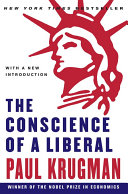
The Conscience of a Liberal
Paul Krugman

The Complete Maus: A Survivor's Tale (Maus, #1-2)
Art Spiegelman

O. Winston Link: Life Along the Line: A Photographic Portrait of America's Last Great Steam Railroad
Tony Reevy, O. Winston Link, Conway Link, Scott Lothes
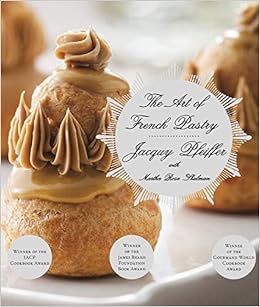
The Art of French Pastry
Jacquy Pfeiffer, Martha Rose Shulman
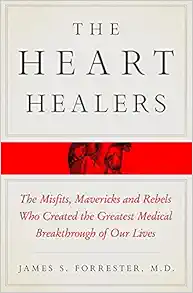
The Heart Healers: The Misfits, Mavericks, and Rebels Who Created the Greatest Medical Breakthrough of Our Lives
James S. Forrester
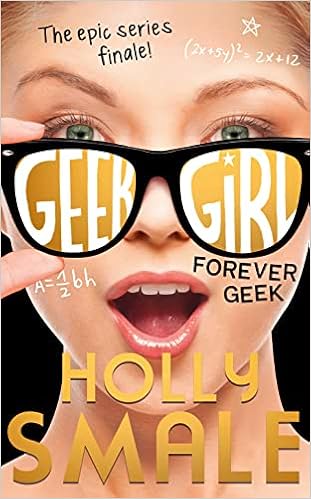
Forever Geek (Geek Girl, #6)
Holly Smale
The Information Diet
Clay Johnson
Browse by Genres
History
Business
Leadership
Marketing
Management
Innovation
Economics
Productivity
Psychology
Mindset
Communication
Philosophy
Biography
Science
Technology
Society
Health
Parenting
Self-Help
Wealth
Investment
Relationship
Startups
Sales
Money
Fitness
Nutrition
Sleep
Wellness
Spirituality
AI
Future
Nature
Politics
Classics
Sci-Fiction
Fantasy
Thriller
Mystery
Romance
Literary
Historical
Religion
Law
Crime
Arts
Habits
Creativity