
Premium
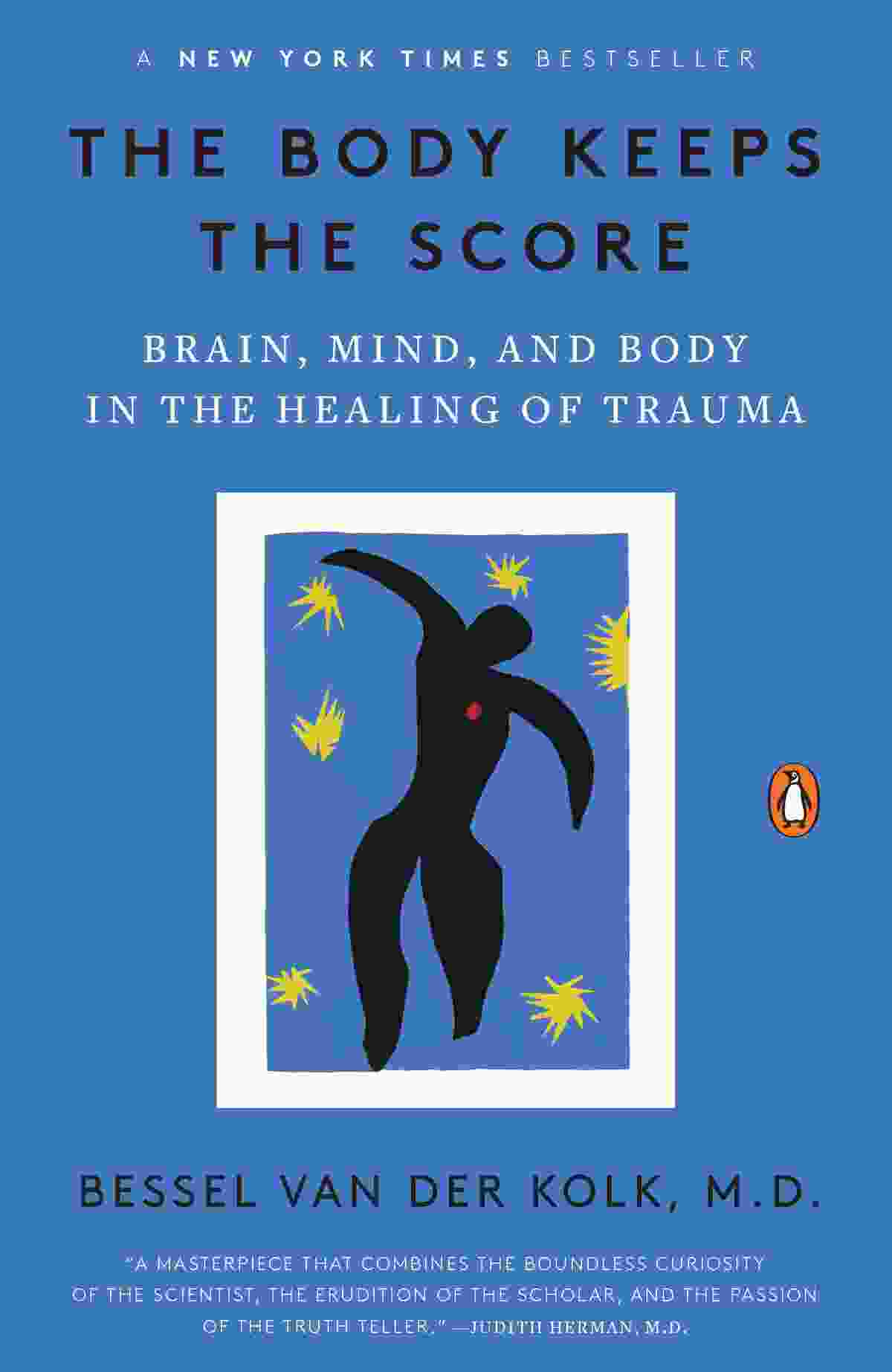
The Body Keeps the Score: Brain, Mind, and Body in the Healing of Trauma
by Bessel A. van der Kolk
“Trauma rewires the brain, but innovative somatic therapies can restore the self by unlocking the body's innate capacity to heal.”
Key Takeaways
- 1Trauma is a physiological, not just a psychological, injury. Traumatic stress fundamentally alters brain structure and function, particularly in areas governing safety, trust, and pleasure. The body's stress response becomes dysregulated, trapping the survivor in a persistent state of threat.
- 2The rational brain often fails to override the emotional brain. Talk therapy alone can be insufficient because trauma bypasses higher cognitive functions. The imprint is held in the autonomic nervous system and visceral sensations, requiring access through non-verbal pathways.
- 3Healing requires re-establishing a sense of safety in the body. Effective treatment must first address the physiological hyperarousal and dissociation. Techniques like yoga, mindfulness, and rhythmic movement help regulate the nervous system, creating a foundation for psychological work.
- 4Integrate bottom-up and top-down therapeutic approaches. True recovery combines somatic, body-focused therapies (bottom-up) with cognitive and narrative processing (top-down). This dual pathway allows for the integration of fragmented traumatic memories into a coherent life story.
- 5Community, rhythm, and play are essential neurobiological interventions. Trauma isolates; healing reconnects. Group therapies, theater, dance, and synchronized activities rebuild the capacity for trust and joy by engaging the brain's social engagement systems.
- 6Move beyond symptom suppression to address root causes. Traditional psychiatric models often medicate symptoms like anxiety or depression. A trauma-informed model seeks to resolve the underlying dysregulated stress response, offering a path to genuine transformation.
Description
Bessel van der Kolk’s seminal work dismantles the century-old Cartesian divide between mind and body, presenting trauma not as a disorder of thought, but as a fundamental rupture in the body’s physiological equilibrium. Drawing on three decades of clinical research, from the nightmares of Vietnam veterans to the silent suffering of abused children, the book establishes trauma as a public health crisis of staggering proportions. It meticulously documents how overwhelming experiences become etched into the very architecture of the brain, hijacking the limbic system and trapping survivors in a perpetual present of fear, numbness, or rage.
Van der Kolk charts the neurobiological aftermath, showing how trauma impairs the brain regions responsible for filtering relevance, managing emotion, and crafting a coherent self-narrative. The hippocampus shrinks, muddying the distinction between past and present; the amygdala remains on high alert; and the prefrontal cortex goes offline, crippling executive function. This is not a moral failing or a cognitive distortion—it is a structural injury. The book systematically critiques the limitations of conventional talk therapies and pharmaceutical interventions that often merely silence symptoms without addressing the somatic core of the wound.
The narrative then pivots to the frontier of healing, exploring a suite of innovative treatments that work from the body upward. Van der Kolk details the promising science behind neurofeedback, which allows patients to directly retrain dysregulated brainwaves, and EMDR (Eye Movement Desensitization and Reprocessing), which appears to unlock and reprocess frozen memories. He advocates for somatic therapies like Peter Levine’s Somatic Experiencing, yoga to recalibrate the autonomic nervous system, and theater or group rhythms to rebuild shattered capacities for trust and communal joy.
Ultimately, *The Body Keeps the Score* is more than a clinical manual; it is a profound reclamation of humanity for those who have been shattered. It argues for a paradigm shift in psychiatry, psychology, and medicine at large, insisting that healing must engage the entire organism. Its legacy is its rigorous yet compassionate blueprint for integration—offering survivors not just management of their pain, but a tangible pathway back to ownership of their bodies, their minds, and their lives.
Community Verdict
The critical consensus positions this work as a transformative, essential text, often described as life-changing for both trauma survivors and clinicians. Readers praise its revelatory synthesis of neuroscience and compassionate insight, which provides a validating framework for misunderstood suffering. The primary critique is its dense, occasionally graphic clinical content, which some find challenging to absorb emotionally. Its accessibility is hailed for a professional audience, while lay readers note it demands—and rewards—patient engagement.
Hot Topics
- 1The book's validation of somatic, body-based therapies over traditional talk-only approaches, challenging mainstream psychiatric models.
- 2The emotional difficulty of reading detailed case studies of trauma, balancing necessary insight with potential re-triggering.
- 3Its role as a foundational text for therapists seeking to integrate trauma-informed practices into their clinical work.








Popular Books

Last Stand of Dead Men (Skulduggery Pleasant, #8)
Derek Landy

Holy Bible: The Narrated Bible NIV
Anonymous

Puppy Money - Kira and a Dog named Money
Bodo Schäfer

The Art of French Pastry
Jacquy Pfeiffer, Martha Rose Shulman

A Gospel Primer for Christians: Learning to See the Glories of God's Love
Milton Vincent
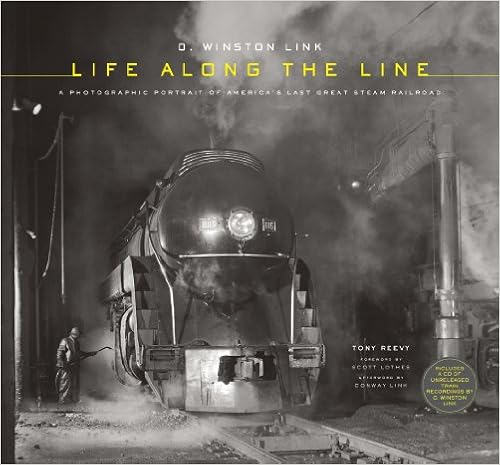
O. Winston Link: Life Along the Line: A Photographic Portrait of America's Last Great Steam Railroad
Tony Reevy, O. Winston Link, Conway Link, Scott Lothes

War Songs: Metaphors In Clay And Poetry From The Vietnam Experience
Grady Harp
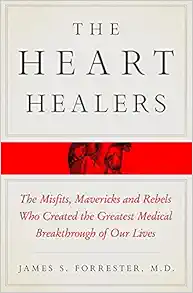
The Heart Healers: The Misfits, Mavericks, and Rebels Who Created the Greatest Medical Breakthrough of Our Lives
James S. Forrester

The Complete Maus: A Survivor's Tale (Maus, #1-2)
Art Spiegelman

A Court of Mist and Fury (A Court of Thorns and Roses, #2)
Sarah J. Maas
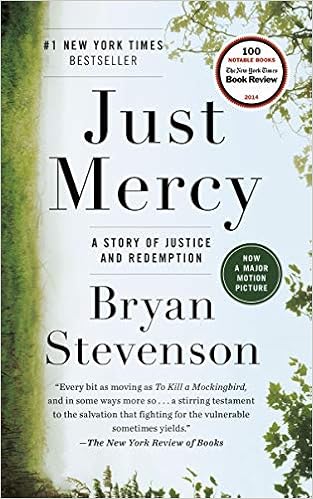
Just Mercy: A Story of Justice and Redemption
Bryan Stevenson
Walking with God through Pain and Suffering
Timothy J. Keller
Browse by Genres
History
Business
Leadership
Marketing
Management
Innovation
Economics
Productivity
Psychology
Mindset
Communication
Philosophy
Biography
Science
Technology
Society
Health
Parenting
Self-Help
Wealth
Investment
Relationship
Startups
Sales
Money
Fitness
Nutrition
Sleep
Wellness
Spirituality
AI
Future
Nature
Politics
Classics
Sci-Fiction
Fantasy
Thriller
Mystery
Romance
Literary
Historical
Religion
Law
Crime
Arts
Habits
Creativity