
Premium
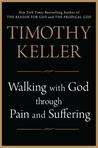
Walking with God through Pain and Suffering
by Timothy J. Keller
“A theological and pastoral framework for finding meaning and divine companionship within the furnace of human suffering.”
Key Takeaways
- 1Suffering demands meaning, not just explanation. The human spirit cannot endure pain perceived as random; Christianity provides a narrative where suffering is purposeful and redemptive.
- 2Reject simplistic defenses of God's goodness. The classic 'free will' defense is insufficient; a robust theology must engage with the uneven distribution and intensity of pain.
- 3God's sovereignty is compatible with human suffering. The doctrine of divine sovereignty, understood as compatibilism, allows for God's ultimate control alongside genuine human experience of pain.
- 4The Cross is the definitive lens for interpreting pain. God's own suffering in Christ transforms agony from a philosophical problem into a path for intimate fellowship with the divine.
- 5Cultivate a posture of trust before crisis strikes. Enduring suffering well requires spiritual and intellectual preparation, building a foundation of trust that can weather the storm.
- 6Navigate between despair and denial in grief. Authentic faith permits lament and questioning while guarding against becoming complicit in one's own misery.
- 7Personalize spiritual resources for your specific pain. The Bible offers a diverse toolkit—weeping, praying, thinking, thanking—that must be selectively applied to one's unique circumstances.
Description
Timothy Keller confronts the most persistent and agonizing human question—the problem of evil and suffering—by constructing a comprehensive Christian response that is at once intellectual, pastoral, and deeply rooted in scripture. The book moves beyond abstract theodicy to offer a practical theology for walking through life's most devastating trials.
Part One establishes the cultural and philosophical landscape, examining how different worldviews, from secularism to other religious traditions, attempt to assign meaning to pain. Keller argues that the modern secular framework, which often views suffering as purely meaningless, is uniquely ill-equipped to provide solace or endurance. He then dismantles the simplistic 'free will' defense, demonstrating its philosophical inadequacy for addressing the full scope and randomness of human agony.
Part Two delves into the core theological foundations, presenting the sovereignty of God not as a cold doctrine but as the bedrock for hope. The suffering of God in Christ is presented as the pivotal answer, transforming pain from a barrier to faith into a potential gateway for deeper communion. Keller explores the varieties of suffering and the reasons God may permit it, emphasizing that divine purposes often remain inscrutable to human understanding.
Finally, Part Three shifts to intensely practical guidance, outlining how to live within the furnace. This is not a technique but an orientation, detailing how to weep, trust, pray, think, thank, love, and hope through sustained adversity. The book concludes that the Christian narrative alone provides a framework where suffering can be faced without despair, endured with dignity, and ultimately woven into a story of redemption.
Community Verdict
The critical consensus positions this as a definitive, intellectually rigorous, and profoundly comforting work on the subject. Readers praise its comprehensive structure, which moves seamlessly from cultural analysis and philosophical argument to deeply personal, pastoral application. Keller’s ability to reframe ancient theological concepts with fresh clarity and his refusal to offer platitudes are repeatedly highlighted as the book’s greatest strengths.
While universally admired for its depth, some find the initial philosophical sections dense, with a minority noting that the prose can occasionally feel verbose. A significant point of engagement and critique centers on the application of Keller’s framework—specifically, whether it adequately addresses the suffering of innocents beyond the primary sufferer, such as Job’s children. The work is celebrated for validating lament while steering believers toward active trust, making it a resource for both immediate crisis and long-term theological formation.
Hot Topics
- 1The adequacy of Keller's critique and move beyond the traditional 'free will defense' for explaining evil and suffering.
- 2The pastoral practicality of the final section versus the philosophical density of the opening chapters on culture and theodicy.
- 3Whether the book's framework adequately addresses the suffering of secondary victims, such as Job's children in the biblical account.
- 4The effectiveness of using the Crucifixion as the central lens for interpreting personal pain and divine solidarity.
- 5Keller's integration of diverse sources, from classical philosophers to modern cultural critics, to build his case.
- 6The balance between granting permission for lament and guiding the sufferer toward active trust and hope.
Related Matches







Popular Books

War Songs: Metaphors In Clay And Poetry From The Vietnam Experience
Grady Harp
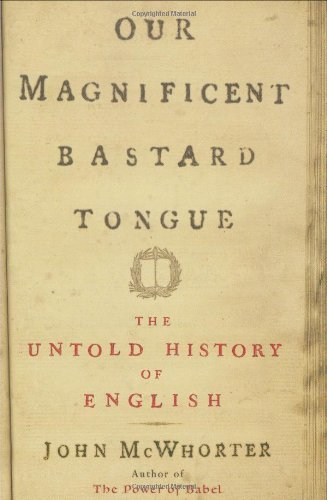
Our Magnificent Bastard Tongue
John McWhorter

Forever Geek (Geek Girl, #6)
Holly Smale
The Conscience of a Liberal
Paul Krugman
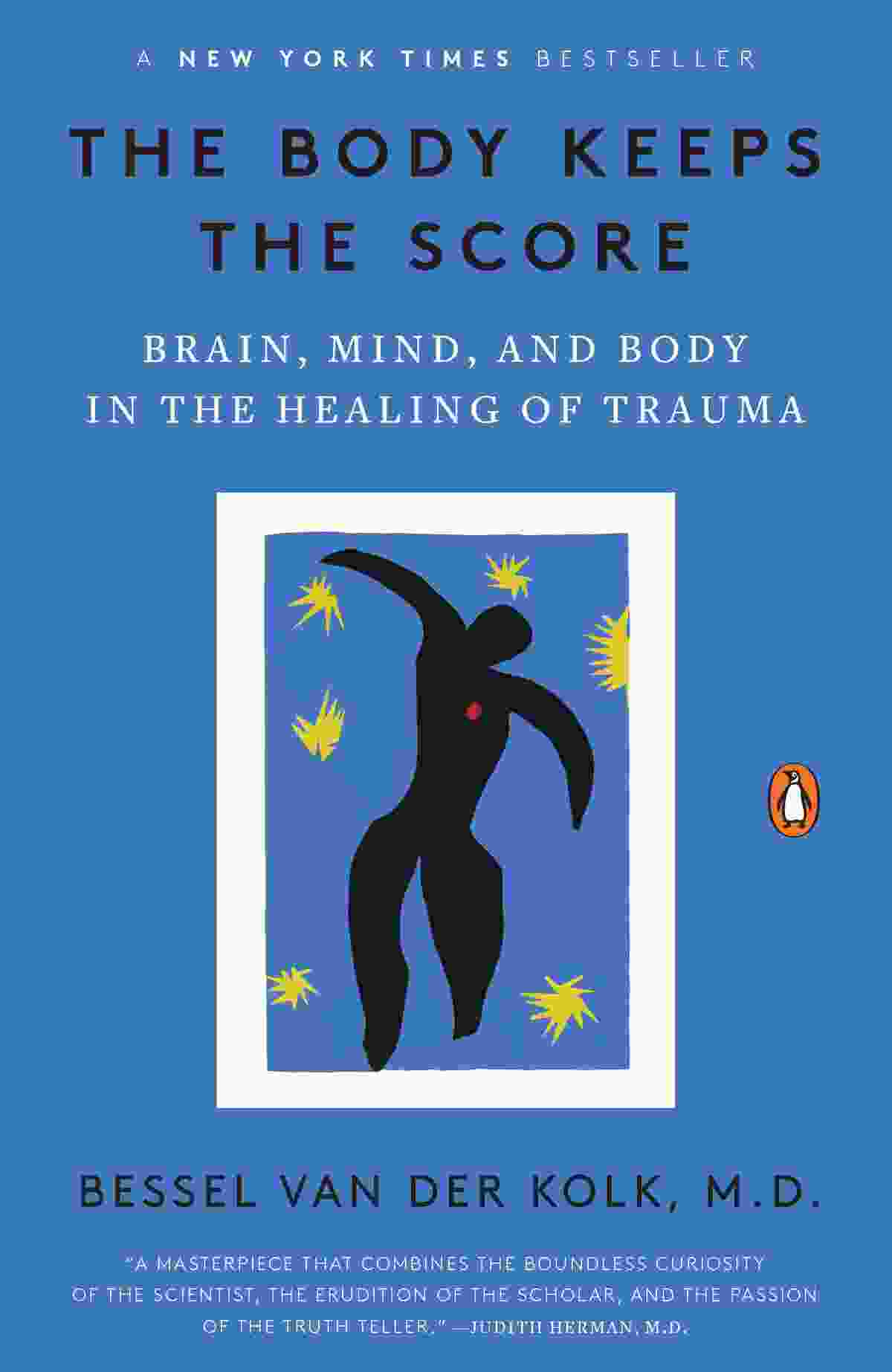
The Body Keeps the Score: Brain, Mind, and Body in the Healing of Trauma
Bessel A. van der Kolk
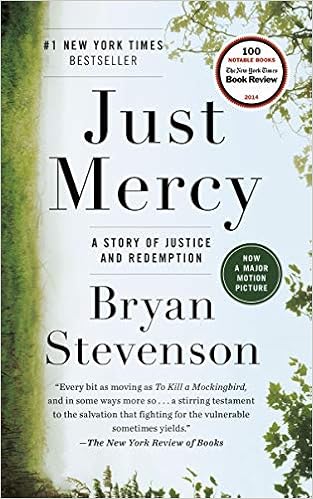
Just Mercy: A Story of Justice and Redemption
Bryan Stevenson

The Complete Maus: A Survivor's Tale (Maus, #1-2)
Art Spiegelman
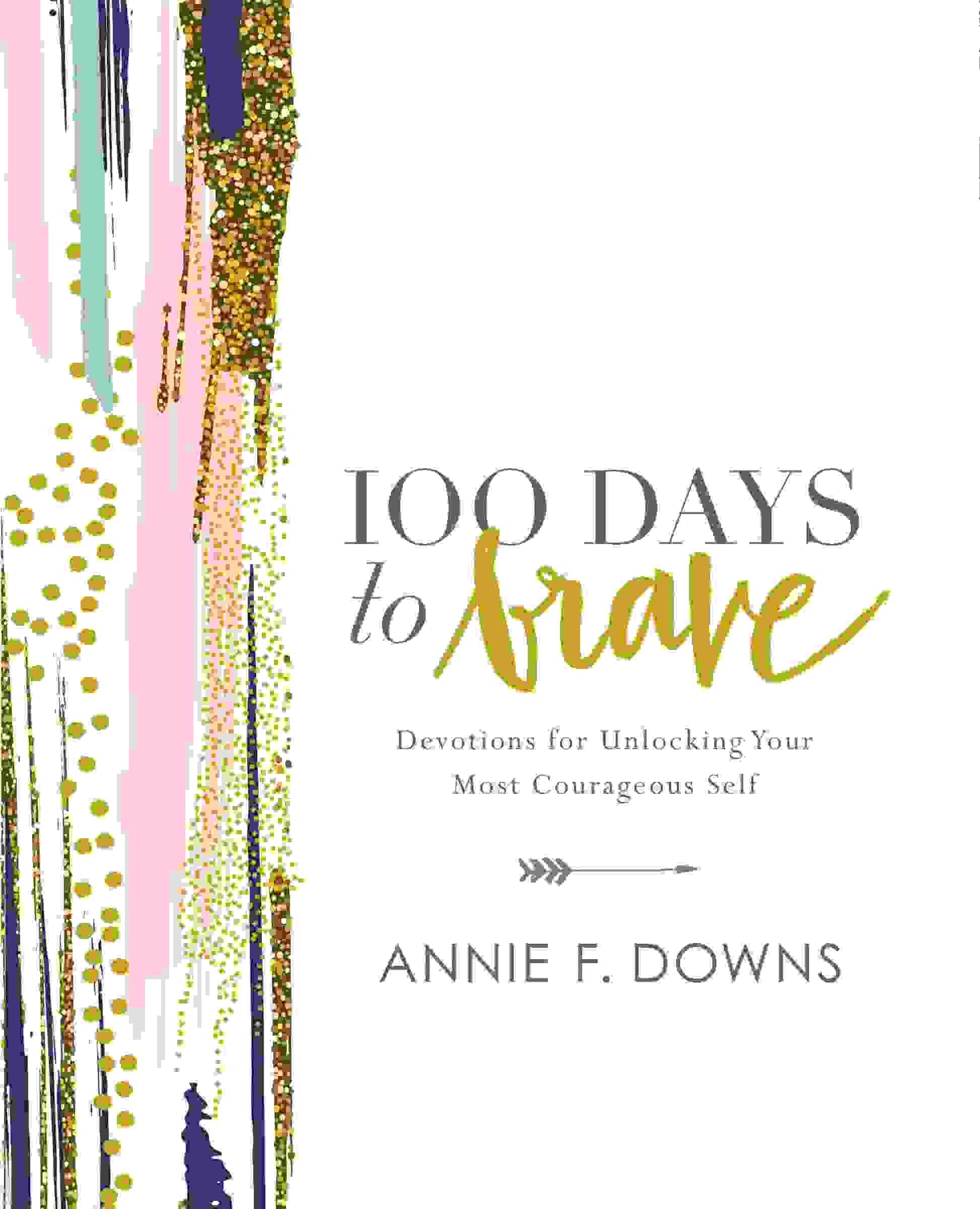
100 Days to Brave: Devotions for Unlocking Your Most Courageous Self
Annie F. Downs

The Legend of Zelda: Hyrule Historia
Nintendo, Everett Patterson, Shigeru Miyamoto

O. Winston Link: Life Along the Line: A Photographic Portrait of America's Last Great Steam Railroad
Tony Reevy, O. Winston Link, Conway Link, Scott Lothes
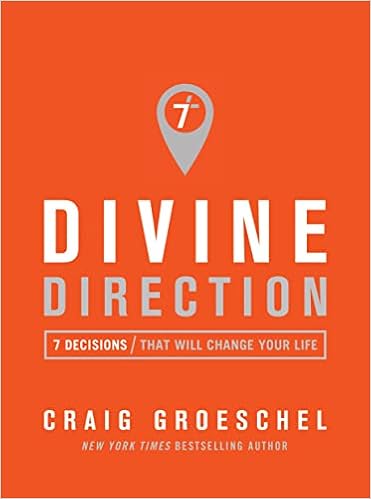
Divine Direction: 7 Decisions That Will Change Your Life
Craig Groeschel

Birds of Europe
Lars Svensson, Dan Zetterstrom, Killian Mullarney
Browse by Genres
History
Business
Leadership
Marketing
Management
Innovation
Economics
Productivity
Psychology
Mindset
Communication
Philosophy
Biography
Science
Technology
Society
Health
Parenting
Self-Help
Wealth
Investment
Relationship
Startups
Sales
Money
Fitness
Nutrition
Sleep
Wellness
Spirituality
AI
Future
Nature
Politics
Classics
Sci-Fiction
Fantasy
Thriller
Mystery
Romance
Literary
Historical
Religion
Law
Crime
Arts
Habits
Creativity