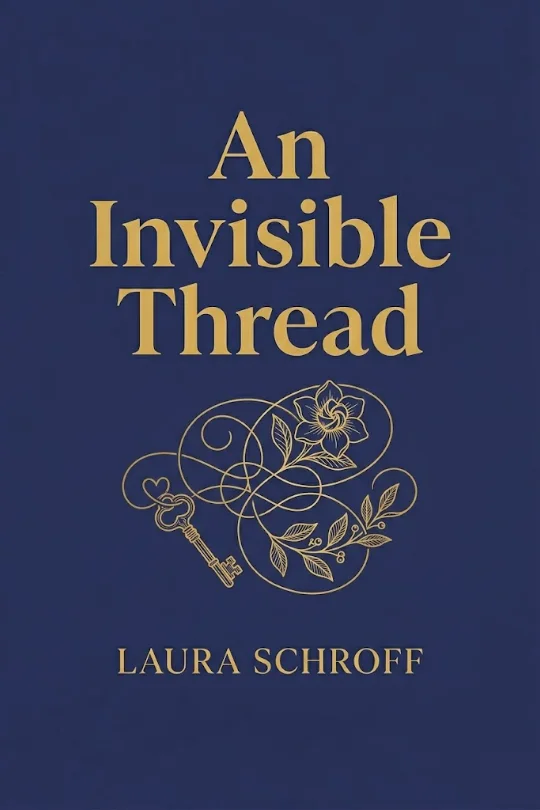
An Invisible Thread
The True Story of an 11-Year-Old Panhandler, a Busy Sales Executive, and an Unlikely Meeting with Destiny
Book Summaries
Hosts: Clara
Timeline
Summary Preview
It was 1986 in New York City, and Laura Schroff was running late. She was a 35-year-old advertising executive, climbing the corporate ladder at a major national publication. Her life was a blur of meetings, deadlines, and the constant motion that defined success in Manhattan. She had learned, like most New Yorkers, to tune out the city's chaos—especially the homeless people who lined the streets.
On this particular morning, a small voice called out to her. "Spare change? Spare change, miss?"
Laura kept walking. She had places to be. A schedule to keep. The voice belonged to a boy, but she didn't turn around. She'd learned to ignore these requests. It was part of surviving in the city.
But something stopped her. A few yards past the boy, she felt a tug—an invisible force she couldn't explain. She turned back to look. That's when she saw him clearly: an 11-year-old child, small for his age, wearing dirty sweatpants and holding out a cup. His name was Maurice.
That moment changed everything.
Laura walked back to him. Instead of giving him change, she offered him lunch. Maurice asked if he could have a Big Mac, fries, and a soda. Laura said yes, on one condition: she would join him. He agreed. That first meal was the beginning of over 150 shared lunches that would span decades.
This is the true story of *An Invisible Thread*, the memoir Laura Schroff co-wrote with Alex Tresniowski. The book's title comes from a metaphor Laura uses to describe the mysterious connection that drew her back to Maurice that day. She calls it an invisible thread—a force of fate that ties people together across time and circumstance.
At first glance, Laura and Maurice could not have been more different. Laura was a white, successful professional who had fought her way out of a difficult working-class upbringing. Maurice was a Black 11-year-old living in a welfare hotel, begging for money to survive. His mother was a heroin and crack addict. His grandmother had given him a marijuana joint as a birthday present when he was six. His uncles were drug dealers. He carried a stolen box cutter in his pocket for protection.
But Laura saw something in Maurice that others might have missed. She saw a child who needed someone to show up for him. And in Maurice, Laura found a purpose she hadn't known she was missing. Their friendship would test both of them in ways they never expected.
Over the years, Laura taught Maurice how to set a table, how to bake a cake, how to save money in a piggy bank. She attended parent-teacher conferences. She packed him lunches in brown paper bags with his name on them—a simple gesture that meant the world to a boy who had never felt like anyone cared enough to do that. Maurice, in turn, taught Laura about resilience, about the true meaning of family, and about the kind of love that doesn't require blood to be real.
Their bond would face tremendous strain. Laura fell in love with a man who didn't want children and who felt uncomfortable with Maurice in their lives. She made painful compromises, leaving Maurice out of holidays and her wedding. Maurice drifted away, dropping out of touch for years, struggling as a young father, nearly dying in a gunfight, losing his mother to AIDS. But the invisible thread held.
This summary will walk through their remarkable journey: from that first encounter on a New York street, through the lunches that became a lifeline, the painful separations, and the ultimate reunion that proved family isn't defined by blood but by choice.
What made Laura stop that day? She couldn't explain it then. She still can't fully explain it now. But she knew, even as she turned back, that something important was happening—something that would reshape both their lives forever.
What would have happened if she had kept walking?
About the Book
In 1986, ad executive Laura Schroff turned back for an 11-year-old panhandler named Maurice. That one decision sparked over 150 shared lunches and a decades-long bond that would transform both their lives. This true story explores how an invisible thread of fate connects two people from vastly different worlds, proving that family isn't defined by blood but by the choice to show up and stay.
Key Takeaways
The Invisible Thread Connects Us Beyond Reason
Some of the most profound connections in life cannot be explained by logic or circumstance—they are guided by an invisible force that pulls us toward people we are meant to know. Laura felt an inexplicable tug to turn back for Maurice, and that single moment of trust in the unseen reshaped both their lives forever.
Small Gestures Can Carry the Weight of the World
A brown paper bag with a name written on it, a homemade cake, or a shared meal can mean everything to someone who has never felt seen or cared for. Maurice measured love not in grand gestures but in the simple proof that someone remembered he existed.
Survival Teaches Us to Measure Love in Different Units
When you grow up in a world where a marijuana joint is a birthday gift and a mother's occasional presence is a blessing, you learn to accept crumbs as feasts. Maurice's ability to find love in broken places reveals that human resilience often depends on redefining what care looks like.
Healing Requires Choosing the Harder Love
Laura's painful decision to exclude Maurice from her wedding to please her husband shows that love often demands sacrifice—and that choosing romantic comfort over a chosen child can leave a wound that takes years to mend. True healing begins when we stop compromising the people who need us most.
The Dark Forest Is a Necessary Passage, Not an End
Maurice's years of silence, loss, and near-death were not a failure but a crucible—a dark forest he had to walk through alone to emerge as the man he was meant to become. Sometimes the people we love must disappear into their own struggles before they can return to us whole.
Family Is Not Defined by Blood but by Who Shows Up
Laura became Maurice's mother not through birth but through decades of showing up—packing lunches, attending parent-teacher conferences, and keeping a promise made to a teacher who knew children like Maurice are always disappointed. The family that lasts is the one built on choice, not obligation.
A Dream of a Big Table Can Rebuild a Broken Life
Maurice's vision of a large dining table where a family gathers in peace was not a fantasy but a blueprint for survival—a picture of normalcy that pulled him through poverty, addiction, and loss. When we can imagine a better future, we give ourselves a reason to build it.
The Greatest Gift We Can Give Is to Stay
In a world where everyone leaves, the person who stays becomes a miracle. Laura's unwavering presence through Maurice's darkest years—even when he pushed her away—proved that love is not a feeling but a commitment to remain when staying is hard.
Who Should Listen?
Readers who love heartwarming true stories about unlikely friendships and human connection.
Anyone who has ever wondered if a single act of kindness can change a life, including their own.
People who grew up in difficult circumstances and want to see a story of resilience and hope.
Those who believe in the power of chosen family and want to be inspired by a bond that defies all odds.