
Premium
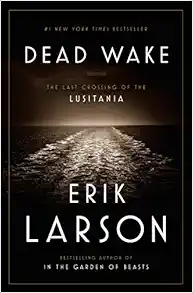
Dead Wake: The Last Crossing of the Lusitania
by Erik Larson
“A single torpedo, eighteen minutes, and a web of fatal decisions that reshaped a world at war.”
Key Takeaways
- 1Navigate the fog of war with clear-eyed skepticism. The disaster exposes the lethal gap between gentlemanly assumptions of warfare and the brutal, unrestricted reality of modern conflict.
- 2Understand that speed is a relative and deceptive shield. The Lusitania's celebrated velocity was neutered by corporate cost-cutting, rendering it vulnerable to a slower but stealthier predator.
- 3Recognize how intelligence, when hoarded, becomes a weapon against your own. Britain's Room 40, possessing precise U-boat tracking data, prioritized secrecy over warning the ship, a catastrophic failure of communication.
- 4See history as a convergence of minute, contingent events. The sinking resulted from a chain of small failures: a delayed departure, an open porthole, a final turn, any one of which could have altered fate.
- 5Interrogate the convenient narrative of a singular catalyst. The sinking did not immediately draw America into WWI; it was a profound moral shock that required two more years and further provocations.
- 6Beware the scapegoat in the aftermath of systemic failure. Captain Turner was unfairly vilified by an Admiralty seeking to obscure its own culpability in denying the ship protection and critical information.
Description
Erik Larson’s *Dead Wake* reconstructs the final voyage of the RMS Lusitania not as a foregone conclusion, but as a tense, avoidable collision of human decisions and technological ambition. The narrative unfolds against the grim backdrop of the First World War’s tenth month, where Germany’s declaration of unrestricted submarine warfare had turned the North Atlantic into a hunting ground. The Lusitania, a marvel of Edwardian engineering and luxury, sailed from New York in May 1915 under the command of Captain William Thomas Turner, a man steeped in an older maritime code that presumed civilian ships would be spared.
Larson meticulously builds parallel narratives, shifting between the opulent, socially intricate world aboard the liner and the claustrophobic, diesel-scented reality of *Unterseeboot-20*, commanded by the determined Kapitanleutnant Walther Schwieger. This structural choice creates a relentless suspense, even when the outcome is known. The book delves into the era’s political machinations, notably within the ultra-secret British intelligence unit known as Room 40, which tracked U-20’s progress with chilling accuracy but, bound by protocols of secrecy, failed to act decisively to warn or protect the Lusitania.
The core of the narrative examines the myriad ‘what-ifs’—the corporate decision to run on three boilers instead of four, reducing speed; the Admiralty’s failure to provide a promised naval escort; the last-minute course correction—that aligned with lethal precision. Larson populates the ship with a vivid cast, from Boston bookseller Charles Lauriat to pioneering architect Theodate Pope, grounding the impending catastrophe in intimate human detail.
*Dead Wake* ultimately transcends the chronicle of a maritime disaster to become a meditation on a historical pivot point. It challenges the simplified schoolbook causality that links the sinking directly to American entry into the war, instead painting a more nuanced portrait of a tragedy that shook global conscience, exposed the callous calculus of total war, and left a legacy of profound questions about responsibility, both individual and institutional.
Community Verdict
The critical consensus celebrates Larson’s masterful synthesis of exhaustive research into a narrative of exceptional tension and novelistic drive. Readers are unanimously gripped by his ability to generate suspense around a known historical outcome, particularly through the cross-cut perspectives of the hunter U-boat and the hunted liner. The prose is praised for its clarity, evocative detail, and emotional resonance, especially in the harrowing, minute-by-minute account of the sinking itself.
However, a significant and recurring critique centers on the substantial digressions into President Woodrow Wilson’s protracted courtship of Edith Bolling Galt. While some find it a revealing portrait of a distracted leader, many deem it a narrative tangent that dilutes the core maritime and political drama, comparing it unfavorably to an unwelcome romantic subplot. Furthermore, some readers seeking deeper analytical heft find the treatment of enduring conspiracy theories—particularly whether the British Admiralty deliberately left the Lusitania exposed—to be somewhat glancing, leaving them desiring a more rigorous investigative conclusion rather than a presentation of compelling circumstantial evidence.
Hot Topics
- 1The narrative effectiveness and necessity of the extended subplot detailing President Woodrow Wilson's romantic life and personal grief during the crisis.
- 2Debate over whether British intelligence, specifically Room 40 and Winston Churchill, deliberately sacrificed the Lusitania to draw America into World War I.
- 3The vivid and harrowing descriptions of the sinking's eighteen-minute chaos and the personal fates of specific passengers.
- 4Larson's skillful building of suspense despite the known historical outcome, through alternating perspectives between the liner and the U-boat.
- 5The exoneration of Captain William Turner and the portrayal of him as a scapegoat for broader institutional and Admiralty failures.
- 6The detailed and immersive portrayal of life aboard a WWI-era German U-boat, highlighting its technological limits and visceral discomfort.
Related Matches








Popular Books

Birds of Europe
Lars Svensson, Dan Zetterstrom, Killian Mullarney

Radio Silence
Alice Oseman
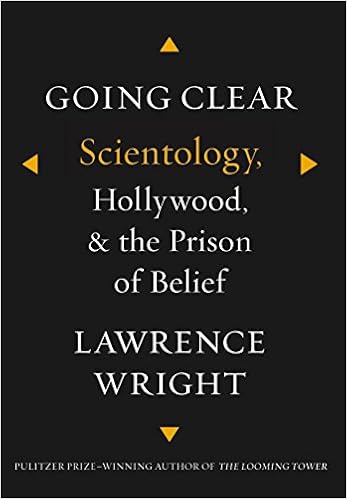
Going Clear: Scientology, Hollywood, and the Prison of Belief
Lawrence Wright

One Direction: Who We Are: Our Official Autobiography
One Direction

Tea Time for the Traditionally Built
Alexander McCall Smith

The Limpopo Academy of Private Detection
Alexander McCall Smith

The Sibley Guide to Birds; Second Edition, Revised and Enlarged
David Allen Sibley
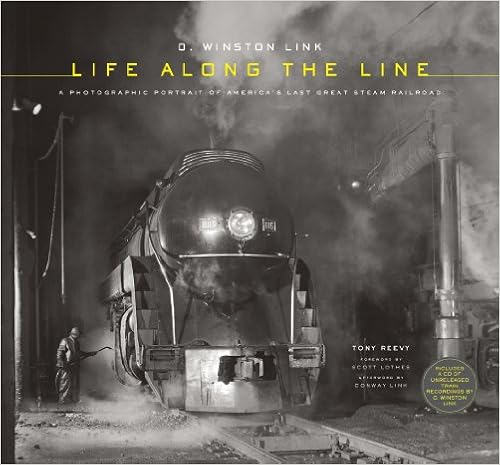
O. Winston Link: Life Along the Line: A Photographic Portrait of America's Last Great Steam Railroad
Tony Reevy, O. Winston Link, Conway Link, Scott Lothes

The War of Art: Break Through the Blocks & Win Your Inner Creative Battles
Steven Pressfield, Robert McKee
The Big Short: Inside the Doomsday Machine
Michael Lewis
The Lessons of History
Will Durant, Ariel Durant

The Campaigns of Napoleon
David G. Chandler
Browse by Genres
History
Business
Leadership
Marketing
Management
Innovation
Economics
Productivity
Psychology
Mindset
Communication
Philosophy
Biography
Science
Technology
Society
Health
Parenting
Self-Help
Wealth
Investment
Relationship
Startups
Sales
Money
Fitness
Nutrition
Sleep
Wellness
Spirituality
AI
Future
Nature
Politics
Classics
Sci-Fiction
Fantasy
Thriller
Mystery
Romance
Literary
Historical
Religion
Law
Crime
Arts
Habits
Creativity