
Good to Great
"A rigorous blueprint for transcending corporate mediocrity through disciplined people, focused strategy, and stoic leadership."
Nook Talks
- 1Cultivate Level 5 Leadership, which blends humility with fierce resolve. Truly great leaders channel ambition into the company, not themselves. They look out the window to attribute success to others, but look in the mirror to accept full responsibility for failures, creating a foundation of trust and sustained momentum.
- 2First get the right people on the bus, then decide where to drive. People are not your most important asset; the *right* people are. Before setting strategy, ensure you have disciplined, self-motivated individuals in key seats. With them, the problem of motivation and direction largely solves itself.
- 3Confront the brutal facts of your reality with unwavering faith. Sustainable greatness requires the Stockdale Paradox: retaining absolute faith that you will prevail in the end, while simultaneously confronting the most brutal, unvarnished facts of your current reality. Denial is the enemy of progress.
- 4Define your Hedgehog Concept through three intersecting circles. Breakthroughs come from simplicity. Find the intersection of what you can be best in the world at, what you are deeply passionate about, and what drives your economic engine. This becomes your singular, guiding focus.
- 5Build a culture of disciplined thought and action, not bureaucracy. Great results come from marrying an entrepreneurial ethic with a culture of discipline. This means people adhere with fanatical consistency to the Hedgehog Concept and stop doing anything that does not fit within it, creating freedom within a framework.
- 6Understand technology as an accelerator, not a creator, of momentum. Good-to-great companies avoid tech fads. They become pioneers in the application of carefully selected technologies only when those technologies directly serve their Hedgehog Concept, using them to accelerate already-existing momentum.
- 7Recognize the Flywheel effect over the Doom Loop of radical change. Transformation is not an event but a cumulative process of pushing a massive flywheel in a consistent direction. Breakthrough follows buildup. Hype-driven revolutions, dramatic coups, and constant restructuring signal a doomed search for a silver bullet.
Jim Collins’s "Good to Great" addresses a deceptively simple question: can a mediocre company become truly exceptional, and if so, how? This is not a study of inherently great enterprises but of transformations—the specific, identifiable moment when a company definitively breaks from the pack to deliver sustained, market-beating performance. To find answers, Collins and his research team embarked on a rigorous, multi-year comparative analysis, sifting through decades of data to identify eleven companies that made a definitive leap from good to great and sustained it for fifteen years, then meticulously contrasting them with peers that failed to make the same transition.
The book’s core argument dismantles several cherished business myths. Greatness, it finds, does not stem from a charismatic, celebrity CEO but from what Collins terms "Level 5 Leadership"—a paradoxical blend of personal humility and professional will. Strategy follows people; the critical first step is ensuring you have the right people in key positions before deciding on direction. The central strategic framework is the "Hedgehog Concept," a crystalline focus derived from the intersection of three circles: what you can be best in the world at, what you are deeply passionate about, and what drives your economic engine.
Execution is governed by a "culture of discipline," where freedom and responsibility operate within the strict confines of the Hedgehog Concept. Technology is approached not as a primary cause of greatness but as an accelerator of momentum already gained. The process of transformation is visualized as the steady, cumulative turning of a massive flywheel, where consistent effort in a coherent direction compounds into a breakthrough, starkly opposed to the "doom loop" of reactive, radical restructuring.
"Good to Great" endures as a foundational text in business literature precisely because its conclusions are counterintuitive and data-driven. It moves beyond the ephemeral trends of management to articulate timeless principles of organizational physics. Its audience extends beyond corporate executives to anyone leading a team or institution, offering a disciplined, evidence-based template for building something that not only works but excels over the long haul.
The consensus positions this as a seminal, paradigm-shifting work of business research, praised for its rigorous methodology and powerful, counterintuitive frameworks like Level 5 Leadership and the Hedgehog Concept. Readers credit it with providing a durable blueprint for organizational excellence. Criticisms focus on a perceived oversimplification of complex realities, a formulaic presentation, and questions about the longevity of some case-study companies post-publication. While some find its lessons universally applicable, others note its primary utility is for established organizations, not startups.
- 1The validity and real-world applicability of the 'Level 5 Leader' archetype versus the need for charismatic, visible leadership.
- 2Debate over the 'Hedgehog Concept' as a strategic master key versus an oversimplified model that ignores market dynamism.
- 3Analysis of the book's case studies in hindsight, noting which 'great' companies subsequently declined and what that means for the theory.
- 4The tension between the 'first who, then what' principle and the need for visionary direction to attract talent in the first place.
Bad Samaritans
Ha-Joon Chang

The Intelligent Investor
Benjamin Graham
The Psychology of Money: Timeless Lessons on Wealth, Greed, and Happiness
Morgan Housel
The Norwegian Method
Brad Culp
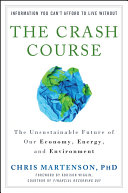
The Crash Course
Chris Martenson
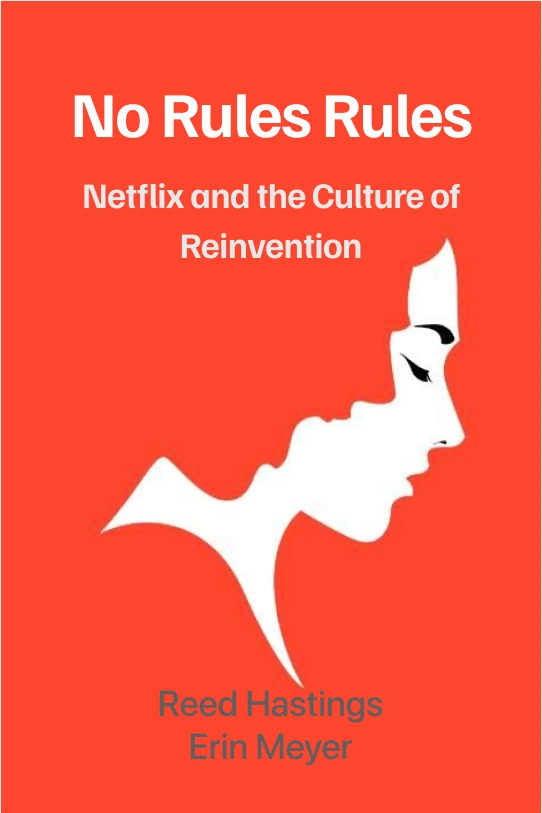
No Rules Rules: Netflix and the Culture of Reinvention
Reed Hastings, Erin Meyer

The Almanack of Naval Ravikant
Naval Ravikant, Eric Jorgenson

Permanent Record
Edward Snowden

Code: The Hidden Language of Computer Hardware and Software
Charles Petzold
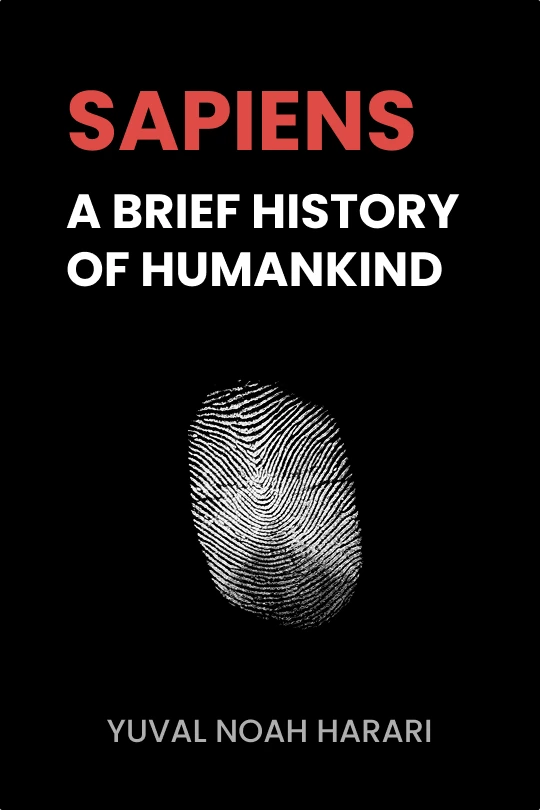
Sapiens: A Brief History of Humankind
Yuval Noah Harari
Stumbling on Happiness
Daniel Gilbert
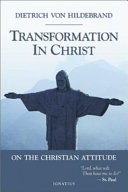
Transformation in Christ
Dietrich Von Hildebrand