
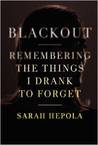
Blackout: Remembering the Things I Drank to Forget
"A fiercely honest excavation of the self, proving that true adventure begins when the bottle ends."
- 1Alcohol functions as a counterfeit passport to identity. Hepola dismantles the cultural myth that drinking equates to liberation, particularly for women. She reveals how alcohol became a crutch for confidence and creativity, masking a deeper void of self that sobriety would eventually force her to confront and fill.
- 2The blackout is a psychological and narrative rupture. The memoir frames blackouts not as mere memory loss, but as existential theft. These gaps become sites of profound shame and detective work, symbolizing the erasure of the authentic self that alcohol promises to create but systematically destroys.
- 3Sobriety is an act of radical self-reclamation. The journey is framed not as deprivation, but as the recovery of a buried person. True intimacy, creativity, and confidence—attributes once falsely credited to alcohol—are revealed to be native faculties that only emerge from clear-eyed presence.
- 4Female drunkenness carries a distinct cultural weight. Hepola interrogates the complicated space alcohol occupies for modern women, marketed as a tool of empowerment and sexual freedom, yet policed by societal judgment. Her story exposes the double bind of performing liberation through a substance that ultimately enslaves.
- 5Humor is a scalpel for dissecting shame. The memoir’s literary power derives from its unflinching, laugh-out-loud honesty. Hepola uses self-deprecating wit not to deflect, but to precisely illuminate the absurdities and horrors of addiction, making the painful journey both relatable and disarming.
Sarah Hepola’s 'Blackout' is a piercing memoir that maps the treacherous territory of female alcoholism in the 21st century, where drinking is often glamorized as a feminist birthright. Hepola reframes alcohol not as a social lubricant but as "the gasoline of all adventure," the essential fuel for a life she believed was bold, creative, and free. The book meticulously chronicles her descent into a world of cocktail parties and late-night bars, where the performance of a vibrant, enlightened woman increasingly depended on the very substance that was erasing her.
At the heart of the narrative lies the phenomenon of the blackout—those alarming stretches of complete amnesia that transformed mornings into forensic investigations. Hepola shines a light into these voids, detailing the shame, confusion, and frantic detective work required to piece together her own life. She portrays herself as a woman perpetually cleaning up after a malicious doppelgänger, apologizing for transgressions she cannot recall, all while publicly masking her terror with self-deprecating humor. This duality forms the memoir’s core tension: a publicly flourishing career juxtaposed against a private spirit being systematically drained.
The journey toward sobriety is rendered not as a sudden epiphany but as a grudging, stumbling confrontation with a sinking truth. Hepola charts the painful process of relinquishing the crutch she cherished, exposing the raw vulnerability and boredom of early recovery. Yet, in stripping away the alcohol, she begins the more profound work of excavating the person buried beneath decades of intoxication, discovering that the confidence and creativity she sought at the bottom of a glass were innate qualities all along.
'Blackout' transcends the addiction memoir genre by offering a specific cultural critique of women and drinking, while achieving a universal resonance about identity, memory, and the painful necessity of change. Its legacy is one of unblinking honesty and poignant humor, speaking to anyone who has ever been forced to reinvent themselves or struggled to give up the thing they believed defined them, only to find their true self waiting on the other side.
The critical consensus celebrates Hepola’s masterful voice—a blend of confessional vulnerability and incisive wit that proves utterly seductive. Readers are consistently disarmed by the book’s raw honesty and laugh-out-loud humor, which transforms a harrowing subject into a compulsively readable narrative. While some expected a voyeuristic trainwreck, they found instead a profound exploration of identity, memory, and female experience that resonates far beyond the specifics of addiction. The primary praise centers on the writing’s magnetic quality, its lack of vanity, and its unexpected ability to charm and engage even those with no personal connection to alcoholism.
- 1The surprising literary quality and humor of the prose, which elevates it beyond a standard addiction memoir into compelling narrative art.
- 2Hepola’s specific examination of female drinking culture and the double standards surrounding women and alcoholism.
- 3The relatable exploration of blackouts as psychological phenomena, sparking recognition even among non-addicts.
- 4Debates on the book’s accessibility and universal resonance versus its niche appeal to those with direct experience of addiction.
The Norwegian Method
Brad Culp

How to Win Friends & Influence People
Dale Carnegie
The Crash Course
Chris Martenson
Out of Control
Kevin Kelly
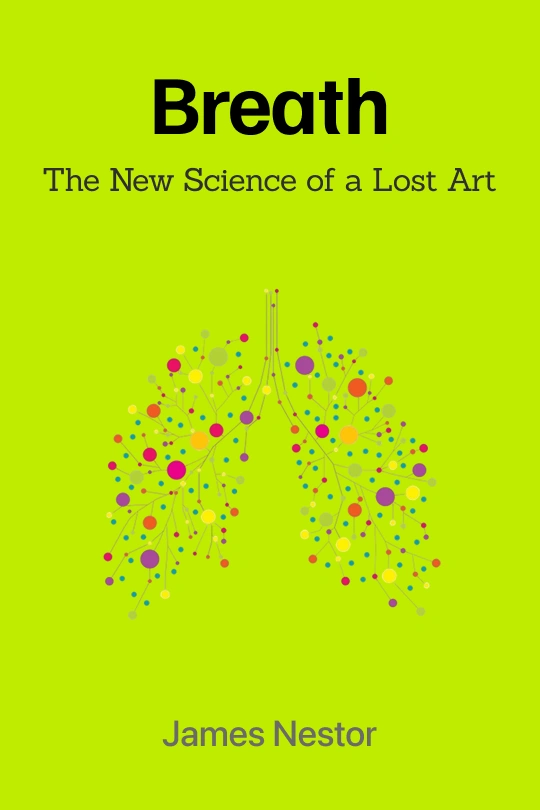
Breath: The New Science of a Lost Art
James Nestor

Just Listen: Discover the Secret to Getting Through to Absolutely Anyone
Mark Goulston

The Intelligent Investor
Benjamin Graham

Code: The Hidden Language of Computer Hardware and Software
Charles Petzold
The Book of Basketball: The NBA According to The Sports Guy
Bill Simmons

Bad Samaritans
Ha-Joon Chang

Permanent Record
Edward Snowden
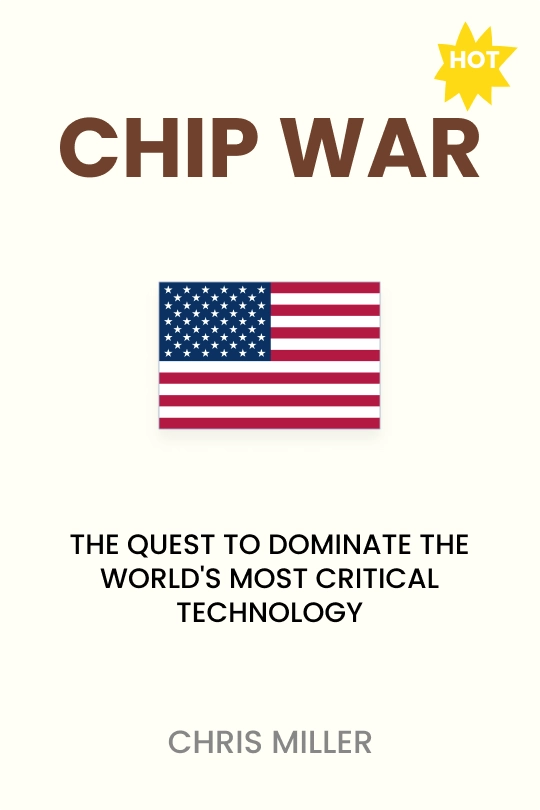
Chip War: The Quest to Dominate the World's Most Critical Technology
Chris Miller