

Of Mice and Men
by John Steinbeck
“A devastating parable of the American Dream's fragility, where the bond between two outcasts is both their salvation and their doom.”
Key Takeaways
- 1The American Dream is a shared, fragile illusion. The fantasy of owning land offers temporary solace but ultimately underscores the systemic impossibility of escape for the dispossessed.
- 2Loneliness is the universal human condition. Every character, from the ostracized Crooks to the nameless wife, is isolated by prejudice, age, disability, or gender.
- 3True friendship demands unbearable sacrifice. The ultimate act of love can be a mercy killing, undertaken to spare a loved one from a crueler fate at society's hands.
- 4Innocence and brute strength form a tragic combination. A childlike mind housed in a powerful body creates an inevitable, destructive force, highlighting society's failure to protect the vulnerable.
- 5Society discards what it deems useless. The fate of Candy's dog foreshadows the treatment of the old, the disabled, and anyone who cannot contribute to the grind of labor.
- 6Steinbeck's prose elevates the mundane to the mythic. Vivid, precise descriptions of barns and riverbanks transform a simple plot into a timeless, archetypal tragedy.
Description
Set against the stark backdrop of Depression-era California, John Steinbeck's novella follows the itinerant lives of George Milton and Lennie Small, two migrant ranch hands bound by an uncommon loyalty. George, small and shrewd, acts as protector and planner for the immense, childlike Lennie, whose love for soft things and brute strength perpetually lands them in trouble. Drifting from job to job, they cling to a shared vision of a future: a few acres of their own where they can "live off the fatta the lan'" and where Lennie can tend rabbits.
Their latest employment on a ranch near Soledad—a name meaning "solitude"—introduces a microcosm of American loneliness. The cast includes Candy, an aging swamper fearful of being cast aside; Crooks, the bitter, isolated stable hand ostracized for his race; and Curley, the boss's pugnacious son, whose nameless, flirtatious wife wanders the grounds in her own desperate search for connection. For a brief moment, the dream seems attainable as Candy offers his life's savings to join their plan.
This fragile hope is shattered when Lennie, in a barn seeking comfort, accidentally kills Curley's wife after panicking during a moment of innocent contact. The act is not one of malice but of profound misunderstanding and fear, a direct consequence of his mental disability and uncontrollable strength. The incident triggers a violent manhunt led by the vengeful Curley.
Anticipating a lynching, George finds Lennie at their prearranged refuge by the Salinas River. In a final act of heartbreaking mercy, he directs his friend's thoughts to their dream of rabbits and land before shooting him in the back of the head. The conclusion leaves George utterly alone, his dream extinguished, embodying the novella's central tragedy: in a harsh and lonely world, even the most devoted companionship is ultimately transient.
Community Verdict
The critical consensus views Steinbeck's novella as a masterfully crafted, emotionally devastating classic. Readers are universally struck by its profound exploration of loneliness, friendship, and the elusive nature of the American Dream, delivered with crystalline prose and archetypal power. The relationship between George and Lennie is hailed as heartbreakingly authentic, with George's final act sparking intense debate over its morality—seen simultaneously as a brutal necessity, a tragic mercy, and the ultimate expression of love.
While some find the dialect and pacing challenging, most agree the novel's brevity is a strength, packing immense thematic weight into a lean narrative. The supporting cast—particularly Crooks and Curley's wife—is praised for vividly illustrating different facets of isolation and prejudice. The ending is consistently described as a gut-punch, a moment of shocking inevitability that lingers long after the final page. The work is celebrated not just as a period piece but as a timeless examination of human fragility.
Hot Topics
- 1The moral justification and emotional impact of George's mercy killing of Lennie, debated as an act of love or a profound betrayal.
- 2The pervasive theme of loneliness, dissected through each character's isolation due to race, age, gender, or mental capacity.
- 3The symbolic function of the American Dream as a shared but ultimately doomed fantasy that briefly unites the ranch's outcasts.
- 4The portrayal of Lennie's disability and society's failure to protect or understand him, leading to inevitable tragedy.
- 5The use of foreshadowing, particularly through the death of Candy's dog, to create a sense of inexorable, tragic fate.
- 6Steinbeck's stark, economical prose and its effectiveness in building a deeply atmospheric and emotionally resonant setting.
Related Matches
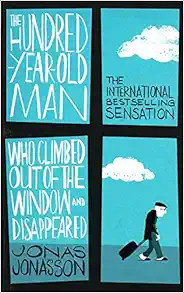
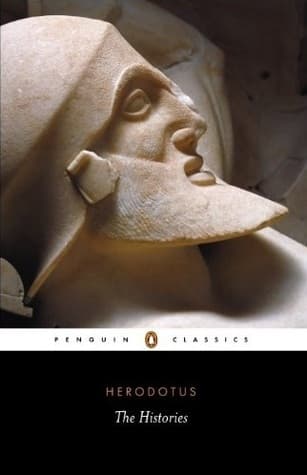
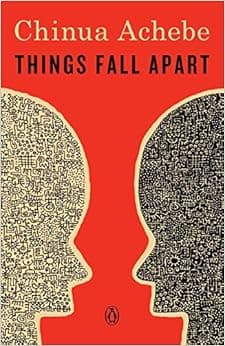
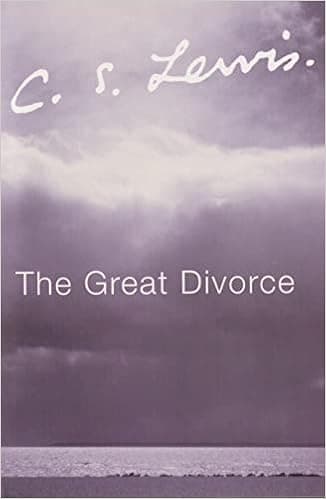

Popular Books

Harry Potter and the Deathly Hallows (Harry Potter, #7)
J.K. Rowling, Mary GrandPre

The Body Keeps the Score: Brain, Mind, and Body in the Healing of Trauma
Bessel A. van der Kolk

The House of Hades (The Heroes of Olympus, #4)
Rick Riordan

Never Split the Difference: Negotiating As If Your Life Depended On It
Chris Voss, Tahl Raz

The Hobbit: Graphic Novel
Chuck Dixon, J.R.R. Tolkien, David Wenzel, Sean Deming

Harry Potter and the Order of the Phoenix (Harry Potter, #5)
J.K. Rowling, Mary GrandPre

We Should All Be Feminists
Chimamanda Ngozi Adichie

Evicted: Poverty and Profit in the American City
Matthew Desmond

A Game of Thrones (A Song of Ice and Fire, #1)
George R.R. Martin

Why We Sleep: Unlocking the Power of Sleep and Dreams
Matthew Walker

Unbroken: A World War II Story of Survival, Resilience, and Redemption
Laura Hillenbrand

A Monster Calls
Patrick Ness, Jim Kay, Siobhan Dowd
Browse by Genres
History
Business
Leadership
Marketing
Management
Innovation
Economics
Productivity
Psychology
Mindset
Communication
Philosophy
Biography
Science
Technology
Society
Health
Parenting
Self-Help
Wealth
Investment
Relationship
Startups
Sales
Money
Fitness
Nutrition
Sleep
Wellness
Spirituality
AI
Future
Nature
Politics
Classics
Sci-Fiction
Fantasy
Thriller
Mystery
Romance
Literary
Historical
Religion
Law
Crime
Arts
Habits
Creativity