

The Grace of God
"Reveals grace not as a New Testament innovation but as the foundational, undeserved thread woven throughout the entire biblical narrative."
- 1Grace is the original and enduring character of God. The book dismantles the false dichotomy of an 'Old Testament God of wrath' versus a 'New Testament God of love,' arguing that grace defines God's interactions with humanity from Genesis forward.
- 2God's discipline is an expression of His gracious love. Stanley reframes divine correction not as punitive wrath but as a necessary, loving intervention to restore relationship, demonstrating grace's commitment to our ultimate good.
- 3Biblical narratives are fundamentally stories of undeserved favor. Re-examining familiar stories through the lens of grace reveals a consistent pattern: God initiates relationship and offers mercy to those who have done nothing to earn it.
- 4The church's primary failure is a deficit of demonstrated grace. The book contends that institutional religion often obscures God's grace through legalism, making the tangible, unconditional expression of grace the most critical witness to the world.
- 5Understanding grace is essential for spiritual survival and maturity. Grace is presented not as a peripheral theological concept but as the vital, sustaining atmosphere for the Christian life, without which faith becomes a burden of performance.
Andy Stanley’s The Grace of God undertakes a systematic theological excavation, aiming to recover grace from its common confinement to the New Testament epistles and the ministry of Jesus. Stanley argues that grace is not a divine Plan B, instituted after the failure of the Law, but is instead the original and enduring heartbeat of God’s relationship with humanity. The project begins in Genesis, tracing a scarlet thread of unmerited favor through the patriarchs, the Exodus, and the monarchy, demonstrating that every covenant and rescue was an act of grace bestowed upon undeserving recipients.
Stanley meticulously re-reads foundational biblical narratives—from the Garden of Eden to the story of Jonah—to illuminate how God’s gracious initiative precedes human repentance or merit. He dissects the lives of figures like Abraham, Jacob, and David, showing their flaws not as barriers to God’s use but as the very canvas upon which His grace is most vividly displayed. This narrative journey challenges the pervasive but flawed reading of Scripture that pits a vengeful Old Testament deity against a loving New Testament Savior, proposing instead a coherent portrait of a consistently gracious God.
The book also engages with the complex relationship between grace and God’s discipline, positing that divine correction is itself a profound expression of grace. Stanley contends that a true understanding of grace liberates the believer from a transactional relationship with God, replacing a cycle of earning and failing with the security of unconditional acceptance. This freedom, he suggests, is what empowers authentic transformation and ethical living.
Ultimately, The Grace of God is a pastoral and theological work aimed at both the individual believer and the collective church. It seeks to recalibrate the reader’s entire hermeneutic, offering a lens through which the entire biblical story coheres. Its significance lies in its potential to heal personal spiritual anxiety and to critique religious systems that substitute performance for promise, making it essential reading for those wrestling with legalism or seeking a deeper, more integrated biblical theology.
Readers consistently praise the book's clarifying power, describing it as a transformative lens that reconciles the entire biblical narrative. The accessible, story-driven methodology is celebrated for making profound theology tangible. A dominant sentiment is relief, as the book alleviates performance-based anxiety by firmly rooting identity in God's unilateral initiative. Criticisms are scarce but note the prose, while clear, prioritizes pastoral communication over dense academic argument.
- 1The book's central argument that grace, not wrath, defines God's character from Genesis onward.
- 2The transformative re-reading of Old Testament stories through the lens of undeserved favor.
- 3The practical challenge of moving from understanding grace to extending it to others in daily life.

Boom: Bubbles and the End of Stagnation
Byrne Hobart

The Intelligent Investor
Benjamin Graham

Chip War: The Quest to Dominate the World's Most Critical Technology
Chris Miller

Bad Samaritans
Ha-Joon Chang

The Art of Contrarian Trading
Carl Futia

The Almanack of Naval Ravikant
Naval Ravikant, Eric Jorgenson
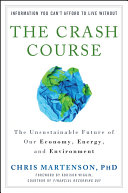
The Crash Course
Chris Martenson

Code: The Hidden Language of Computer Hardware and Software
Charles Petzold
The Norwegian Method
Brad Culp

Blueprints: How mathematics shapes creativity
Marcus du Sautoy
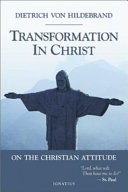
Transformation in Christ
Dietrich Von Hildebrand

The Psychology of Money: Timeless Lessons on Wealth, Greed, and Happiness
Morgan Housel