
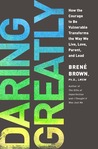
Daring Greatly: How the Courage to Be Vulnerable Transforms the Way We Live, Love, Parent, and Lead
"True courage requires embracing vulnerability as the foundational source of innovation, connection, and wholehearted living."
- 1Redefine vulnerability as courage, not weakness. Vulnerability is the emotional exposure, risk, and uncertainty we face when stepping into the arena. It is not a liability but the birthplace of love, belonging, joy, and creativity, requiring immense bravery.
- 2Cultivate shame resilience to live wholeheartedly. Shame thrives in secrecy and silence. Developing resilience involves recognizing shame triggers, practicing critical awareness, reaching out for empathy, and speaking the experience aloud to disarm its power.
- 3Disrupt the scarcity mindset of 'never enough'. The pervasive cultural narrative of 'not good enough, thin enough, successful enough' fuels shame and disconnection. Wholehearted living requires consciously cultivating a mindset of sufficiency and self-worth.
- 4Model vulnerability to foster trust and innovation. In leadership and parenting, perfectionism and armoring up create fear. Leaders who dare greatly by admitting uncertainty and taking risks create cultures where creativity, engagement, and trust can flourish.
- 5Establish boundaries to make vulnerability sustainable. Vulnerability without boundaries is not vulnerability; it is oversharing or desperation. Clear boundaries about what, when, and with whom to share create the container for safe emotional exposure.
- 6Engage with the arena, not the critics. The critic, whether internal or external, focuses on fault-finding from the safety of the stands. Daring greatly means choosing to be in the arena, focused on effort and engagement despite the risk of failure.
Daring Greatly dismantles the cultural myth that vulnerability is a weakness, arguing instead that it is our most accurate measure of courage. Drawing on twelve years of pioneering qualitative research, Brené Brown posits that the willingness to show up, be seen, and risk emotional exposure is the fundamental catalyst for meaningful human connection, creativity, and innovation. The book’s title and central metaphor are drawn from Theodore Roosevelt’s "Man in the Arena" speech, framing life’s challenges as arenas where we must choose between armoring up or daring greatly.
Brown meticulously explores the anatomy of vulnerability and its nemesis, shame. She differentiates between guilt ("I did something bad") and shame ("I am bad"), detailing how the latter corrodes our sense of worth and connection. Her research identifies the "shield" behaviors—perfectionism, foreboding joy, numbing, and the Viking-or-Victim mindset—that we employ to protect ourselves from vulnerability. The book examines how these defenses, while offering temporary relief, ultimately wall us off from the very experiences that give life purpose and depth.
The work extends these core concepts into practical domains: parenting, education, the workplace, and relationships. Brown illustrates how fostering shame-resilient environments allows children to engage with the world from a place of worthiness. She challenges leaders to dismantle organizational cultures of fear and scarcity, advocating for leaders who model vulnerability to build trusting, innovative teams. The final sections provide a framework for wholehearted living, which involves cultivating courage, compassion, and connection while letting go of what people think and the exhausting pursuit of perfection.
Daring Greatly is a sociological and psychological manifesto that transcends the self-help genre. It provides a rigorous, evidence-based vocabulary for a universal human experience, making it essential reading for anyone seeking to lead, love, parent, or create with more authenticity. Its impact lies in its ability to reframe personal struggles not as individual failings but as part of a broader cultural conversation about worthiness, belonging, and what it truly means to be brave.
The consensus celebrates Brown's transformative reframing of vulnerability as a strength, with readers consistently praising the research-backed insights as intellectually rigorous yet deeply personal. Many describe the book as life-changing, providing a new lens for understanding shame and courage. A recurring critique points to a desire for more concrete, step-by-step methodologies beyond the powerful conceptual framework, with some readers finding the application less clear than the diagnosis. The work is broadly deemed accessible, translating academic research into relatable anecdotes and actionable wisdom.
- 1The transformative power of Brown's research in redefining vulnerability as essential courage, not a character flaw.
- 2Debates on the book's practical application, with some seeking more concrete steps beyond the conceptual framework.
- 3Appreciation for the insightful analysis of shame resilience and its different manifestations across genders.
- 4Discussion on the impact of the "arena" metaphor and its call to engage fully despite criticism.
How to Win Friends & Influence People
Dale Carnegie

Just Listen: Discover the Secret to Getting Through to Absolutely Anyone
Mark Goulston
The Creative Habit
Twyla Tharp, Mark Reiter

Chip War: The Quest to Dominate the World's Most Critical Technology
Chris Miller

Permanent Record
Edward Snowden

The Crash Course
Chris Martenson
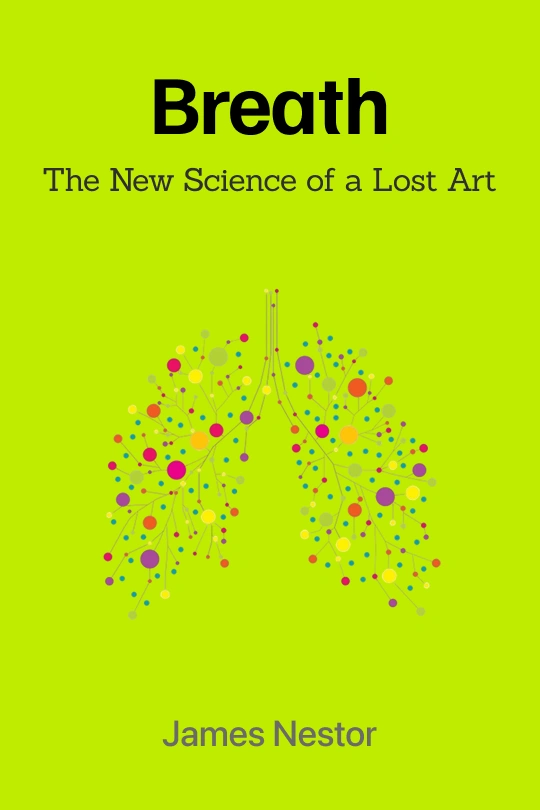
Breath: The New Science of a Lost Art
James Nestor

Code: The Hidden Language of Computer Hardware and Software
Charles Petzold

The Art of Contrarian Trading
Carl Futia

The Fifth Discipline
Peter M. Senge

The Intelligent Investor
Benjamin Graham
The Norwegian Method
Brad Culp