

Wildflower
"A celebrity memoir that transcends gossip, finding profound joy and resilience in life's unscripted moments."
- 1Authenticity emerges from embracing life's messy chronology. The book's non-linear structure mirrors the organic way memory functions, arguing that wisdom is accrued not through a clean narrative but through the juxtaposition of disparate experiences.
- 2Radical self-reliance can be forged in early independence. Barrymore frames her unorthodox adolescence—moving out at fourteen—not as a trauma but as a crucible that taught essential, life-sustaining pragmatism, from laundry to self-preservation.
- 3Genuine compassion requires humility and active engagement. Her humanitarian work is presented as a process of listening and learning, dismantling the superficial celebrity photo-op to reveal a deeper, more respectful form of advocacy.
- 4Love operates as a deliberate, chosen narrative lens. The memoir consciously rejects salacious 'tell-all' conventions, instead curating stories that reflect gratitude and affection, framing a life through the restorative power of positive reflection.
- 5Personal voice is the ultimate marker of autobiographical truth. The prose's distinctive, conversational cadence—earthy and unfiltered—itself becomes the book's central argument for authenticity, proving ownership of one's story in its very syntax.
Drew Barrymore's Wildflower is not a conventional celebrity autobiography but a carefully arranged bouquet of episodic memories. Eschewing a strict chronological narrative, it presents a mosaic of her life from childhood stardom through tumultuous young adulthood to settled motherhood and professional success. The book operates on the premise that identity is understood in flashes of insight, not through a dutiful timeline, allowing poignant moments from different eras to converse with one another across the pages.
The chapters function as self-contained essays, ranging from the whimsically practical—learning to do laundry as a self-sufficient teenager living alone—to the deeply emotional, such as processing complex familial relationships. Barrymore details her early, unsupervised immersion into adulthood, her cross-country adventures marked by both misadventure and revelation, and her evolving perspective on fame. The narrative consciously avoids exploiting past scandals or doling out industry gossip, focusing instead on the quieter, formative experiences that mainstream media overlooked.
A significant portion of the reflection is devoted to her philanthropic work with organizations like the World Food Programme, which she frames not as a celebrity obligation but as a genuine education in global citizenship and empathy. The memoir also offers intimate glimpses into her life as a mother and a pet owner, using these relationships to explore themes of unconditional love and nurturing. The prose is conversational, imbued with her recognizable vocal cadence, which lends the text an immediate, confessional quality.
Ultimately, Wildflower positions itself as a postscript to her teenage memoir, written from the stable vantage point of hard-won happiness. It is a work aimed at readers who seek inspiration in resilience rather than voyeuristic detail, arguing that a life’s meaning is found not in its most publicized episodes, but in the cultivated, personal garden of private joys, lessons, and loves. Its legacy is that of a reflective, optimistic narrative that redefines the celebrity memoir genre away from exposé and toward literary portraiture.
The critical consensus celebrates the book's authentic, charming voice and its refreshing focus on love over scandal. Readers are disarmed by Barrymore's genuine warmth and profound optimism, finding the episodic structure both engaging and uniquely reflective of her personality. A primary critique centers on the non-chronological arrangement, which some find disorienting as they attempt to place events within her biography. The work is broadly deemed accessible and inspirational, particularly for those appreciating a memoir that prioritizes emotional resonance over sensational revelation.
- 1The non-chronological, story-based structure is praised for its authenticity but criticized for creating timeline confusion.
- 2Barrymore's unmistakable authorial voice is highlighted as the book's greatest strength, proving she wrote it herself.
- 3The conscious avoidance of a salacious 'tell-all' approach generates debate, with some craving more dirt and others appreciating the focus on love.
- 4Her reflections on humanitarian work shift perceptions, challenging assumptions about celebrity activism and revealing deeper engagement.
- 5The deeply relatable chapters on motherhood and pets, particularly involving her dog Budgie, evoke strong emotional responses from readers.
Stumbling on Happiness
Daniel Gilbert
The Creative Habit
Twyla Tharp, Mark Reiter

Out of Control
Kevin Kelly
The Norwegian Method
Brad Culp
The Crash Course
Chris Martenson

Just Listen: Discover the Secret to Getting Through to Absolutely Anyone
Mark Goulston

The Intelligent Investor
Benjamin Graham
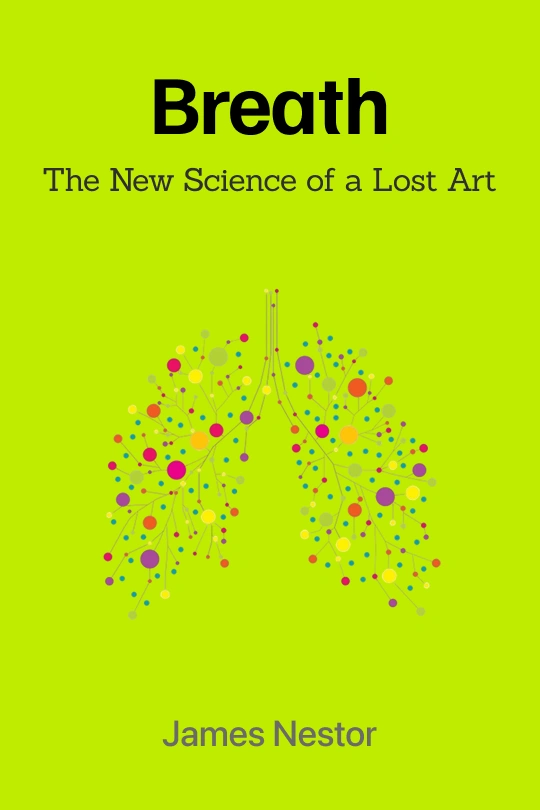
Breath: The New Science of a Lost Art
James Nestor

The Psychology of Money: Timeless Lessons on Wealth, Greed, and Happiness
Morgan Housel
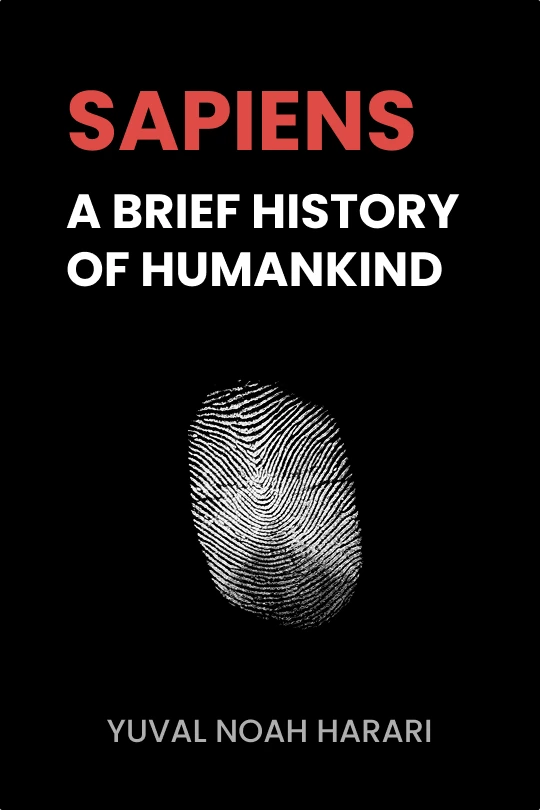
Sapiens: A Brief History of Humankind
Yuval Noah Harari
The Book of Basketball: The NBA According to The Sports Guy
Bill Simmons

The Art of Contrarian Trading
Carl Futia