
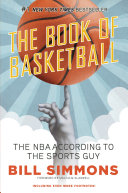
The Book of Basketball: The NBA According to The Sports Guy
"A definitive, irreverent, and obsessively detailed cultural history that decodes the NBA's soul through its greatest debates and players."
- 1[object Object]
- 2[object Object]
- 3[object Object]
- 4[object Object]
- 5[object Object]
- 6[object Object]
Bill Simmons’s The Book of Basketball is less a conventional history than a sprawling, encyclopedic, and fiercely opinionated manifesto on professional basketball. It positions itself as the definitive word on the NBA, written from the perspective of a lifelong obsessive whose knowledge is both deep and culturally saturated. The project is audacious in scope, aiming to settle every major debate, rank every significant player, and ultimately uncover the sport’s philosophical core.
Simmons structures his argument around two monumental pillars. The first is a thorough re-litigation of the league’s eternal debates, most notably the career-defining rivalry between Bill Russell and Wilt Chamberlain, which he uses as a foundational case study for his championship-over-stats ideology. The second is the construction of ‘The Pyramid,’ his proprietary, multi-tiered hall of fame that ranks the ninety-six greatest players in history. This system serves as the book’s analytical engine, forcing a rigorous comparison of eras and playstyles while explicitly rejecting the bland consensus of traditional institutions.
The narrative quest culminates in the pursuit of ‘The Secret,’ a concept Simmons teases throughout the text. Through conversations with legends and his own analysis, he frames this not as a tactical trick but as a holistic understanding of the game: the primacy of team success, the sacrifice of individual glory, and the intangible chemistry that defines legendary teams. It is a moral and competitive framework presented as the sport’s ultimate truth.
More than a reference work, the book is a cultural artifact that captures a specific moment in sports journalism—the ascendancy of the smart, subjective, and pop-culture-literate fan voice. Its legacy lies in its exhaustive depth, its uncompromising editorial voice, and its success in blending statistical analysis, historical narrative, and irreverent humor into a singular, immersive reading experience for the dedicated basketball enthusiast.
The consensus among dedicated fans is one of grateful immersion. Readers champion the book's encyclopedic scope and Simmons's uniquely passionate, humorous voice, which transforms a massive historical project into an engaging, conversation-like experience. The primary critique is not of content but of accessibility; its sheer length and deep-dive specificity render it overwhelming for casual observers. It is universally regarded not as an objective reference, but as the ultimate subjective guide for those already invested in the NBA's intricate lore and enduring debates.
- 1The book's monumental length and dense detail, praised as a deep dive by superfans but criticized as daunting and excessive for casual readers.
- 2Simmons's unabashedly subjective and opinionated voice, celebrated for its authenticity and humor or dismissed as biased, depending on the reader's preference.
- 3The value and methodology of 'The Pyramid' ranking system, sparking debate over player placements and the criteria for historical greatness.
- 4The central thesis prioritizing Bill Russell's team-success legacy over Wilt Chamberlain's statistical dominance as the defining argument of the book.

How to Win Friends & Influence People
Dale Carnegie
Transformation in Christ
Dietrich Von Hildebrand
Boom: Bubbles and the End of Stagnation
Byrne Hobart
The Crash Course
Chris Martenson

The Almanack of Naval Ravikant
Naval Ravikant, Eric Jorgenson

Permanent Record
Edward Snowden

The Intelligent Investor
Benjamin Graham

Chip War: The Quest to Dominate the World's Most Critical Technology
Chris Miller

The Psychology of Money: Timeless Lessons on Wealth, Greed, and Happiness
Morgan Housel
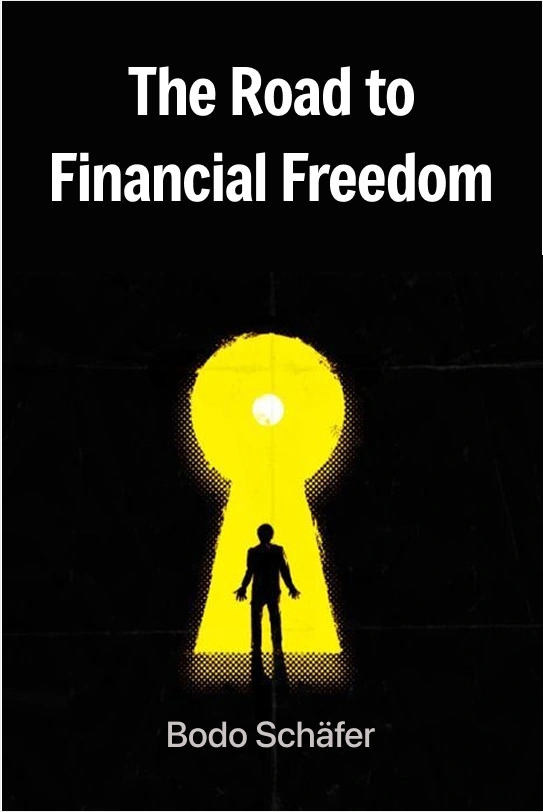
The Road to Financial Freedom
Bodo Schäfer
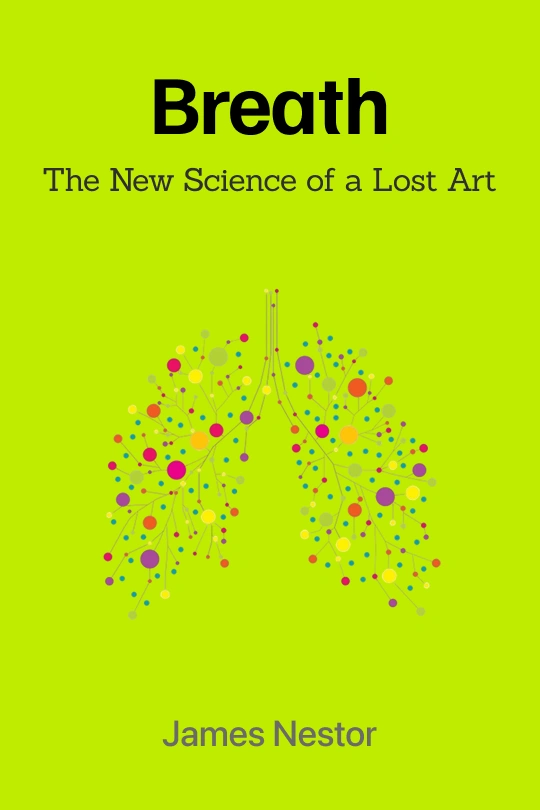
Breath: The New Science of a Lost Art
James Nestor
Bad Samaritans
Ha-Joon Chang