
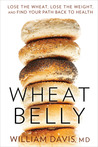
Wheat Belly: Lose the Wheat, Lose the Weight, and Find Your Path Back to Health
"Modern wheat is a genetically altered appetite stimulant driving obesity and chronic disease; its elimination restores metabolic health."
- 1Modern wheat is a profoundly altered agricultural product. The wheat consumed today bears little resemblance to its ancient ancestors, having been genetically manipulated for yield and baking properties, resulting in a novel and potentially harmful foodstuff for the human digestive system.
- 2Wheat triggers excessive blood sugar spikes and fat storage. The unique carbohydrate amylopectin A in wheat breaks down rapidly into glucose, causing insulin surges that promote visceral fat accumulation—the dangerous 'wheat belly'—more effectively than table sugar.
- 3Gliadin protein acts as an appetite stimulant. Wheat-derived gliadin peptides cross the blood-brain barrier and bind to opioid receptors, creating a cycle of craving and overconsumption that undermines satiety signals and willpower.
- 4Wheat elimination can reverse numerous inflammatory conditions. Removing wheat often alleviates symptoms ranging from arthritis and skin rashes to acid reflux and neurological fog, as it reduces systemic inflammation and autoimmune triggers linked to its proteins.
- 5The 'whole grain' health claim is a dangerous misconception. Marketing whole wheat as heart-healthy ignores its dramatic glycemic impact and inflammatory potential, redirecting dietary focus from processed carbohydrates to unprocessed meats, vegetables, and fats.
- 6Adopt a wheat-free lifestyle, not a gluten-free diet. The goal is complete wheat avoidance, not merely substituting with processed gluten-free foods, which often contain other high-glycemic ingredients that perpetuate metabolic dysfunction.
In Wheat Belly, preventive cardiologist William Davis presents a provocative thesis that identifies modern wheat as the primary driver of the national obesity epidemic and a host of chronic inflammatory diseases. He argues that the wheat we eat today is not the biblical staff of life but a product of aggressive genetic hybridization since the 1960s, engineered for higher yield and baking qualities but with unintended consequences for human physiology. This transformed grain, he contends, has become a ubiquitous and destructive component of the Western diet.
Davis systematically deconstructs wheat's impact on the body, detailing how its unique form of carbohydrate, amylopectin A, causes blood sugar to spike higher than sucrose, directly promoting fat storage, particularly visceral abdominal fat. He delves into the opioid-like effects of wheat-derived gliadin proteins, which stimulate appetite and create a cycle of craving and overconsumption. The book links wheat consumption to conditions far beyond celiac disease, including diabetes, arthritis, acid reflux, skin disorders, and neurological symptoms like brain fog and dementia, framing it as a broad-spectrum inflammatory trigger.
The final sections provide a practical framework for wheat elimination, distinguishing it from fad diets. Davis outlines a dietary shift toward whole foods: meats, eggs, vegetables, nuts, and healthy fats, while cautioning against simply replacing wheat with other processed gluten-free carbohydrates. He includes case studies from his clinical practice showing dramatic reversals of metabolic syndrome, autoimmune markers, and obesity, positioning wheat avoidance not as a restrictive diet but as a recovery of pre-agricultural metabolic efficiency.
Wheat Belly targets a health-conscious public disillusioned with conventional nutritional advice and low-fat dogma. Its significance lies in challenging a foundational food group, repositioning a dietary staple as a central public health villain. The book ignited widespread debate, contributing to the popularization of grain-free and paleo-inspired eating patterns and forcing a re-examination of official dietary guidelines that promote whole grains.
The community is sharply polarized. Advocates hail the book as life-changing, reporting dramatic weight loss, resolved inflammation, and mental clarity after adopting its principles. They praise its accessible science and compelling patient anecdotes. Skeptics, however, criticize its alarmist tone, perceived cherry-picking of evidence, and the blanket vilification of an entire food group. Many note the dietary plan's heavy reliance on meat and dairy as contradictory to its own discussions on acidity, creating a significant point of contention for plant-based readers.
- 1The dramatic health transformations reported by followers, including rapid weight loss and the reversal of chronic inflammatory conditions like arthritis and skin disorders.
- 2Scientific criticism regarding the book's extrapolation from celiac research to the general population and its characterization of all modern wheat as toxic.
- 3Ethical and nutritional debate over the diet's heavy promotion of unrestricted meat and dairy consumption, conflicting with other health paradigms.
- 4The practicality and sustainability of completely eliminating wheat in a society where it is a dietary staple and hidden ingredient.
- 5Comparison to other dietary approaches, particularly whether the benefits stem from wheat avoidance or simply from reducing processed carbohydrates overall.

Just Listen: Discover the Secret to Getting Through to Absolutely Anyone
Mark Goulston

The Artist's Way
Julia Cameron
The Crash Course
Chris Martenson

Stumbling on Happiness
Daniel Gilbert

Transformation in Christ
Dietrich Von Hildebrand

How to Win Friends & Influence People
Dale Carnegie

Outliers: The Story of Success
Malcolm Gladwell

Sapiens: A Brief History of Humankind
Yuval Noah Harari

Chip War: The Quest to Dominate the World's Most Critical Technology
Chris Miller

The Norwegian Method
Brad Culp

Bad Samaritans
Ha-Joon Chang

The Creative Habit
Twyla Tharp, Mark Reiter