

A Great and Terrible Beauty (Gemma Doyle, #1)
by Libba Bray
“A Victorian girl's forbidden magic becomes a weapon against societal cages and a conduit to a realm of dangerous, intoxicating power.”
Key Takeaways
- 1Power is a seductive and perilous escape from powerlessness. The magical Realms offer the girls a temporary illusion of control, mirroring the addictive nature of defying a rigid, oppressive society.
- 2Female friendship is forged in shared secrets, not inherent affection. The alliance between Gemma, Felicity, Pippa, and Ann is transactional, built on mutual need for liberation and the dangerous bond of occult knowledge.
- 3The Victorian feminine ideal is a gilded prison of expectations. The finishing school curriculum explicitly trains girls to become decorative, obedient wives, systematically erasing their individual ambitions and desires.
- 4Awakening sexuality is intertwined with awakening power. The girls' exploration of magic parallels their nascent sexual curiosity, both representing taboo forms of self-knowledge and autonomy in a repressive era.
- 5Guilt and grief can be manipulated as tools of control. Gemma's vision of her mother's death haunts her, making her vulnerable to external forces that use her remorse to steer her destiny.
- 6The past is not dead; it actively haunts and shapes the present. The diary of Mary Dowd and the fire at Spence Academy are not mere history but active, unresolved magic that demands a successor to settle its debts.
Description
In 1895, following the traumatic death of her mother in India, sixteen-year-old Gemma Doyle is exiled to Spence Academy, a rigid finishing school in England. Plagued by guilt and unsettling psychic visions that foretold the tragedy, Gemma is an outsider, her spirit at odds with the school's mandate to produce graceful, compliant wives. Her isolation is compounded by the mysterious Kartik, a young Indian man who has followed her with cryptic warnings.
Gemma's discovery of a diary, hidden by a student who perished in Spence's infamous East Wing fire, unveils the existence of a secret magical society called the Order. The diary serves as a key, allowing Gemma to access the Realms—a lush, mutable dimension where thought shapes reality. She is reluctantly drawn into a fragile alliance with three other girls: the manipulative Felicity, the beautiful Pippa, and the insecure Ann. Together, they use the Realms as an escape, indulging fantasies of power, beauty, and love otherwise denied them by Victorian society.
Their reckless forays attract a malevolent force known as Circe, which seeks to cross from the Realms into the mortal world. Gemma learns that her mother was deeply entangled with the Order's legacy and that her own power is the linchpin in a much older conflict. The girls' addictive pursuit of freedom through magic blinds them to the escalating danger, forcing Gemma to confront the true cost of power and the heavy responsibilities of her inheritance.
The novel is a Gothic tapestry weaving historical critique with dark fantasy. It examines the claustrophobic constraints placed on Victorian women while exploring the intoxication and perils of nascent power. Bray constructs a narrative where the quest for personal agency collides with supernatural forces, setting the stage for a larger battle between light and shadow that will define Gemma's destiny.
Community Verdict
The critical consensus is sharply divided, creating a polarized portrait of the novel's merits. A significant contingent praises its lush, atmospheric prose and its potent feminist critique of Victorian patriarchy, finding the boarding school setting and the exploration of female desire through magical escapism to be compelling and original. These readers champion Gemma as a flawed but relatable protagonist and appreciate the nuanced, often toxic dynamics of the girls' friendship.
Detractors, however, level substantial criticisms at the book's substance. They find the core quartet of characters insufferably petty, shallow, and emotionally stunted, arguing that their friendship feels artificial and mercenary. The plot is frequently cited as meandering and slow, with a climax that feels rushed after extensive buildup. Most damning are charges of problematic Orientalist and racist stereotyping in the portrayal of Indian and Romani characters, and a confusing, underdeveloped magical system that relies more on aesthetic than coherent rules.
Hot Topics
- 1The authenticity and toxicity of the central female friendship, debated as either a realistic portrayal of transactional teenage alliances or an unlikable, shallow dynamic.
- 2Criticism of Orientalist and racist stereotypes in the portrayal of Kartik and the Romani characters as exotic, sexualized, or threatening figures.
- 3The novel's pacing and plot structure, with many finding the first two-thirds slow and meandering, saved only by a final act of action.
- 4The effectiveness of its feminist critique of Victorian society versus the modern anachronism of the protagonist's voice and sensibilities.
- 5The handling of dark themes like sexuality, self-harm, and power imbalances within romantic and familial relationships.
- 6Confusion and dissatisfaction with the rules and mythology of the magic system and the Order, which some feel is vague and underdeveloped.
Related Matches
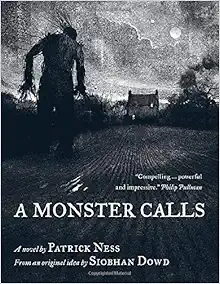
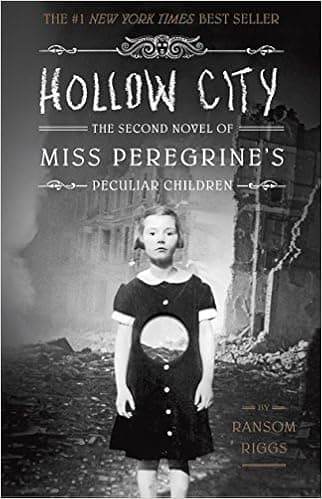
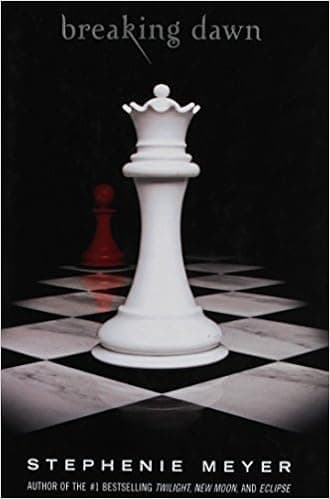

Popular Books

Harry Potter and the Deathly Hallows (Harry Potter, #7)
J.K. Rowling, Mary GrandPre

The Body Keeps the Score: Brain, Mind, and Body in the Healing of Trauma
Bessel A. van der Kolk

The House of Hades (The Heroes of Olympus, #4)
Rick Riordan

Never Split the Difference: Negotiating As If Your Life Depended On It
Chris Voss, Tahl Raz

The Hobbit: Graphic Novel
Chuck Dixon, J.R.R. Tolkien, David Wenzel, Sean Deming

Harry Potter and the Order of the Phoenix (Harry Potter, #5)
J.K. Rowling, Mary GrandPre

We Should All Be Feminists
Chimamanda Ngozi Adichie

Evicted: Poverty and Profit in the American City
Matthew Desmond

A Game of Thrones (A Song of Ice and Fire, #1)
George R.R. Martin

Why We Sleep: Unlocking the Power of Sleep and Dreams
Matthew Walker

Unbroken: A World War II Story of Survival, Resilience, and Redemption
Laura Hillenbrand

A Monster Calls
Patrick Ness, Jim Kay, Siobhan Dowd
Browse by Genres
History
Business
Leadership
Marketing
Management
Innovation
Economics
Productivity
Psychology
Mindset
Communication
Philosophy
Biography
Science
Technology
Society
Health
Parenting
Self-Help
Wealth
Investment
Relationship
Startups
Sales
Money
Fitness
Nutrition
Sleep
Wellness
Spirituality
AI
Future
Nature
Politics
Classics
Sci-Fiction
Fantasy
Thriller
Mystery
Romance
Literary
Historical
Religion
Law
Crime
Arts
Habits
Creativity