
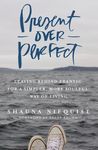
Present Over Perfect: Leaving Behind Frantic for a Simpler, More Soulful Way of Living
"Reclaim your essential self by abandoning the exhausting performance of busyness for a life of grace and connection."
- 1Recognize busyness as a numbing agent for emotional pain. The frantic pace of modern life often serves as a distraction from underlying discomfort or unresolved feelings. Acknowledging this function is the first step toward choosing a more authentic, present existence.
- 2Cultivate the radical courage to say no. True freedom and simplicity begin with setting boundaries. Declining requests that drain your soul creates the necessary space for activities and relationships that genuinely nourish you.
- 3Find profound transformation in silence and the ordinary. The relentless pursuit of the extraordinary is exhausting. Lasting change and deep peace are more likely to be discovered in quiet, unglamorous moments of daily life than in constant achievement.
- 4Prioritize presence over performance in key relationships. Intimate bonds cannot thrive on autopilot. Investing deliberate, undistracted attention in marriage, family, and friendship is the foundation of a soulful life, preventing future estrangement.
- 5Embrace a seasonal understanding of your capacity. Life is not meant to be lived at a perpetual peak. Honoring natural rhythms—periods of intense output followed by necessary rest—prevents burnout and allows for sustainable contribution.
Present Over Perfect emerges as a lyrical manifesto against the culturally sanctioned tyranny of busyness, a condition the author diagnoses as a soul-sickness epidemic. Shauna Niequist charts her personal journey from a life of frantic achievement and external validation to one grounded in presence, connection, and grace. The book frames this shift not as a mere lifestyle adjustment but as a fundamental reorientation of the self, a return to the essential person obscured by years of proving and earning.
Structured as a series of intimate essays, the narrative eschews a prescriptive, step-by-step program. Instead, it operates through vulnerable confession and evocative reflection, examining the hollow rewards of overcommitment and the quiet terror of stillness. Niequist explores the practical theology of saying no, the spiritual discipline of embracing limits, and the counterintuitive strength found in vulnerability. She argues that the constant pressure to perform creates a fragile, impressive life that is ultimately isolating and unsustainable.
The work delves into the tangible replacements for a frantic existence: the cultivation of silence, the intentional practice of prayer and Sabbath, and the deep, attentive investment in a small circle of relationships. It posits that a simpler life is not an empty one, but a richer one—soaked in meaning derived from being truly present with oneself, one's loved ones, and the ordinary moments that comprise a day.
Targeting anyone who feels trapped on a hamster wheel of their own making, the book’s significance lies in its compassionate, accessible framing of a timeless spiritual struggle within a modern context. It offers not a formula, but an invitation—a hand reaching out to pull readers from the quicksand of perfectionism toward the solid ground of their own imperfect, beautiful lives.
The critical consensus celebrates the book's resonant, vulnerable prose and its timely message for the chronically overextended. Readers deeply connect with Niequist's diagnosis of busyness as an addiction, finding her personal narrative both mirror and catalyst. However, a significant contingent critiques the work for a lack of structural rigor and actionable advice, perceiving it as an extended, repetitive reflection rather than a guide. Its deeply personal, essayistic approach is praised for its warmth but faulted by some for feeling insular or insufficiently prescriptive.
- 1The relatable portrayal of busyness as a numbing mechanism for avoiding deeper emotional pain and discomfort.
- 2Debate over the book's structure, with some finding the essay format refreshingly personal and others desiring more concrete, step-by-step guidance.
- 3The powerful, challenging invitation to practice saying 'no' as a foundational act of self-reclamation and boundary-setting.
- 4Appreciation for the focus on finding sacred meaning in ordinary, silent moments rather than in constant achievement.

Bad Samaritans
Ha-Joon Chang
Boom: Bubbles and the End of Stagnation
Byrne Hobart
The Creative Habit
Twyla Tharp, Mark Reiter
Breath: The New Science of a Lost Art
James Nestor

Out of Control
Kevin Kelly
Just Listen: Discover the Secret to Getting Through to Absolutely Anyone
Mark Goulston
The Essays of Warren Buffett: Lessons for Corporate America
Lawrence A. Cunningham, Warren Buffett
Transformation in Christ
Dietrich Von Hildebrand
The Norwegian Method
Brad Culp
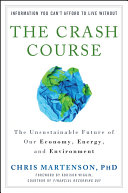
The Crash Course
Chris Martenson

Permanent Record
Edward Snowden

How to Win Friends & Influence People
Dale Carnegie