

Cesar's Way: The Natural, Everyday Guide to Understanding and Correcting Common Dog Problems
"Transform your dog's behavior by becoming a calm, assertive pack leader who provides exercise, discipline, and affection."
Nook Talks
- 1Lead with calm, assertive energy to establish pack stability. A dog's behavior directly reflects its owner's emotional state. Anxiety, frustration, or inconsistency from the human creates instability in the dog. Projecting calm, decisive leadership fulfills the dog's instinctual need for a reliable pack structure.
- 2Fulfill the dog's needs before expecting obedience. The foundational formula is exercise, discipline, and affection, in that order. A dog with pent-up physical energy cannot focus. Proper exercise drains this energy, creating a receptive state of mind for discipline and, finally, affectionate reward.
- 3Understand canine psychology, not just commands. Effective communication requires seeing the world from the dog's perspective. This book decodes instinctual drives—pack mentality, territory, prey drive—explaining why common problems like leash-pulling or aggression occur and how to address their root cause.
- 4Correct problems by rehabilitating the dog, not just the behavior. Symptomatic fixes like yelling or punishment fail. Lasting change comes from rehabilitating the dog's overall state of mind towards balance. This involves consistent rules, boundaries, and limitations that build the dog's confidence and trust.
- 5Domestication is a two-way contract of mutual fulfillment. Owning a dog is not solely about human needs. It is a responsibility to honor the dog's nature and provide for its instinctual requirements. A balanced relationship enriches both species, transforming chaotic cohabitation into harmonious partnership.
Cesar's Way arrives as a foundational text in modern canine psychology, challenging the sentimental, anthropomorphic approach that has left millions of American dogs neurotic and poorly behaved. Cesar Millan, emerging from humble origins in Mexico to become the celebrated 'Dog Whisperer,' posits that the epidemic of dog problems—from aggression to anxiety—stems not from the dogs themselves, but from well-intentioned yet misguided owners who fail to understand the essential nature of the animal they have invited into their home.
Millan's philosophy is anchored in a deceptively simple triad: exercise, discipline, and affection, applied in that strict order. The book meticulously argues that a dog must first drain its physical energy through rigorous exercise to achieve a calm, submissive state. Only then can it mentally receive discipline—the consistent enforcement of rules, boundaries, and limitations. Affection, often lavished prematurely by owners, is the reward for balanced behavior, not a substitute for leadership. Through detailed case studies from his practice, Millan demonstrates how this sequence rehabilitates the dog's entire state of mind.
The work delves deeply into the principles of pack dynamics, explaining how dogs instinctively seek a calm-assertive leader. Millan teaches readers to project this energy through posture, tone, and psychology, thereby fulfilling the dog's innate need for a stable social structure. He decodes common behavioral issues—leash-pulling, barking, separation anxiety—as manifestations of instability, excess energy, or unclear leadership, providing practical corrections that address the root cause rather than the symptom.
Ultimately, Cesar's Way is more than a training manual; it is a treatise on interspecies relationship. It targets frustrated dog owners and animal professionals, offering a paradigm shift from commanding obedience to fostering balance. Its legacy lies in popularizing the concept of the pack leader, urging humans to earn their dog's respect and trust by first understanding and providing for the dog's fundamental, non-negotiable needs.
The readership is sharply divided, forming a clear consensus around polarized extremes. Adherents describe transformative, almost spiritual revelations that restored peace to their homes and deepened their bond with their dogs, crediting Millan with teaching self-awareness and calm leadership. Detractors, however, condemn the methods as harsh, dominance-based, and scientifically outdated, arguing they promote fear over positive reinforcement. The book is universally acknowledged as provocative and foundational, but its application is deemed highly dependent on the owner's personal philosophy toward animal behavior.
- 1The ethical debate over 'dominance theory' versus modern positive reinforcement training methods.
- 2The book's transformative personal impact on owners' self-awareness and household dynamics.
- 3Criticism of specific techniques, such as the 'alpha roll' or corrective touches, as perceived cruelty.
- 4The effectiveness and simplicity of the core 'exercise, discipline, affection' formula for common problems.
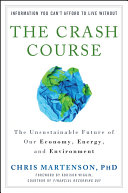
The Crash Course
Chris Martenson

Code: The Hidden Language of Computer Hardware and Software
Charles Petzold
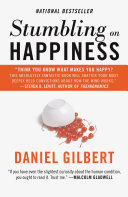
Stumbling on Happiness
Daniel Gilbert

Chip War: The Quest to Dominate the World's Most Critical Technology
Chris Miller

How to Win Friends & Influence People
Dale Carnegie

Sapiens: A Brief History of Humankind
Yuval Noah Harari

The Norwegian Method
Brad Culp

The Psychology of Money: Timeless Lessons on Wealth, Greed, and Happiness
Morgan Housel

The Essays of Warren Buffett: Lessons for Corporate America
Lawrence A. Cunningham, Warren Buffett

The Intelligent Investor
Benjamin Graham

Breakthrough: The Quest for Life-Changing Medicines
Dr William Pao

The Almanack of Naval Ravikant
Naval Ravikant, Eric Jorgenson