
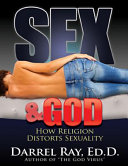
Sex & God
"A secular exorcism of the religious guilt and control embedded in our most intimate lives."
- 1Religious doctrine systematically pathologizes natural sexual desire. By framing innate drives like masturbation or premarital sex as sinful, religions create a permanent state of guilt and anxiety, turning the body into a battleground for spiritual compliance.
- 2Control of sexuality is fundamental to institutional religious power. Regulating marriage, pleasure, and reproduction allows religious authorities to dictate family structure, inheritance, and community loyalty, ensuring the faith's demographic and social continuity.
- 3Purity culture severs the connection between pleasure and ethics. It replaces a framework of mutual consent and well-being with one of ritual cleanliness, making sexual morality about rule-following rather than human connection and responsibility.
- 4Religious sexual shame creates lasting psychological trauma. Internalized teachings can lead to sexual dysfunction, repressed identity, and fractured self-esteem that persist long after individuals leave the faith, requiring conscious deprogramming.
- 5Secular sexuality requires intentional, values-based reconstruction. Moving beyond religious frameworks demands actively building a personal sexual ethic based on honesty, consent, scientific understanding, and the pursuit of mutual pleasure without shame.
Darrel Ray’s 'Sex & God' is a provocative anthropological and psychological audit of the world’s major religious traditions, arguing that their preoccupation with regulating sexuality is not a moral sidebar but a central mechanism of control. The book posits that from Buddhism and Christianity to Islam and Mormonism, doctrines concerning purity, sin, and permissible acts function as a primary tool for maintaining institutional authority, shaping identity, and ensuring generational transmission of faith.
Ray, a former minister turned secular psychologist, dissects how religions systematically pathologize natural sexual behaviors—masturbation, premarital sex, homosexuality—to induce guilt and create a dependent relationship between the believer and the religious structure. The narrative traces the historical and theological roots of sexual prohibitions, demonstrating how they are often less about divine commandment and more about pragmatic concerns over property, lineage, and social cohesion. The book ventures into the impact of these teachings on individual psychology, arguing they create a lifelong internal conflict between body and spirit.
The final sections of the work are prescriptive, offering a roadmap for what Ray terms 'secular sexuality.' He advocates for an ethical framework divorced from supernatural punishment, one built on informed consent, personal responsibility, and the conscious cultivation of pleasure. The book is aimed at those recovering from religious upbringing, as well as anyone interested in the often-unexamined intersections of culture, power, and intimate life. Its legacy lies in its uncompromising challenge to view religious sexual mores not as timeless truths, but as malleable social technologies with profound human costs.
The consensus finds the book’s core thesis compelling and its information invaluable for readers deconstructing religious backgrounds, praising its fearless exposure of systemic control. However, a significant portion of the audience, including sympathetic secularists, criticizes the author’s tone as unproductively hostile, which they feel undermines his persuasive power and alienates potential converts. The argument is also seen as occasionally reductive, attributing too many societal sexual dysfunctions solely to religion while underestimating other cultural forces.
- 1The author's perceived hostility toward religion, which some find justified but others believe diminishes the book's persuasive impact.
- 2Whether the thesis over-attributes problems like infidelity and poor sex education exclusively to religious influence.
- 3The value of the author's unique perspective as a former minister versus the potential for bias from his personal history.
- 4Debates on the book's accessibility and tone, questioning if its approach wins converts or merely preaches to the secular choir.

Chip War: The Quest to Dominate the World's Most Critical Technology
Chris Miller
Radical Markets: Uprooting Capitalism and Democracy for a Just Society
Eric A. Posner, E. Glen Weyl

Code: The Hidden Language of Computer Hardware and Software
Charles Petzold

The Intelligent Investor
Benjamin Graham

Amusing Ourselves to Death: Public Discourse in the Age of Show Business
Neil Postman
Bad Samaritans
Ha-Joon Chang

Out of Control
Kevin Kelly
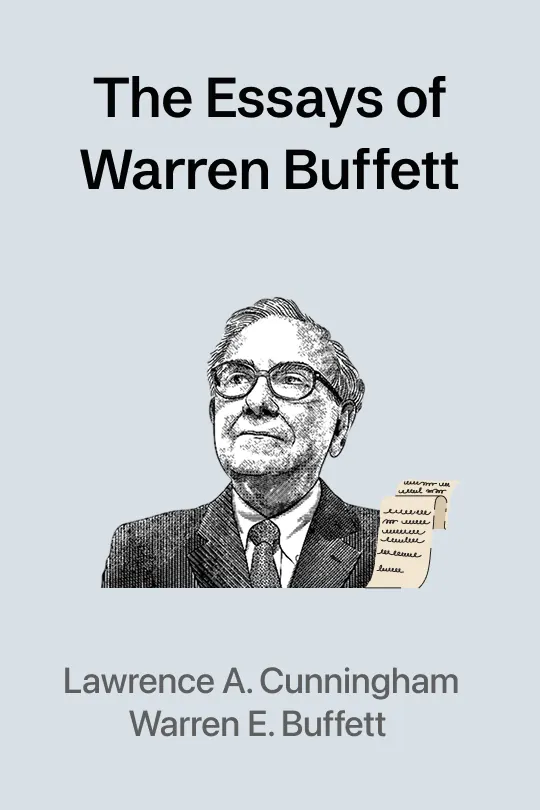
The Essays of Warren Buffett: Lessons for Corporate America
Lawrence A. Cunningham, Warren Buffett
The Road to Financial Freedom
Bodo Schäfer
Breath: The New Science of a Lost Art
James Nestor
The Crash Course
Chris Martenson
Sapiens: A Brief History of Humankind
Yuval Noah Harari