
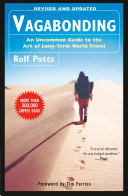
Vagabonding
"It reframes extended travel as an accessible, life-altering philosophy, not a distant luxury."
- 1Redefine time as a resource for experience, not money. The book argues that the primary barrier to long-term travel is not financial but psychological. It challenges the conventional work-life trade-off, proposing that time itself is the most valuable currency for personal discovery.
- 2Cultivate simplicity to finance your freedom. Extended travel is made possible through conscious downsizing and saving, not immense wealth. By systematically reducing daily expenses and reallocating resources, you build a personal travel fund from your existing income.
- 3Embrace the journey itself as the destination. Vagabonding prioritizes immersive, open-ended engagement over checklist tourism. The richest experiences emerge from slow travel, local connections, and the unplanned moments that occur between guidebook entries.
- 4View adversity on the road as transformative education. Challenges—logistical, social, or internal—are not failures but integral to the process. Navigating these moments builds resilience, adaptability, and a deeper understanding of both the world and oneself.
- 5Integrate the vagabonding mindset into ordinary life. The philosophy extends beyond the trip. It encourages a permanent shift toward curiosity, minimalism, and intentional living, ensuring the journey's spirit enriches your life long after you return home.
Vagabonding dismantles the myth that long-term world travel is a privilege reserved for the wealthy or the young. It posits extended travel as a deliberate, attainable form of personal exploration, accessible to anyone willing to prioritize time and experience over conventional career and consumption patterns. Rooted in the timeless tradition of the wanderer, the book recasts this impulse as a modern, practical art form.
Rolf Potts provides a pragmatic yet philosophical framework, beginning with the mental shift required to see time as a savings account. He details practical strategies for financing this time, from aggressive saving and debt elimination to developing portable income streams. The guide then moves into the execution phase, covering essential logistics like choosing destinations, securing visas, and packing with ruthless efficiency, all while advocating for a plan that remains flexible to serendipity.
The core of the text, however, is a meditation on life on the road. It explores how to engage deeply with cultures, manage loneliness and culture shock, and find meaningful work or volunteer opportunities. Potts argues that the true value of vagabonding lies in these sustained encounters and the internal growth they provoke, transforming the traveler’s relationship with home, work, and purpose.
More than a travel manual, Vagabonding is a treatise on intentional living. Its enduring impact lies in its appeal to anyone feeling trapped by the routine of modern life, offering a proven path to reclaiming autonomy. It has become a foundational text for the modern nomadic movement, championing a life rich in experience rather than possessions.
The consensus celebrates the book as a transformative catalyst, successfully reframing long-term travel from a fantasy into a feasible project. Readers consistently praise its empowering philosophy and practical financial advice, which demystify the process. Criticisms are minor, focusing on dated logistical references in older editions and a desire for more concrete, step-by-step planning templates alongside the inspirational prose.
- 1The book's core philosophy as a life-changing motivator versus needing more concrete, actionable planning steps.
- 2Debates on the practicality of its financial advice for different income levels and global economic climates.
- 3The timeless value of its inspirational message against the need for updated logistical and digital-nomad resources.

The Artist's Way
Julia Cameron
The Intelligent Investor
Benjamin Graham

Breakthrough: The Quest for Life-Changing Medicines
Dr William Pao
Bad Samaritans
Ha-Joon Chang
The Essays of Warren Buffett: Lessons for Corporate America
Lawrence A. Cunningham, Warren Buffett

Code: The Hidden Language of Computer Hardware and Software
Charles Petzold
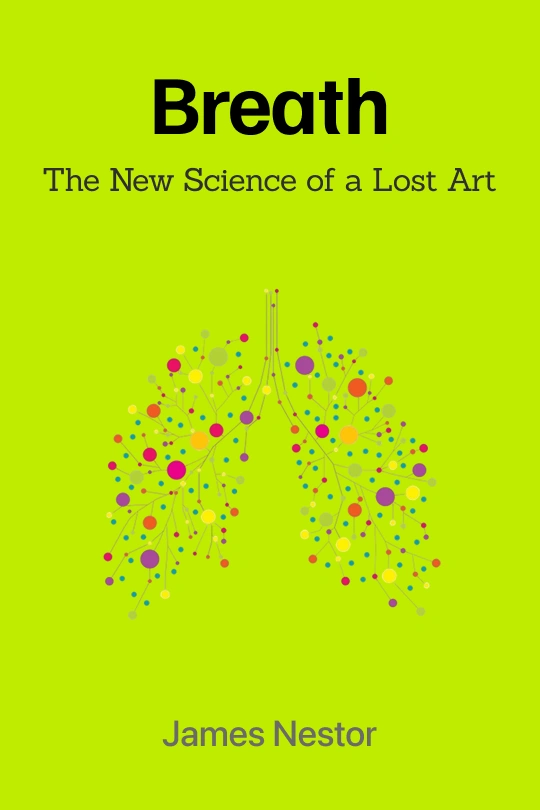
Breath: The New Science of a Lost Art
James Nestor

Out of Control
Kevin Kelly

The Almanack of Naval Ravikant
Naval Ravikant, Eric Jorgenson
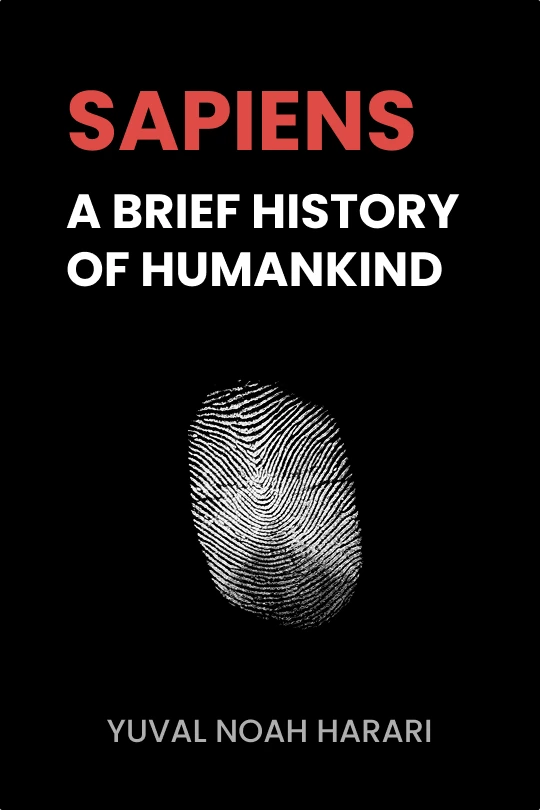
Sapiens: A Brief History of Humankind
Yuval Noah Harari
The Norwegian Method
Brad Culp
The Creative Habit
Twyla Tharp, Mark Reiter