
How Not to Die: Discover the Foods Scientifically Proven to Prevent and Reverse Disease
"A whole-food, plant-based diet is the most powerful, scientifically-validated tool to prevent and reverse our leading chronic diseases."
- 1Prioritize whole plant foods over processed alternatives. The nutritional synergy in unrefined plants—fruits, vegetables, legumes, whole grains, nuts, and seeds—provides a complex defense against chronic inflammation and cellular damage that isolated supplements cannot replicate.
- 2Target dietary choices to specific health threats. Scientific evidence links specific foods to combating particular diseases: flaxseed for hormonal cancers, hibiscus tea for hypertension, and coffee for liver inflammation, moving nutrition from general advice to targeted intervention.
- 3Adopt the Daily Dozen as a nutritional checklist. Greger's framework of twelve food categories to consume daily ensures a comprehensive intake of protective nutrients, fiber, and phytochemicals, simplifying the path to a optimally defensive diet.
- 4Understand that most doctors lack nutritional training. The medical establishment is structured to treat acute illness with pharmaceuticals and surgery, not to prevent chronic disease through lifestyle, creating a critical knowledge gap patients must fill themselves.
- 5Recognize that food quality fundamentally trumps calorie quantity. The metabolic and hormonal responses elicited by nutrient-dense plants promote health and satiety in a way that mere calorie counting cannot, addressing the root causes of weight gain and disease.
- 6Leverage diet to influence cellular aging and longevity. Emerging research suggests a plant-based diet can positively affect telomere length and telomerase activity, indicating that food choices directly impact the biological mechanisms of aging at the cellular level.
How Not to Die operates on a foundational and urgent premise: the vast majority of premature deaths from chronic disease are not inevitable but are preventable, and often reversible, through dietary choices. Dr. Michael Greger, a physician and founder of NutritionFacts.org, systematically dismantles the fatalistic acceptance of diseases like heart disease, diabetes, and various cancers as genetic or age-related inevitabilities. Instead, he posits that these conditions are largely lifestyle-induced, with nutritional intervention holding more power than conventional medicine typically acknowledges.
The book's first section is a forensic examination of the fifteen leading causes of death in the modern world. For each ailment—from coronary heart disease and lung cancer to diabetes and hypertensive disease—Greger meticulously reviews the scientific literature to identify foods and dietary patterns with proven preventive and therapeutic effects. He details how flaxseed can modulate hormone levels implicated in prostate and breast cancers, how hibiscus tea can outperform certain hypertensive drugs, and how the potent anti-inflammatory properties of a diet centered on plants can halt the progression of atherosclerosis.
The second part shifts from disease-specific defense to a proactive, holistic dietary architecture. Here, Greger introduces his "Daily Dozen," a practical checklist of food categories—from berries and cruciferous vegetables to spices and whole grains—designed to ensure a daily influx of the most protective compounds nature offers. This section demystifies the biochemistry of health, explaining the roles of specific phytochemicals, antioxidants, and fibers without reducing nutrition to simplistic nutrient-counting.
Ultimately, the book is a monumental work of translational science, bridging the gap between dense academic research and actionable public knowledge. It serves as an empowering manifesto for anyone seeking to take control of their health destiny, arguing convincingly that the most profound medical interventions may not be found in a pill bottle but on our plates. Its legacy is in equipping readers with evidence-based dietary tools to combat the chronic disease epidemic, positioning food as both the primary cause and the most potent cure.
The reader consensus is one of transformative admiration, hailing the book as a meticulously researched and life-altering guide. Readers are profoundly impressed by the sheer volume of cited scientific evidence, which grants the dietary prescriptions undeniable authority and separates it from faddish wellness literature. The primary critique, echoed by a smaller contingent, targets the absolute nature of its whole-food, plant-based mandate, which some find dauntingly restrictive or difficult to implement fully in practice. Nonetheless, it is widely celebrated as an accessible, empowering, and definitive text on preventive nutrition.
- 1The overwhelming depth of scientific references and research backing every claim, which readers cite as the book's greatest strength and source of credibility.
- 2Debates over the practicality and strictness of the recommended whole-food, plant-based diet, with some finding it liberating and others challenging to maintain.
- 3The revelation that medical professionals receive little to no nutritional training, a point that shocks readers and underscores the book's necessity.
- 4High praise for the structured 'Daily Dozen' checklist, which many find to be the most actionable and helpful tool for implementing the book's advice.

Out of Control
Kevin Kelly
Breakthrough: The Quest for Life-Changing Medicines
Dr William Pao

Outliers: The Story of Success
Malcolm Gladwell

Just Listen: Discover the Secret to Getting Through to Absolutely Anyone
Mark Goulston

The Norwegian Method
Brad Culp
The Crash Course
Chris Martenson

Permanent Record
Edward Snowden

The Intelligent Investor
Benjamin Graham
Transformation in Christ
Dietrich Von Hildebrand

Code: The Hidden Language of Computer Hardware and Software
Charles Petzold

The Road to Financial Freedom
Bodo Schäfer
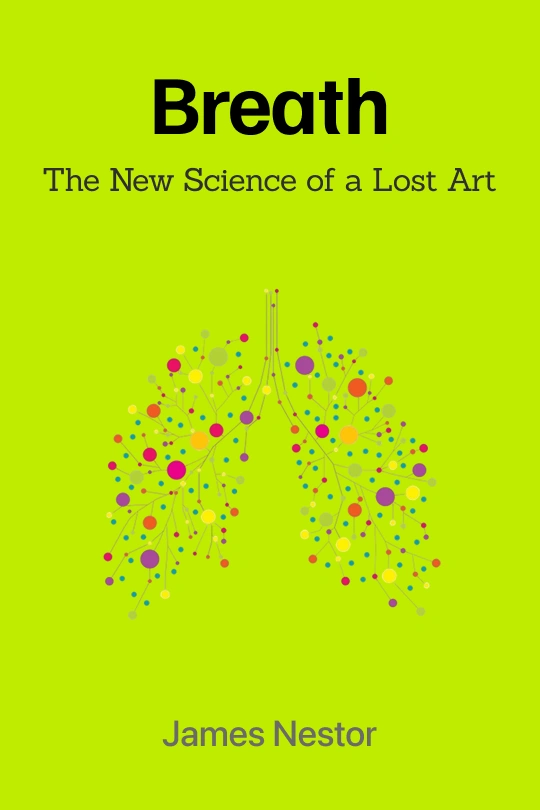
Breath: The New Science of a Lost Art
James Nestor