
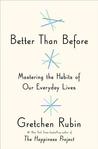
Better Than Before: Mastering the Habits of Our Everyday Lives
"Decode your personality's tendency to build habits that finally stick, transforming daily life through invisible architecture."
- 1Identify your core tendency to unlock effective habit formation. The Four Tendencies framework—Upholder, Questioner, Obliger, Rebel—reveals why standard advice fails. Tailoring strategies to your innate response to expectations eliminates friction and makes change sustainable.
- 2Design habit strategies that align with your specific tendency. Obligers need external accountability, Rebels require choice and identity alignment, Questioners demand logic, and Upholders thrive on schedules. Mismatched strategies guarantee failure regardless of willpower.
- 3Recognize and dismantle the mental loopholes that sabotage progress. Common excuses like 'tomorrow logic,' 'false emergency,' or 'identity justification' provide temporary relief but perpetuate bad habits. Identifying these patterns is the first step to disarming them.
- 4Leverage monitoring and foundation habits as keystone behaviors. Simply tracking a behavior often improves it. Establishing foundational habits like sleep, movement, and nutrition creates stability, making subsequent habit adoption easier and more automatic.
- 5Distinguish between moderation and abstinence for temptation. For some habits, particularly those involving addiction or deep craving, abstinence proves simpler than moderation. Knowing which strategy suits your psychology prevents exhausting negotiations with yourself.
- 6Schedule and concretize habits to bypass decision fatigue. Habits gain strength through specificity and repetition. Deciding in advance—the 'when' and 'where'—removes the daily mental debate, conserving cognitive resources for more complex decisions.
Gretchen Rubin’s Better Than Before moves beyond the simplistic willpower narrative of habit change to offer a nuanced, personality-driven framework. It posits that habits constitute the invisible architecture of daily life, the repeated behaviors that silently shape our health, productivity, and happiness. The central challenge isn't a lack of desire but a misapplication of generic strategies. Rubin argues that universal advice fails because it ignores individual differences in how people perceive and respond to expectations, both internal and external.
At the heart of the book is Rubin's Four Tendencies framework, a diagnostic tool born from her observation that people fall into four categories: Upholders (meet inner and outer expectations), Questioners (resist outer but meet inner expectations they deem logical), Obligers (meet outer but struggle with inner expectations), and Rebels (resist all expectations). This taxonomy provides the critical lens through which all subsequent advice is filtered. The book then explores practical strategies—monitoring, scheduling, pairing, and convenience—demonstrating how each tendency must adapt these tools differently.
Rubin delves into the psychology of self-sabotage, cataloging the 'loopholes' we use to excuse ourselves from good habits, from 'moral licensing' to 'false emergency.' She examines the pivotal role of foundational habits like sleep and the strategic choice between moderation and abstinence. Throughout, the narrative is grounded in Rubin's self-experimentation, case studies, and a synthesis of behavioral science, presented not as academic theory but as actionable insight.
Ultimately, Better Than Before serves as a manual for self-knowledge. Its significance lies in shifting the focus from the habit itself to the person forming it. The book targets anyone frustrated by cyclical resolutions and seeks a sustainable, personalized path to change, offering not a rigid prescription but a flexible system for building a life that feels both productive and authentic.
The consensus praises the book's actionable Four Tendencies framework as a revelatory tool for self-understanding, with many readers experiencing immediate clarity about past failures. However, a significant critical faction finds the tone excessively self-referential and the content repetitive, arguing that the central insight is stretched thin across the book's length. While deemed highly accessible and useful for beginners in habit literature, some seasoned readers of behavioral psychology consider it lightweight.
- 1The revelatory utility of the Four Tendencies quiz versus criticism of its oversimplification of human psychology.
- 2Debate over the book's repetitive structure and whether the core idea justifies its full length.
- 3Frustration with the author's frequent personal anecdotes, seen as either relatable or self-indulgent.

Just Listen: Discover the Secret to Getting Through to Absolutely Anyone
Mark Goulston

The Artist's Way
Julia Cameron

Bad Samaritans
Ha-Joon Chang

The Road to Financial Freedom
Bodo Schäfer

Sapiens: A Brief History of Humankind
Yuval Noah Harari

Transformation in Christ
Dietrich Von Hildebrand
Stumbling on Happiness
Daniel Gilbert
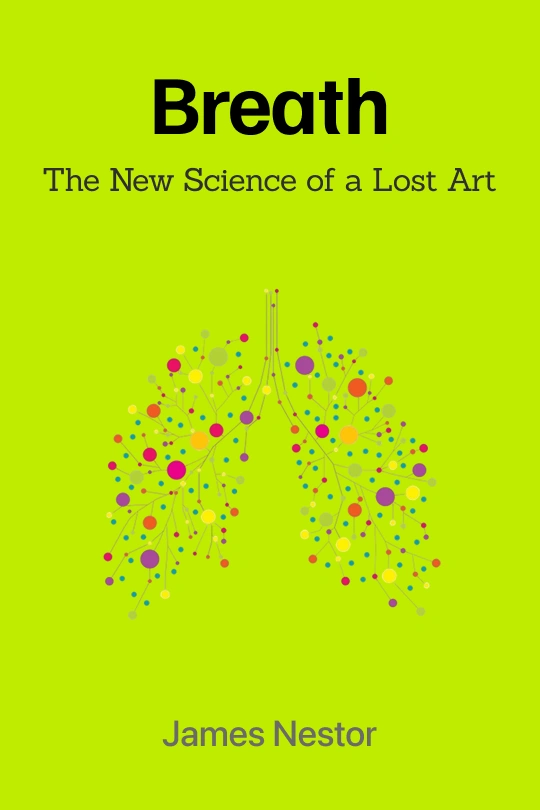
Breath: The New Science of a Lost Art
James Nestor
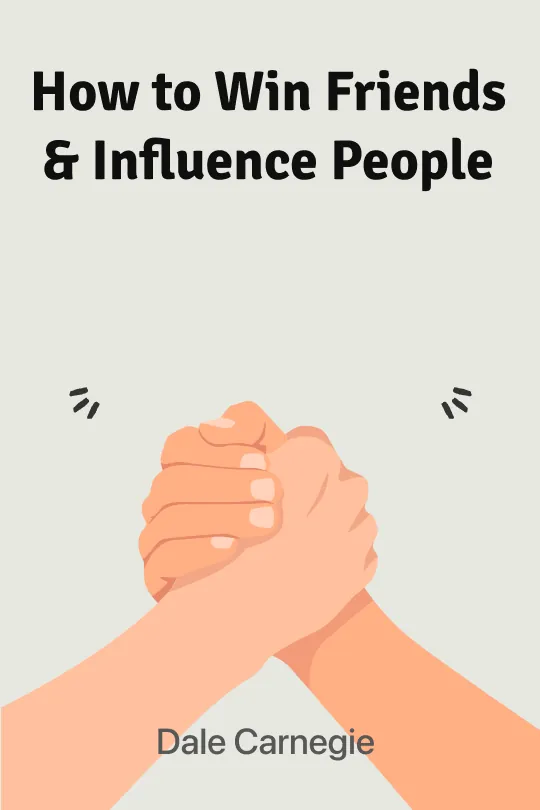
How to Win Friends & Influence People
Dale Carnegie

Chip War: The Quest to Dominate the World's Most Critical Technology
Chris Miller
Boom: Bubbles and the End of Stagnation
Byrne Hobart
The Norwegian Method
Brad Culp