
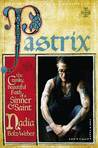
Pastrix: The Cranky, Beautiful Faith of a Sinner & Saint
"A profane, tattooed pastor reclaims a broken faith for the cynical, the addicted, and the spiritually homeless."
- 1God dwells in the profane, messy middle of human suffering. Divine presence is not found in sanitized piety but in the raw, mascara-streaked moments of grief and failure. The cross represents God's solidarity with human pain, not a distant theological answer to it.
- 2Grace is for the flawed, not the morally polished. Authentic faith embraces the addict, the cynic, and the asshole. The kingdom of heaven is populated by the unclean and found in the unexpected corners of life we deem irredeemable.
- 3Reject spiritual performance for cranky, honest relationship. True prayer can be as blunt as 'God, help me not be an asshole.' Faith stripped of pretense allows for doubt, anger, and humor as valid components of a dialogue with the divine.
- 4Holding onto anger ultimately feeds the evil it opposes. Unresolved retaliation harms the innocent who love us. The cycle of pain is broken not by vengeance but by recognizing how our cherished wounds perpetuate the very damage we condemn.
- 5Reclaim and redefine the language of your tradition. The derogatory term 'pastrix' becomes a badge of honor. This act symbolizes a larger theological project: taking back faith from gatekeepers and restoring its vitality for the marginalized.
Nadia Bolz-Weber’s Pastrix is a spiritual memoir that detonates the conventions of its genre. It charts the unlikely journey of a foul-mouthed, heavily tattooed former stand-up comic and recovering alcoholic into the pulpit of a Lutheran church. This is not a story of gradual sanctification but of a cranky, beautiful faith that insists God’s grace is most potent in the places we least expect to find it—in the smoke-filled rooms of comedy clubs and AA meetings, amidst the wreckage of personal failure, and within communities of fellow strugglers.
Bolz-Weber constructs her narrative as a series of theological rants and vulnerable confessions, weaving together stories from a childhood in a fundamentalist church, years adrift in a commune of hopeful slackers, and the hard-won sobriety that reoriented her life. The book argues that the Christian gospel is fundamentally a story for those who know they are broken, not for those who pretend to be whole. Her theology is incarnational and earthy, positing that God, in Jesus, entered the specific, grimy reality of human existence and never left.
The central, disruptive claim of Pastrix is that the kingdom of heaven is already at hand, here in the flawed present. It is found not in stained-glass sanctity but in the daily, imperfect practice of community, service, and honest prayer. Bolz-Weber ministers to and from the 'unclean'—the addicts, the cynics, the LGBTQ+ community, the doubters—offering a vision of faith that embraces paradox: one can be both sinner and saint, faithful and furious, certain only of God’s stubborn presence.
This book’s significance lies in its radical accessibility and its challenge to institutional piety. It serves as a lifeline for those alienated by polished, judgmental religiosity and a provocative critique for those within the church. Pastrix carves out a space for a theology of grit and grace, arguing that a faith worth having must be able to withstand the weight of real life, profanity, tattoos, and all.
Readers celebrate the book’s raw honesty and profane grace, finding it a profound antidote to sanitized religiosity. The consensus hails Bolz-Weber’s unique voice—both hilarious and theologically sharp—as a revelation for the spiritually disenfranchised. Criticisms are rare but occasionally note a stylistic brashness that can distract. The overwhelming verdict is that this memoir delivers a potent, life-affirming message of inclusion and hope, regardless of the reader’s personal faith background.
- 1The book's use of profanity and blunt language as a legitimate, refreshing vehicle for profound theological insight.
- 2Bolz-Weber's embodiment of a faith that embraces outcasts, addicts, and cynics, challenging exclusionary church cultures.
- 3The resonance of her 'cranky spirituality' with those wounded by or disillusioned with traditional religious institutions.
- 4The theological depth underlying the memoir's accessible and often humorous storytelling style.
The Essays of Warren Buffett: Lessons for Corporate America
Lawrence A. Cunningham, Warren Buffett
Sapiens: A Brief History of Humankind
Yuval Noah Harari

Permanent Record
Edward Snowden
The Road to Financial Freedom
Bodo Schäfer

The Intelligent Investor
Benjamin Graham
The Book of Basketball: The NBA According to The Sports Guy
Bill Simmons
Transformation in Christ
Dietrich Von Hildebrand

Code: The Hidden Language of Computer Hardware and Software
Charles Petzold
Breath: The New Science of a Lost Art
James Nestor
The Crash Course
Chris Martenson
Breakthrough: The Quest for Life-Changing Medicines
Dr William Pao
The Art of Contrarian Trading
Carl Futia