
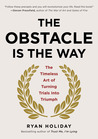
The Obstacle Is the Way: The Timeless Art of Turning Trials into Triumph
"Transforms every barrier into the precise path forward through disciplined perception, action, and will."
- 1[object Object]
- 2[object Object]
- 3[object Object]
- 4[object Object]
- 5[object Object]
Ryan Holiday’s The Obstacle Is the Way resurrects a core Stoic maxim, attributed to Marcus Aurelius, as a practical manual for modern achievement. It argues that the very barriers we perceive as blockades are, in fact, the hidden curriculum for success. The book positions itself not as abstract philosophy but as a field-tested formula, tracing its application through a diverse pantheon of historical figures—from the relentless perseverance of Ulysses S. Grant to the visionary grit of Steve Jobs—who consciously used hardship as their primary strategic advantage.
The methodology is structured into a tripartite framework: Perception, Action, and Will. The initial discipline of Perception demands stripping away emotional panic and subjective judgment to see the obstacle with cold, objective clarity. This unclouded view is the prerequisite for the second phase: Action. Here, the book advocates for focused, persistent, and creative effort directed at the problem’s pressure points, emphasizing that grand obstacles are overcome through a series of small, deliberate steps rather than a single heroic leap.
The final pillar, Will, is the internal fortress. It is the cultivation of an inner resolve that accepts what cannot be changed while maintaining an unwavering commitment to forward momentum. Holiday distinguishes this from mere optimism; it is a form of amor fati—the love of one’s fate—that transforms endurance into a source of power. The narrative is punctuated with illustrative anecdotes from history, business, and sports, each serving as a case study in applying this timeless triad.
Ultimately, the book serves as a bridge between ancient wisdom and contemporary ambition. It targets entrepreneurs, athletes, artists, and anyone facing professional or personal impediments, offering a non-dogmatic, actionable philosophy. Its legacy lies in democratizing Stoicism, presenting it not as a retreat from the world but as the ultimate toolkit for engaging with it more effectively, turning every trial into the raw material for triumph.
Readers broadly praise the book for its actionable distillation of Stoic philosophy, finding its three-part framework of Perception, Action, and Will to be a clear and immediately applicable guide for real-world challenges. The historical examples are cited as compelling evidence of the principles' efficacy. A recurring critique, however, centers on a perceived repetitiveness in the argumentation and a sense that the core insight, while powerful, is stretched thinly across the full length. The consensus is that it succeeds brilliantly as an accessible primer and motivational tool, particularly for those new to these ideas, even if some find its execution occasionally redundant.
- 1The practical application of Stoic philosophy to modern business and career challenges, moving it from theory to actionable strategy.
- 2Debate over the book's depth versus its accessibility, with some finding it repetitive and others valuing its clear, motivational structure.
- 3The effectiveness of using historical biographies as concrete proof for the book's central 'obstacle as way' thesis.

The Intelligent Investor
Benjamin Graham
The Creative Habit
Twyla Tharp, Mark Reiter
Stumbling on Happiness
Daniel Gilbert

Permanent Record
Edward Snowden
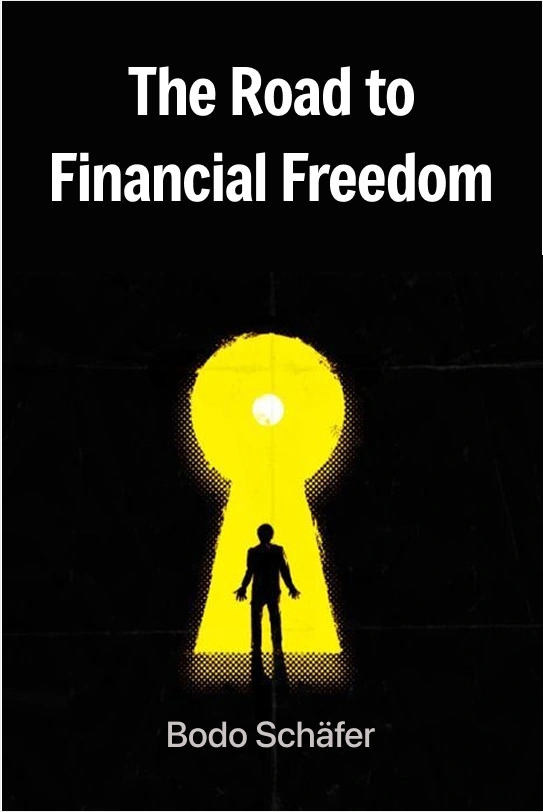
The Road to Financial Freedom
Bodo Schäfer
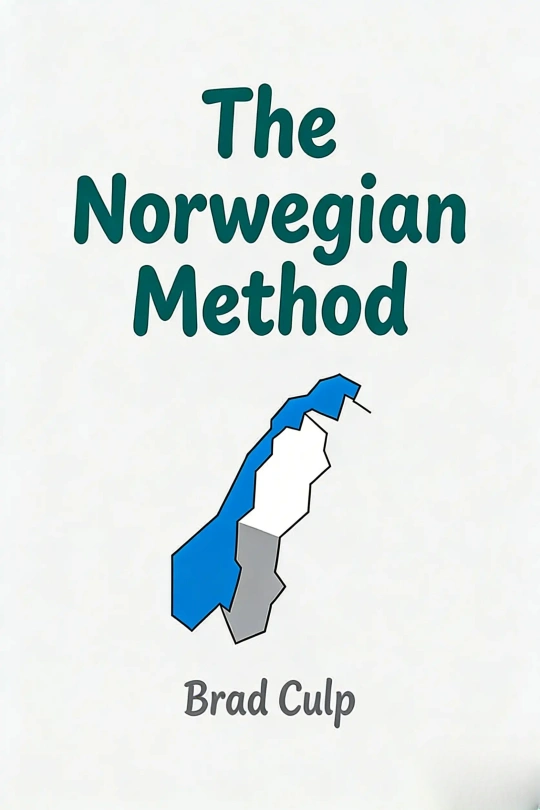
The Norwegian Method
Brad Culp
The Art of Contrarian Trading
Carl Futia
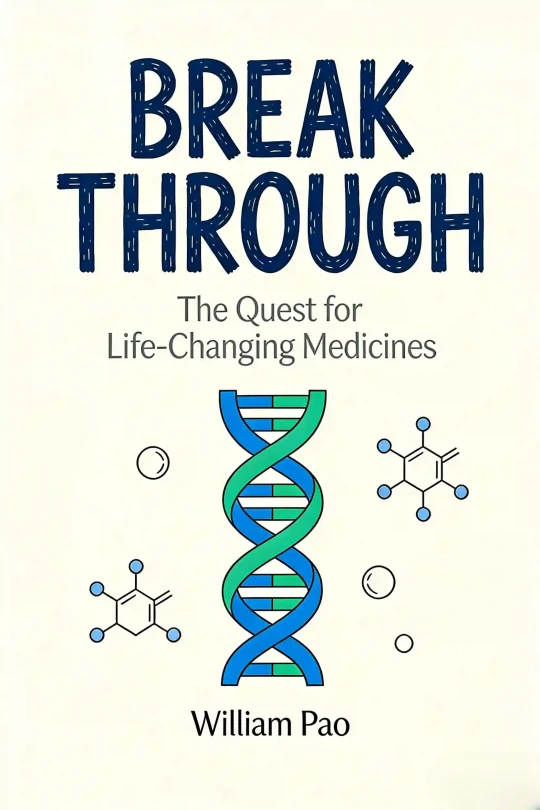
Breakthrough: The Quest for Life-Changing Medicines
Dr William Pao

The Artist's Way
Julia Cameron
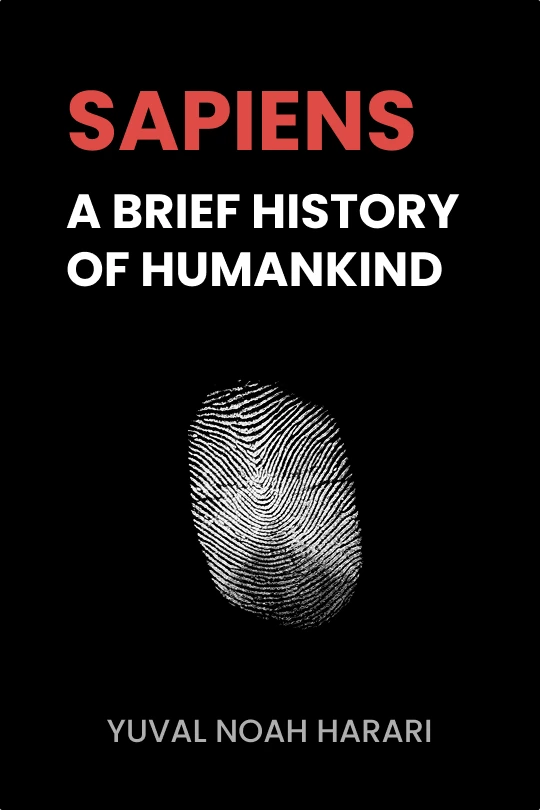
Sapiens: A Brief History of Humankind
Yuval Noah Harari
The Essays of Warren Buffett: Lessons for Corporate America
Lawrence A. Cunningham, Warren Buffett
Breath: The New Science of a Lost Art
James Nestor