
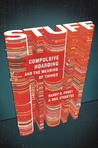
Stuff: Compulsive Hoarding and the Meaning of Things
"A profound investigation into how our deepest attachments to objects can consume identity and living space."
- 1Hoarding is a distinct psychological disorder, not mere disorganization. Clinical research establishes hoarding as a unique condition characterized by pathological acquisition, difficulty discarding, and clutter that impairs living spaces. It stems from complex cognitive and emotional vulnerabilities, not laziness.
- 2Objects become extensions of the self and memory. For the hoarder, possessions are imbued with intense personal significance, serving as tangible anchors for identity and past experiences. Discarding an item feels like erasing a part of the self or losing a future possibility.
- 3Perceived utility and catastrophic waste drive acquisition. Hoarders see potential value and utility in nearly every object, fearing they will need it later or that discarding it constitutes an irredeemable loss. This distorted cost-benefit analysis fuels endless saving.
- 4Information processing deficits underlie the behavior. Many hoarders exhibit challenges with categorization, decision-making, and attentional focus. Overwhelmed by the task of organizing, they retreat into passive accumulation, creating 'goat trails' through their homes.
- 5The behavior exists on a continuum affecting nearly everyone. The impulses driving hoarding—sentimental attachment, fear of waste, desire to collect—are universal human traits. The disorder represents an extreme on a spectrum of human relationships with material possessions.
- 6Intervention requires compassion, not coercion. Effective treatment must address the underlying emotional and cognitive patterns, not just forcibly clear clutter. Understanding the meaning behind the stuff is crucial for lasting change and reducing profound shame.
In 'Stuff: Compulsive Hoarding and the Meaning of Things,' psychologists Randy O. Frost and Gail Steketee pioneer the clinical and phenomenological study of compulsive hoarding, transforming it from a moral failing or eccentricity into a recognized psychological disorder. Through a series of vivid, Oliver Sacks-like case studies, they introduce us to individuals whose lives have been overtaken by their possessions: Irene, whose hoarding destroyed her marriage; Ralph, whose house was nearly condemned due to imagined uses for broken items; and others navigating homes reduced to narrow pathways through towering piles.
Frost and Steketee meticulously dissect the three core components of hoarding: pathological acquisition, profound difficulty discarding, and debilitating clutter. They explore the cognitive architecture of the hoarder's mind, revealing deficits in information processing, categorization, and decision-making that turn simple acts of organization into paralyzing ordeals. The narrative delves into the emotional logic of accumulation, where every scrap of paper, empty container, or outgrown garment is saturated with personal meaning, potential utility, or the fear of catastrophic loss.
The work situates hoarding within broader human behavior, arguing that the impulses behind it—sentimental attachment, collecting, saving for a hypothetical future—are universal, merely amplified to a pathological degree. The authors examine the role of trauma, genetics, and brain function, while also considering the social isolation and profound shame experienced by sufferers, often hidden behind closed doors until a crisis forces intervention.
Ultimately, 'Stuff' is more than a clinical text; it is a profound anthropological inquiry into the human relationship with the material world. It challenges readers to examine their own attachments and clutter, offering a lens through which to understand a deeply misunderstood condition. Its legacy lies in founding a field of study, informing therapeutic approaches, and fostering a more compassionate public discourse around a disorder that affects millions.
Readers are captivated by the book's empathetic, clinical depth, praising its transformation of hoarding from a spectacle into a comprehensible psychological condition. The compelling case studies are frequently highlighted as both heartbreaking and illuminating. A common critique notes the prose can occasionally feel repetitive or overly academic in sections, desiring more narrative drive. Overall, it is regarded as the definitive, accessible entry point into understanding the complex mind of a hoarder.
- 1Personal resonance and self-reflection: readers examining their own saving habits and 'clutter thresholds' after reading the clinical descriptions.
- 2The ethical line between compassionate understanding and enabling, especially regarding interventions with family members.
- 3Comparison to reality TV shows like 'Hoarders,' with debates on the book's more nuanced versus the shows' sensationalized portrayal.
The Artist's Way
Julia Cameron
Boom: Bubbles and the End of Stagnation
Byrne Hobart

Permanent Record
Edward Snowden
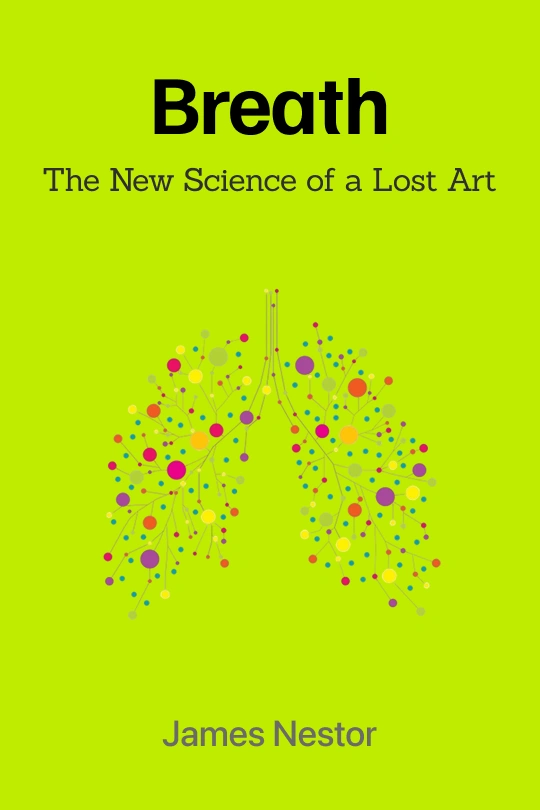
Breath: The New Science of a Lost Art
James Nestor
Out of Control
Kevin Kelly
The Essays of Warren Buffett: Lessons for Corporate America
Lawrence A. Cunningham, Warren Buffett

The Almanack of Naval Ravikant
Naval Ravikant, Eric Jorgenson

Breakthrough: The Quest for Life-Changing Medicines
Dr William Pao

The Intelligent Investor
Benjamin Graham
The Norwegian Method
Brad Culp

The Road to Financial Freedom
Bodo Schäfer
Just Listen: Discover the Secret to Getting Through to Absolutely Anyone
Mark Goulston