
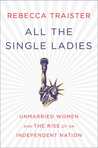
All the Single Ladies: Unmarried Women and the Rise of an Independent Nation
"The unprecedented rise of unmarried women is not a crisis but a transformative force reshaping American society."
- 1Single womanhood is a powerful historical and political force. When women have options beyond early marriage, they have driven monumental social movements, from abolition to suffrage, leveraging their autonomy to demand systemic change.
- 2Delayed marriage is a consequence of expanded economic and educational access. The ability to earn, own property, and pursue higher education has liberated women from the economic necessity of marriage, fundamentally altering life timelines and priorities.
- 3Independence redefines family, friendship, and community structures. Unmarried women create vital support networks outside traditional nuclear families, forging chosen families and deepening platonic bonds that provide emotional and practical sustenance.
- 4The single woman is not a monolithic category. Experiences of singlehood are profoundly shaped by intersections of race, class, and sexual orientation, challenging any simplistic narrative about women's lives.
- 5Autonomy fosters personal and societal evolution. The time and space afforded by single life allows for profound self-discovery, which in turn cultivates a citizenry more capable of critical thought and civic engagement.
- 6The demographic shift pressures institutions to adapt. From workplace policies to housing and healthcare, the growing population of unmarried women demands systemic recognition and accommodation of their needs and realities.
Rebecca Traister’s All the Single Ladies reframes the contemporary conversation around unmarried women, moving it from a discourse of panic to one of profound historical significance. The book opens with a startling demographic fact: by 2009, for the first time in American history, the majority of adult women were unmarried. Traister positions this not as a symptom of social decay, but as the culmination of a long, often suppressed history of female autonomy, with the potential to reshape the nation’s political, economic, and emotional landscape.
Traister meticulously traces this lineage, excavating the stories of 19th and 20th-century women—from the unmarried “spinsters” who fueled the abolition and temperance movements to the pioneering educators and reformers—who used their independence from marital obligations as a platform for activism and innovation. She argues that periods where women had viable alternatives to early marriage have consistently correlated with waves of progressive social change. The book then pivots to the modern era, examining how the Pill, expanded educational access, and evolving labor markets created the conditions for today’s demographic revolution.
Through extensive interviews and research, the narrative explores the multifaceted reality of single life across race, class, and sexuality. It delves into the economic precarity and freedom, the reconfiguration of friendship into chosen family, the complex politics of dating and reproduction, and the persistent cultural stigma that single women navigate. Traister illustrates how this life stage, whether temporary or permanent, serves as a crucial period for identity formation and ambition.
Ultimately, the book is a work of ambitious social history and sharp contemporary analysis. It is essential reading for understanding not just a demographic trend, but a fundamental shift in the architecture of American life. Traister documents how the choices of single women force a reevaluation of everything from workplace policy and urban design to the very definition of family, arguing that their collective independence is forging a more equitable and dynamic nation.
The critical consensus celebrates the book as a validating and essential work of social history, praised for its rigorous research, inclusive intersectional analysis, and engaging narrative style. Readers, particularly unmarried women, express profound personal resonance, describing it as intellectually empowering and a corrective to pervasive cultural stigma. Criticisms are minor, focusing on a desire for more quantitative data or deeper exploration of the experiences of specific subgroups, but these do not detract from the overwhelming view of the book as a landmark and transformative read.
- 1The book's personal resonance and validation for unmarried women, described as a relief from societal pressure and a framework for understanding their own lives.
- 2Appreciation for the inclusive intersectional analysis that examines how race, class, and sexuality shape diverse experiences of singlehood.
- 3Discussions on the historical tracing of single women's political power, linking past activists to contemporary social movements.
- 4Debates on the economic dimensions of single life, balancing the celebrated autonomy against real financial precarity and challenges.
The Crash Course
Chris Martenson
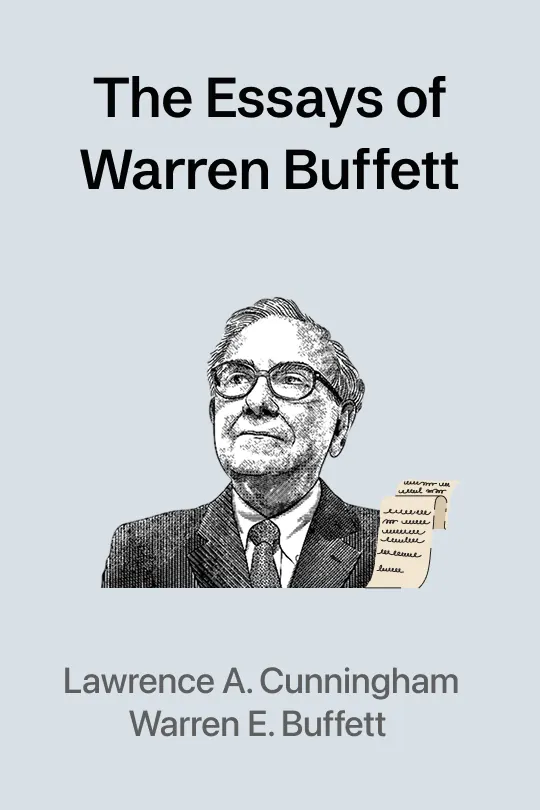
The Essays of Warren Buffett: Lessons for Corporate America
Lawrence A. Cunningham, Warren Buffett

Amusing Ourselves to Death: Public Discourse in the Age of Show Business
Neil Postman

Permanent Record
Edward Snowden
The Lessons of History
Will Durant
The Psychology of Money: Timeless Lessons on Wealth, Greed, and Happiness
Morgan Housel
Transformation in Christ
Dietrich Von Hildebrand
Out of Control
Kevin Kelly
Radical Markets: Uprooting Capitalism and Democracy for a Just Society
Eric A. Posner, E. Glen Weyl
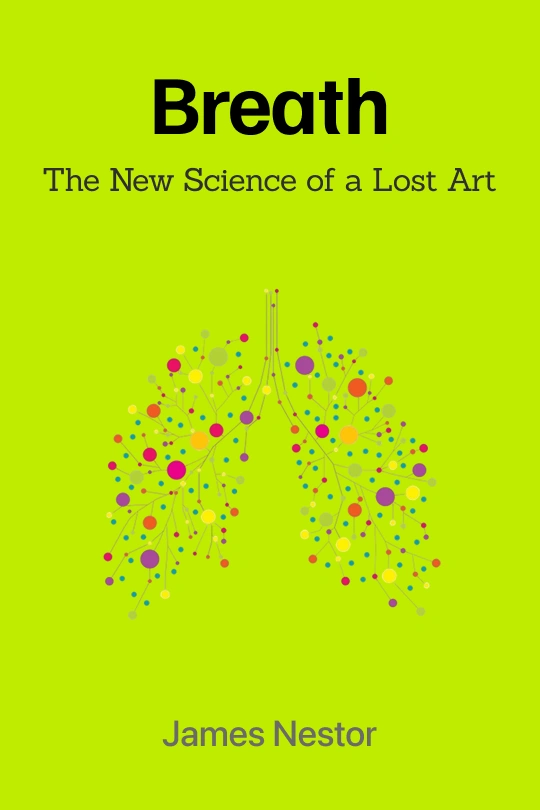
Breath: The New Science of a Lost Art
James Nestor
Stumbling on Happiness
Daniel Gilbert
Bad Samaritans
Ha-Joon Chang