

Start-up Nation: The Story of Israel's Economic Miracle
"A nation forged in adversity transforms existential threats into a global engine of disruptive innovation."
- 1[object Object]
- 2[object Object]
- 3[object Object]
- 4[object Object]
- 5[object Object]
Start-up Nation confronts one of the most compelling economic puzzles of the modern era: how a small, young country, perpetually embattled and devoid of natural resources, generates a disproportionate number of world-changing startups. Israel’s output rivals that of far larger, more stable economies, suggesting its model is not a fluke but a replicable system. The book positions this miracle not as a story of luck, but as the direct outcome of a unique societal architecture designed under duress.
Senor and Singer trace this competitive edge to several interlocking pillars. The first is the transformative role of the Israel Defense Forces, particularly its elite intelligence and technology units. Here, conscripted youths receive intensive, real-world training in advanced fields, forging deep bonds of trust and a bias for action that later fuel entrepreneurial ventures. The second is a cultural ethos of ‘chutzpah’—a deliberate informality that encourages challenging superiors and failing fast, flattening organizational hierarchies that stifle innovation elsewhere.
The analysis extends to deliberate state policy, notably the Yozma program, which used public funds to lure foreign venture capital, creating a thriving, private investment ecosystem. Furthermore, the book examines how Israel’s need for self-reliance in agriculture, defense, and water technology created exportable expertise in niche, high-value sectors. This is framed within the context of global immigration, particularly the influx of highly skilled Soviet Jews in the 1990s, which provided a sudden surge of engineering talent.
Ultimately, the book argues that Israel’s success is a blueprint for any nation or organization seeking resilience in uncertainty. It demonstrates how existential threats can be systematically channeled into economic vitality, making the case that the traits forged for survival—adaptability, networked trust, and relentless questioning—are the very ones that dominate in the global innovation economy. Its lessons are targeted at policymakers, business leaders, and anyone interested in the dynamics of growth under constraint.
The critical consensus celebrates the book's compelling central thesis and insightful case studies, finding its exploration of military-civilian technology transfer and the culture of 'chutzpah' particularly persuasive. However, a significant contingent of readers criticizes the analysis for being overly celebratory, glossing over the role of substantial U.S. foreign aid and the socioeconomic inequalities within Israel. The writing is generally deemed accessible and engaging for a broad audience, though some note a repetitive narrative structure in later chapters.
- 1Debate over the primary driver: Is it the IDF's training or a unique cultural 'chutzpah' that most explains Israel's innovation density?
- 2Scrutiny of the book's perceived bias, with critics arguing it overlooks the impact of American financial aid and the Palestinian conflict.
- 3Discussion on the global applicability of the 'Start-up Nation' model to other countries with different cultures and political contexts.
- 4Analysis of the role of diaspora networks, particularly from Russia and the United States, in providing capital and market access.
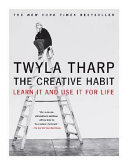
The Creative Habit
Twyla Tharp, Mark Reiter

The Road to Financial Freedom
Bodo Schäfer
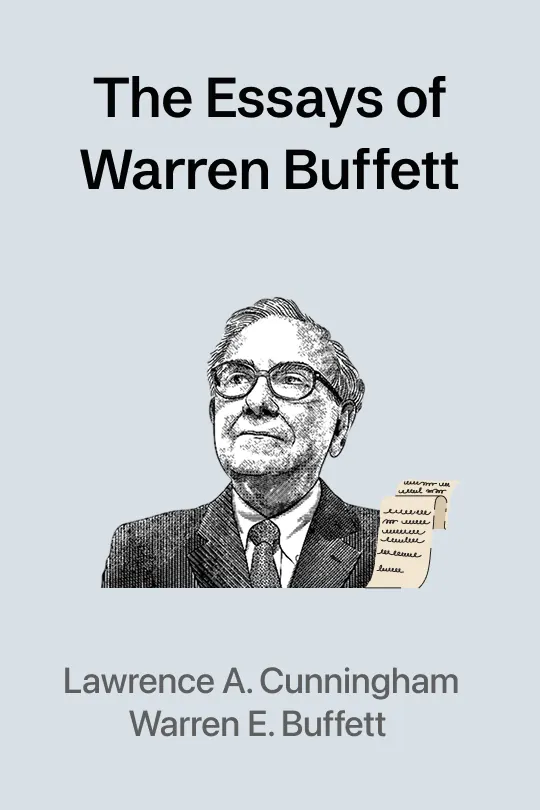
The Essays of Warren Buffett: Lessons for Corporate America
Lawrence A. Cunningham, Warren Buffett

The Intelligent Investor
Benjamin Graham

Sapiens: A Brief History of Humankind
Yuval Noah Harari

Chip War: The Quest to Dominate the World's Most Critical Technology
Chris Miller

Boom: Bubbles and the End of Stagnation
Byrne Hobart

The Art of Contrarian Trading
Carl Futia

The Artist's Way
Julia Cameron
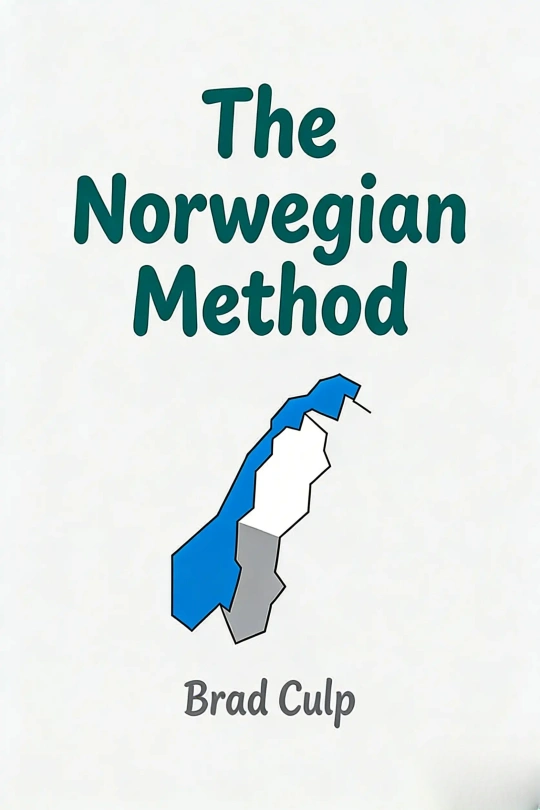
The Norwegian Method
Brad Culp

Just Listen: Discover the Secret to Getting Through to Absolutely Anyone
Mark Goulston

Permanent Record
Edward Snowden