

The Element: How Finding Your Passion Changes Everything
"Discover the profound transformation that occurs when innate talent converges with deep personal passion."
- 1The Element is the convergence of aptitude and passion. True fulfillment emerges not from talent or interest alone, but from the specific point where natural ability meets deep personal enthusiasm. This intersection creates a state of flow and purpose.
- 2Conventional education often suppresses natural aptitudes. Standardized academic systems frequently pathologize divergent thinking and kinetic intelligence, medicating or marginalizing creative energies that do not conform to traditional classroom expectations.
- 3Finding your element requires both attitude and opportunity. Personal discovery depends on one's willingness to explore and experiment, but also on the presence of mentors, communities, and environments that recognize and nurture latent potential.
- 4Creativity is a disciplined practice, not a mystical gift. Innovation stems from applying imagination within a specific domain, developing skills through persistent effort. It is a mode of operation available to anyone who cultivates it.
- 5Age is not a barrier to discovering your element. The journey of self-discovery can begin at any life stage. Many find their core passion through later-life exploration, reinvention, or by recontextualizing earlier experiences.
- 6Transform your life by aligning vocation with avocation. Radical personal and professional fulfillment comes from integrating what you love with what you do, thereby erasing the distinction between work and play.
In an era defined by accelerating change and profound uncertainty, Sir Ken Robinson presents a compelling manifesto for personal and societal transformation. The Element argues that navigating the future demands not merely more information, but a fundamental rediscovery of human capacity. The central premise identifies "the Element" as the essential nexus where natural talent meets deep personal passion—a state of being that unlocks extraordinary creativity, fulfillment, and achievement. This concept serves as both a personal compass and a critique of institutional structures that routinely stifle such discovery.
Robinson builds his case through a vibrant tapestry of biographical anecdotes and case studies, ranging from iconic figures like Paul McCartney and Meg Ryan to choreographer Gillian Lynne and Simpsons creator Matt Groening. These narratives illustrate the diverse, often non-linear paths to finding one's element, frequently involving serendipity, mentorship, and the courage to defy conventional expectations. The book systematically explores the core components of this discovery: aptitude, a natural proficiency for something; passion, the profound love for doing it; attitude, the personal perspectives shaping our journey; and opportunity, the circumstances that allow the first three to flourish.
The analysis extends beyond individual stories to examine the cultural and educational paradigms that hinder this process. Robinson delivers a pointed critique of industrialized education systems that prioritize conformity over creativity, academic intelligence over diverse forms of genius, and standardized testing over personalized development. He argues that this institutional myopia wastes vast reservoirs of human talent, medicating kinetic learners as problems rather than cultivating them as future dancers or inventors.
Ultimately, The Element is a call to reconceive human potential and redesign our institutions to nurture it. Its significance lies in its optimistic, practical framework for individuals seeking greater meaning and for educators, parents, and leaders tasked with fostering environments where innate passions can be recognized and developed. The book’s legacy is its enduring challenge to redefine success not by external metrics, but by the internal alignment of who we are with what we do.
Readers are powerfully moved by the book's core message and its inspiring, anecdote-driven presentation, particularly the story of Gillian Lynne. It resonates deeply with those feeling misaligned in their careers or critical of rigid educational systems. However, a significant contingent finds the argument repetitive and underdeveloped, criticizing it for stating an appealing premise without delivering a substantive, actionable methodology for self-discovery. The consensus is that it serves better as motivational spark than practical guide.
- 1The transformative impact of the Gillian Lynne anecdote on readers' views of education and creativity.
- 2Debate over the book's utility: Is it a profound life philosophy or merely motivational fluff without practical steps?
- 3Criticism of modern education systems for stifling creativity, often citing the book's arguments.
- 4Discussion on whether finding one's "element" is a privileged pursuit inaccessible to many.
The Artist's Way
Julia Cameron

Code: The Hidden Language of Computer Hardware and Software
Charles Petzold
How to Win Friends & Influence People
Dale Carnegie
The Norwegian Method
Brad Culp
Breath: The New Science of a Lost Art
James Nestor
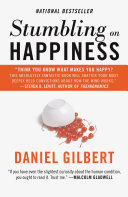
Stumbling on Happiness
Daniel Gilbert
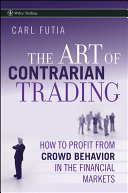
The Art of Contrarian Trading
Carl Futia
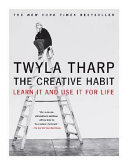
The Creative Habit
Twyla Tharp, Mark Reiter
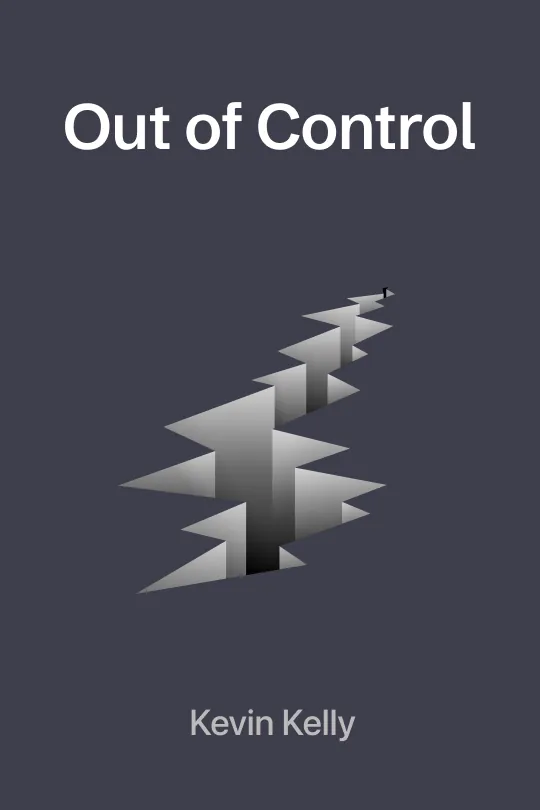
Out of Control
Kevin Kelly
Transformation in Christ
Dietrich Von Hildebrand
Bad Samaritans
Ha-Joon Chang
Blueprints: How mathematics shapes creativity
Marcus du Sautoy