
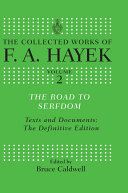
The Road to Serfdom
"Centralized economic planning, however well-intentioned, inevitably erodes individual liberty and paves the path to totalitarianism."
- 1Economic planning is the first step to total control. Hayek argues that granting the state control over the means of production, even for noble ends, concentrates power. This concentration inevitably extends beyond economics to suppress political and intellectual dissent, as planners cannot tolerate opposition to their grand design.
- 2Socialism and fascism share a common collectivist root. The book dismantles the notion of a clean left-right political spectrum. It posits that German Nazism and Soviet Communism were not opposites but rival siblings, both born from the collectivist impulse to subordinate the individual to a centrally directed social plan.
- 3The rule of law must be supreme over discretionary authority. True liberty requires governance by fixed, known rules applied equally to all. When the state acts via arbitrary decrees to achieve specific economic outcomes, it replaces law with bureaucratic whim, making every citizen a supplicant to official favor.
- 4The intellectual class is often the architect of its own servitude. Hayek delivers a scathing critique of the technocratic and socialist-leaning intelligentsia. He contends their faith in rational planning and disdain for market processes make them unwitting accomplices in constructing the apparatus of state control that will ultimately constrain them.
- 5Individual responsibility is the bedrock of a free society. The book champions the moral and practical necessity of personal agency. By shifting responsibility from the individual to the collective, socialism infantilizes citizens and destroys the ethical framework and local knowledge essential for a dynamic, prosperous order.
Published in the shadow of World War II, Friedrich Hayek's The Road to Serfdom stands as a defiant, philosophical broadside against the prevailing intellectual tide of central planning. It is not merely an economic treatise but a profound warning about the political consequences of collectivism, arguing that the abandonment of classical liberalism for socialist-inspired state control leads inexorably to the loss of personal freedom. Hayek wrote as the ruins of Nazi Germany smoldered and as many Western intellectuals still viewed Soviet-style planning as a viable, even superior, alternative to what they saw as the chaos of capitalism.
Hayek's core thesis is that economic control cannot be separated from control over life itself. He meticulously traces how the well-intentioned desire for security, order, and material equality leads societies to grant governments expansive powers to direct the economy. This process, he contends, requires a central planning body to make innumerable decisions about production, distribution, and consumption—decisions that were once made by millions of individuals interacting through price signals in a free market. This concentration of power is inherently totalizing; to execute its plan efficiently, the state must inevitably seek to control not just what is produced, but what is thought, said, and believed, suppressing any dissent that might challenge the plan's logic or authority.
The book famously dismantles the distinction between totalitarianism of the 'left' and 'right,' positing that German National Socialism and Soviet Communism were species of the same collectivist genus. Hayek delves into German intellectual history to show how a tradition of state-led organization, from Bismarck's welfare state to wartime economic planning, created a fertile ground for Hitler's regime. He warns that the same intellectual seductions—the faith in scientific management of society and the disdain for 'irrational' market processes—were alive in the democracies, championed by socialist parties and technocratic elites.
The Road to Serfdom remains a foundational text of modern libertarian and conservative thought, its arguments invoked in debates over the welfare state, regulatory expansion, and the proper limits of government authority. Its enduring power lies in its moral and philosophical defense of individual liberty as the non-negotiable core of a civilized society, and its grim prophecy that the road to utopia is, in fact, the road to servitude.
The consensus views this as an essential, intellectually rigorous classic whose central warning retains a chilling relevance. Readers praise its powerful, lucid argument and historical analysis, particularly the connection drawn between economic planning and totalitarian control. The primary criticism is not of its logic but of its perceived extremity; some find its dire predictions about democratic socialism overstated or its policy prescriptions too austere, creating a polarized but deeply engaged readership.
- 1The timeless relevance of Hayek's warning against expanding state power in modern democracies.
- 2Debate over whether the book's critique accurately targets democratic socialism or only its totalitarian forms.
- 3The historical analysis linking German intellectual trends to the rise of National Socialism.
- 4Praise for the book's clarity and persuasive power despite its dense, academic subject matter.
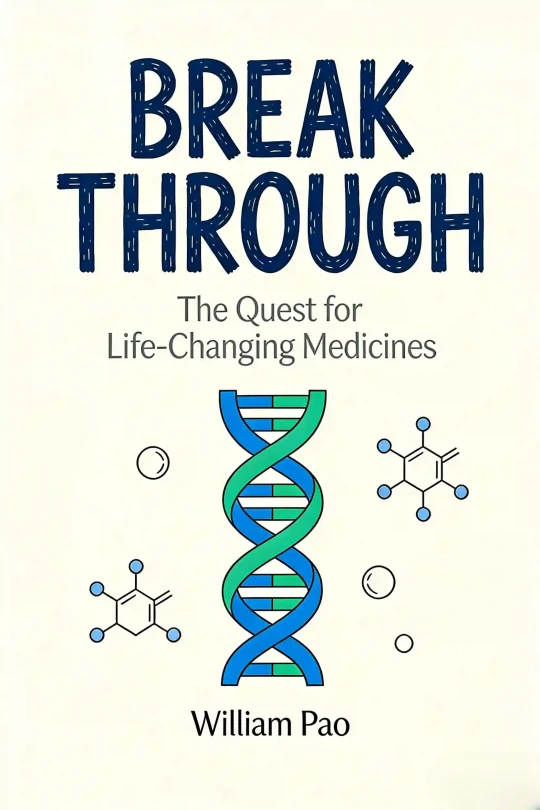
Breakthrough: The Quest for Life-Changing Medicines
Dr William Pao
Stumbling on Happiness
Daniel Gilbert

Chip War: The Quest to Dominate the World's Most Critical Technology
Chris Miller
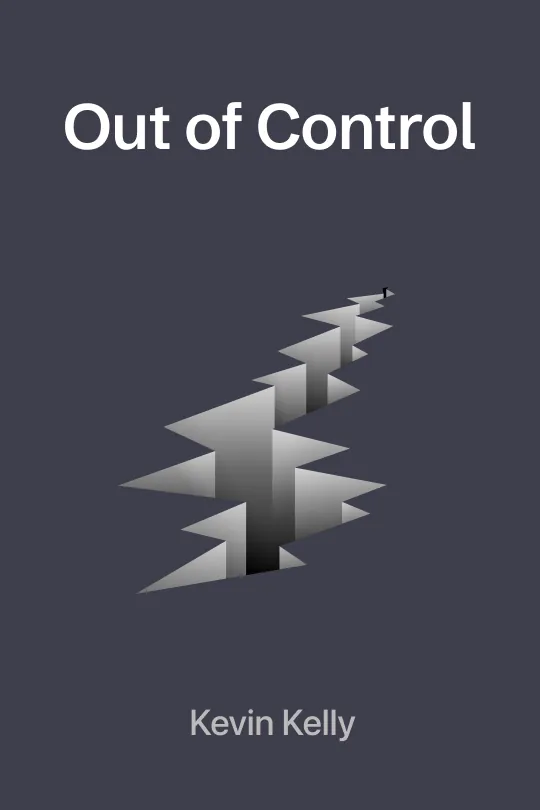
Out of Control
Kevin Kelly
Boom: Bubbles and the End of Stagnation
Byrne Hobart
The Artist's Way
Julia Cameron
The Road to Financial Freedom
Bodo Schäfer
The Essays of Warren Buffett: Lessons for Corporate America
Lawrence A. Cunningham, Warren Buffett
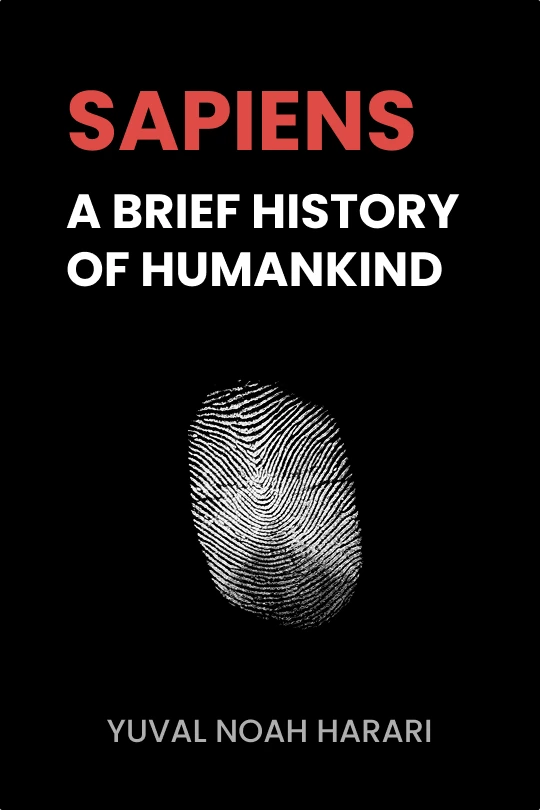
Sapiens: A Brief History of Humankind
Yuval Noah Harari
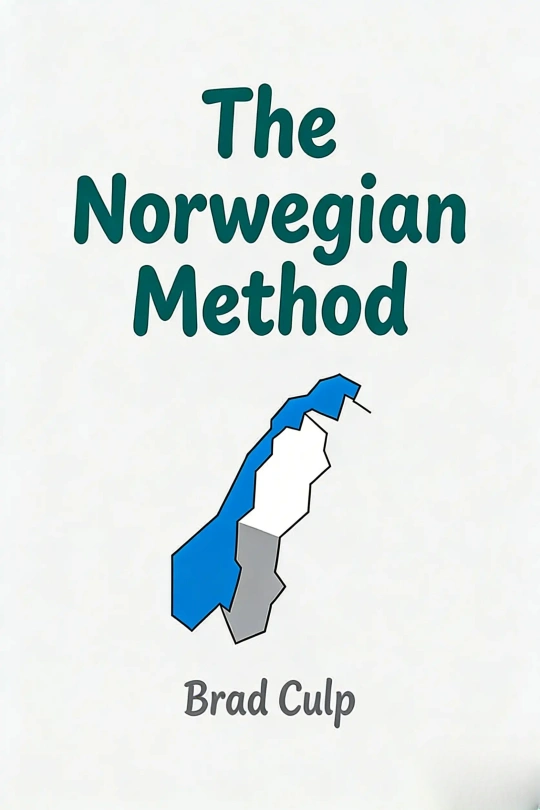
The Norwegian Method
Brad Culp
Bad Samaritans
Ha-Joon Chang

Permanent Record
Edward Snowden