
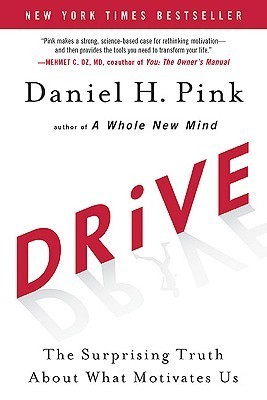
Drive: The Surprising Truth About What Motivates Us
"True motivation flows from autonomy, mastery, and purpose, not from carrots and sticks."
- 1Replace extrinsic rewards with intrinsic motivation for complex work. The traditional carrot-and-stick model of Motivation 2.0 actively undermines performance, creativity, and ethical behavior for the non-routine, conceptual tasks that define the modern economy. It breeds short-term thinking and compliance, not engagement.
- 2Cultivate autonomy over task, time, team, and technique. The human need for self-direction is fundamental. High performance and satisfaction are unlocked not by compliance, but by granting individuals genuine control over the four key dimensions of their work, fostering a sense of ownership and responsibility.
- 3Design work for the pursuit of mastery, not just achievement. Mastery is the urge to get better at something that matters. It is a mindset, not a destination. Effective environments provide clear goals, immediate feedback, and challenges that are perfectly matched to one's abilities to facilitate 'flow' states.
- 4Connect daily tasks to a transcendent purpose. Purpose provides the essential context that makes autonomy and mastery meaningful. It is the yearning to contribute to something larger than the self. Organizations that articulate a cause beyond profits tap into a more powerful and sustainable motivational force.
- 5Recognize Motivation 3.0 as the new organizational imperative. The science of motivation has evolved, but management practices have not. The shift from algorithmic to heuristic work demands a corresponding upgrade from Motivation 2.0 to 3.0, making autonomy, mastery, and purpose central to organizational design and leadership.
Daniel H. Pink’s Drive dismantles the foundational assumptions of human motivation that have governed workplaces, schools, and homes for over a century. It posits that our reliance on extrinsic rewards and punishments—the 'carrot-and-stick' framework Pink labels Motivation 2.0—is not merely outdated but is actively counterproductive for the creative, right-brain tasks that dominate the 21st-century economy. This model, born of the Industrial Age, was engineered for compliance in routine work; it fails catastrophically when applied to the non-routine, conceptual work that drives innovation and progress today.
Drawing on four decades of robust behavioral science, Pink constructs the case for Motivation 3.0, an upgrade built on our intrinsic desires. He identifies its three core elements: Autonomy, the deep-seated need to direct our own lives; Mastery, the compulsive urge to get better at something that matters; and Purpose, the yearning to do what we do in the service of a cause larger than ourselves. The book meticulously details how extrinsic motivators can narrow focus, crush creativity, and encourage unethical shortcuts, while intrinsic motivators fuel engagement, deep thinking, and long-term performance.
Pink illustrates this new paradigm with vivid examples from companies and institutions that have successfully implemented its principles, from Google’s '20% time' to Atlassian’s 'FedEx Days.' He provides a practical toolkit for individuals and leaders to foster environments rich in autonomy, designed for mastery, and connected to purpose. The argument moves beyond corporate management, suggesting a fundamental rethinking of how we approach education, parenting, and personal fulfillment.
Drive is more than a business book; it is a manifesto for a human-centered approach to work and life. Its legacy lies in providing the scientific backbone and practical language for a movement away from controlled compliance and toward empowered engagement. It is essential reading for leaders, educators, and anyone seeking to understand what truly propels us forward in a world where the rules of motivation have irrevocably changed.
The critical consensus positions Drive as a transformative and essential read for modern managers, though some find its execution more persuasive than prescriptive. Readers overwhelmingly praise its powerful, paradigm-shattering core thesis—the compelling evidence against carrot-and-stick motivators and the elegant framework of Autonomy, Mastery, and Purpose. The book is celebrated for its clarity, accessibility, and ability to articulate what many intuitively felt about flawed incentive structures. A recurring critique notes that while the diagnosis is brilliant, the practical implementation strategies feel less robust, leaving some readers wanting more concrete, step-by-step guidance for organizational change.
- 1The powerful, evidence-based dismantling of traditional carrot-and-stick motivation models as fundamentally flawed for modern work.
- 2The practical application and implementation challenges of the Autonomy, Mastery, and Purpose framework within real-world organizations.
- 3The book's clarity and transformative impact on personal management philosophy and leadership style.
Breakthrough: The Quest for Life-Changing Medicines
Dr William Pao

Sapiens: A Brief History of Humankind
Yuval Noah Harari
The Essays of Warren Buffett: Lessons for Corporate America
Lawrence A. Cunningham, Warren Buffett

Code: The Hidden Language of Computer Hardware and Software
Charles Petzold

No Rules Rules: Netflix and the Culture of Reinvention
Reed Hastings, Erin Meyer

The Artist's Way
Julia Cameron

The Almanack of Naval Ravikant
Naval Ravikant, Eric Jorgenson

Stumbling on Happiness
Daniel Gilbert
The Crash Course
Chris Martenson

Out of Control
Kevin Kelly

The Intelligent Investor
Benjamin Graham
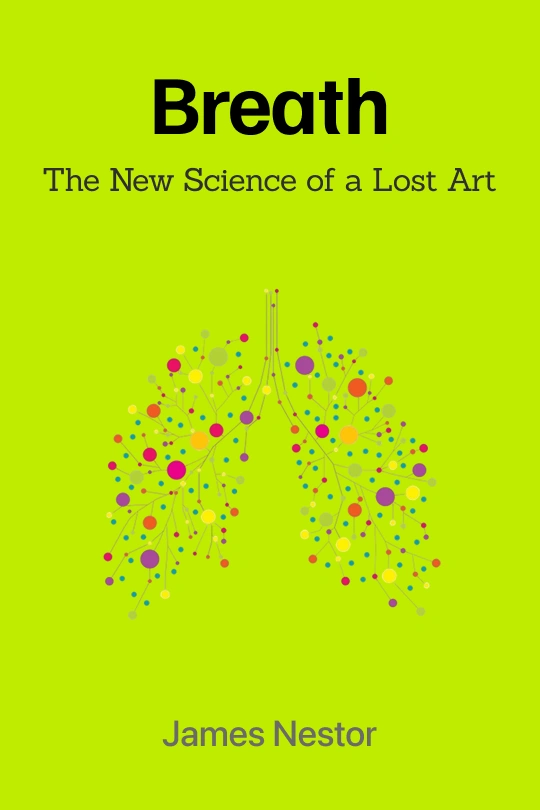
Breath: The New Science of a Lost Art
James Nestor