
Feminism is for Everybody: Passionate Politics
"A visionary, accessible blueprint for a beloved community built on mutual respect and a feminism free from divisive barriers."
- 1Define feminism as a movement to end all oppression. Feminism is not merely about gender equality but a holistic political project to dismantle interlocking systems of patriarchy, racism, classism, and homophobia, requiring solidarity across social justice movements.
- 2Reject the caricature; feminism is for everybody. The book systematically dismantles the stereotype of feminism as anti-male or exclusive, framing it as a common-sense pursuit of justice and human rights that benefits all people by challenging a toxic culture.
- 3Center love and mutual respect as political catalysts. hooks posits a passionate politics rooted in love—not sentimentality, but the active commitment to nurture growth and justice—as the essential ethical foundation for personal relationships and collective struggle.
- 4Integrace reproductive freedom with economic justice. True liberation requires linking the fight for bodily autonomy to a critique of capitalist exploitation, ensuring that choices are not just legally protected but materially possible for women of all classes.
- 5Transform intimate relationships through feminist practice. The personal sphere is a primary site for political change; feminism demands the reconfiguration of marriage and partnership away from domination and toward equity, shared responsibility, and genuine respect.
- 6Engage with religion and spirituality as contested terrain. Rather than dismissing faith, the work encourages a critical engagement with religious institutions to reclaim ethical teachings that support liberation and challenge patriarchal interpretations.
In Feminism is for Everybody, bell hooks presents a lucid and invitational manifesto aimed at demystifying feminist politics for a broad audience. Rejecting academic jargon and exclusionary dogma, she defines feminism in its simplest, most powerful terms: a movement to end sexist oppression. This definition serves as a radical starting point, insisting that the goal is not female superiority but the creation of a world where justice and love are not mutually exclusive.
hooks constructs her argument by tracing the historical missteps and divisions within feminist movements, particularly the marginalization of women of color and working-class women by a predominantly white, bourgeois leadership. She argues that these failures created a popular caricature of feminism as anti-male and joyless, which the book diligently works to correct. The core of the text applies a feminist analysis to concrete issues—reproductive rights, violence, race, class, work, and sexuality—demonstrating how patriarchy intertwines with capitalism and white supremacy to constrain all lives.
The work is particularly notable for its emphasis on "passionate politics," where love is framed not as a private feeling but as a public ethic and a commitment to nurture growth and well-being in oneself and others. This love ethic is the foundation for her vision of a "beloved community," a society beyond domination. hooks dedicates significant space to the personal as political, detailing how feminist theory must transform domestic life, parenting, and intimate partnerships to be meaningful.
Ultimately, this book is both a primer and a polemic, designed for the skeptical neighbor as much as the seasoned activist. Its enduring significance lies in its accessible yet uncompromising framework, which expands feminism from a niche interest into a universal call for human dignity. It leaves readers with a pragmatic yet hopeful charge: to imagine and demand alternatives, building a future where feminism, in its most inclusive form, is indeed for everybody.
The consensus hails the book as an essential, clarifying primer that successfully demystifies feminism for skeptics and newcomers. Readers praise its accessible language and powerful, inclusive vision, which convincingly argues that feminism benefits all. A recurring critique notes the analysis remains firmly U.S.-centric, leaving readers desiring a more global examination of the movement's challenges and manifestations.
- 1The book's effectiveness as an introductory text for those skeptical or hostile to feminism.
- 2Debate over the U.S.-centric focus and the desire for more international perspective.
- 3Appreciation for hooks' inclusive definition of feminism that explicitly addresses race and class.
- 4Discussion on the concept of 'passionate politics' and love as a transformative public ethic.
Out of Control
Kevin Kelly
Sapiens: A Brief History of Humankind
Yuval Noah Harari

Bad Samaritans
Ha-Joon Chang

The Art of Contrarian Trading
Carl Futia

Chip War: The Quest to Dominate the World's Most Critical Technology
Chris Miller
Transformation in Christ
Dietrich Von Hildebrand
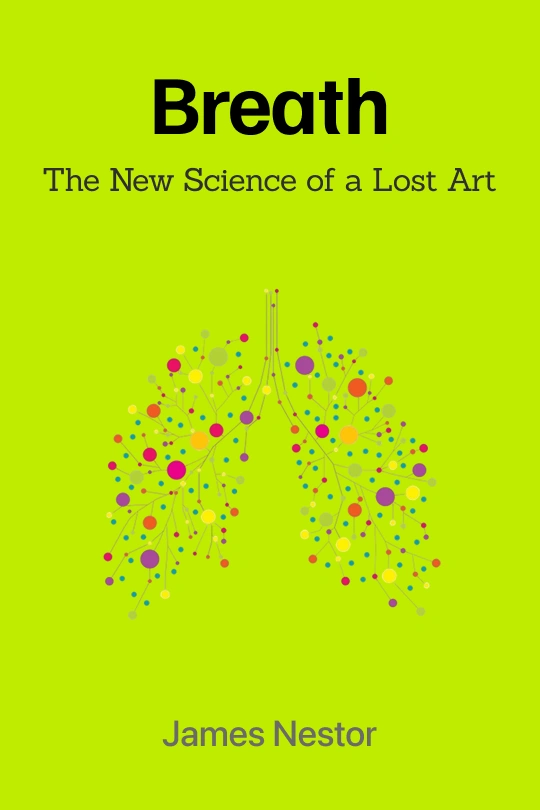
Breath: The New Science of a Lost Art
James Nestor
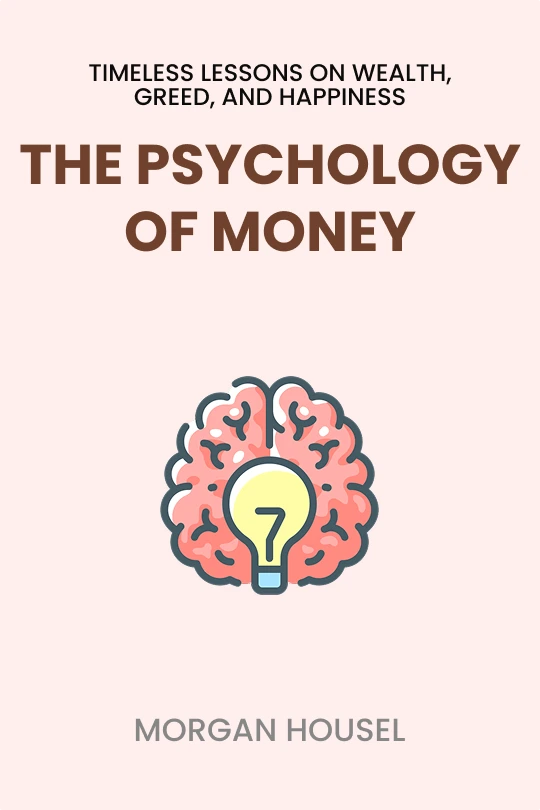
The Psychology of Money: Timeless Lessons on Wealth, Greed, and Happiness
Morgan Housel

Amusing Ourselves to Death: Public Discourse in the Age of Show Business
Neil Postman
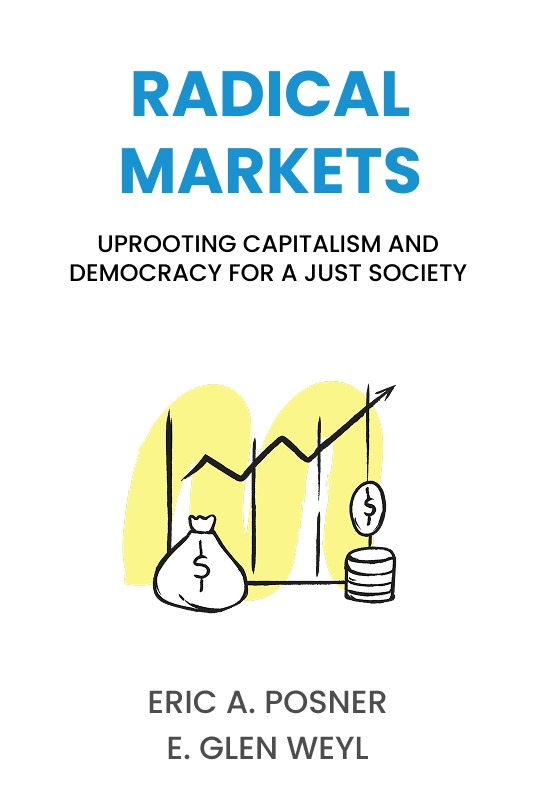
Radical Markets: Uprooting Capitalism and Democracy for a Just Society
Eric A. Posner, E. Glen Weyl
The Creative Habit
Twyla Tharp, Mark Reiter
The Crash Course
Chris Martenson