
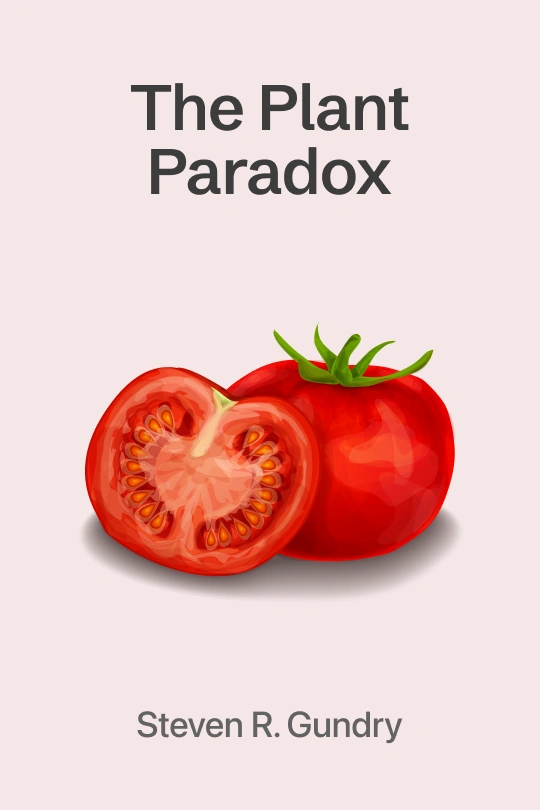
The Plant Paradox: The Hidden Dangers in "Healthy" Foods That Cause Disease and Weight Gain
"Reveals how common plant defenses, particularly lectins, drive inflammation and chronic illness, offering a dietary path to reclaim health."
- 1[object Object]
- 2[object Object]
- 3[object Object]
- 4[object Object]
- 5[object Object]
- 6[object Object]
In The Plant Paradox, renowned cardiac surgeon Dr. Steven R. Gundry posits a revolutionary and provocative thesis: many of the foods lauded as pillars of a healthy diet are, in fact, the hidden drivers of chronic disease and weight gain. The book reframes the human relationship with plants through the lens of evolutionary biology, casting them not as passive sustenance but as sophisticated organisms engaged in a perpetual chemical arms race. Their primary weapons are lectins—sticky proteins designed to disrupt the digestive systems of predators, causing inflammation, gut permeability, and a cascade of immune responses.
Gundry meticulously details how these plant defense mechanisms, honed over millennia, manifest in the modern human body. He argues that lectins, abundant in wheat, grains, legumes, nightshade vegetables, and even some fruits and dairy, act as 'biological hackers.' They bypass normal digestive processes, breach the intestinal barrier, and confuse the immune system, leading to conditions ranging from arthritis and diabetes to heart disease and autoimmune disorders. The book systematically catalogs high-lectin foods while introducing the concept of 'lectin-like' proteins found in conventionally raised meats, further expanding the scope of dietary culprits.
The solution presented is not mere avoidance but strategic engagement. Gundry provides a practical framework for a lectin-avoidant lifestyle, emphasizing that not all plants are adversarial. He champions a diet rich in specific leafy greens, cruciferous vegetables, resistant starches, and healthy fats from approved sources. The protocol includes a phased elimination plan, culinary techniques to reduce lectin content, and guidelines for restoring gut health through prebiotic and probiotic support. It is a comprehensive system aimed at recalibrating the immune system by removing its primary dietary antagonists.
Positioned at the contentious intersection of mainstream nutrition and alternative health, The Plant Paradox challenges foundational dietary guidelines. It targets an audience struggling with unresolved inflammatory conditions and those disillusioned by conventional diet advice. The book’s legacy lies in its forceful argument for a paradigm shift—from viewing food solely as nutrition to understanding it as information that directly dialogues with our cellular and immune systems, for better or worse.
The readership is starkly polarized. Proponents, often those with chronic autoimmune or digestive issues, hail the book as life-changing, crediting the protocol with dramatic health reversals where conventional medicine failed. They praise its compelling synthesis of science and patient anecdotes. Critics, however, dismiss the central thesis as alarmist pseudoscience, arguing it demonizes nutritious whole foods based on speculative mechanisms and cherry-picked evidence. The diet is frequently cited as excessively restrictive, difficult to maintain socially, and reliant on the author's proprietary supplement line, casting a shadow over its motivations.
- 1The scientific validity of lectins as a primary cause of modern chronic disease, with debates centering on evidence quality and evolutionary reasoning.
- 2The extreme restrictiveness of the elimination diet and its long-term sustainability versus potential nutritional deficiencies.
- 3Controversy surrounding the author's promotion of his own brand of supplements within the dietary protocol.
- 4Personal testimonials of transformative health recovery from autoimmune conditions contrasted with accusations of fear-mongering.
Bad Samaritans
Ha-Joon Chang

Permanent Record
Edward Snowden

Just Listen: Discover the Secret to Getting Through to Absolutely Anyone
Mark Goulston
Sapiens: A Brief History of Humankind
Yuval Noah Harari
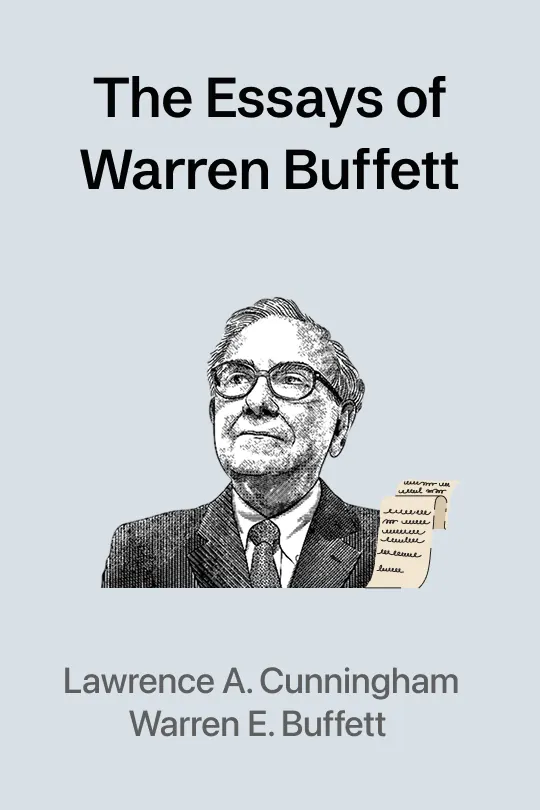
The Essays of Warren Buffett: Lessons for Corporate America
Lawrence A. Cunningham, Warren Buffett

The Artist's Way
Julia Cameron
Outliers: The Story of Success
Malcolm Gladwell

Transformation in Christ
Dietrich Von Hildebrand

The Psychology of Money: Timeless Lessons on Wealth, Greed, and Happiness
Morgan Housel

The Intelligent Investor
Benjamin Graham
Breakthrough: The Quest for Life-Changing Medicines
Dr William Pao

The Road to Financial Freedom
Bodo Schäfer