
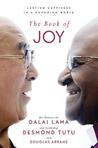
The Book of Joy: Lasting Happiness in a Changing World
"Joy is not a solitary feeling but a courageous practice of compassion, forged in the crucible of shared suffering."
- 1Cultivate compassion as the non-negotiable foundation for joy. Self-centeredness is the primary obstacle to happiness. True, lasting joy is a byproduct of turning outward, extending genuine concern for others' well-being, and recognizing our fundamental interconnectedness.
- 2Reframe suffering as an inevitable teacher, not a permanent enemy. Adversity is an inescapable part of the human condition. The path to joy lies not in avoiding pain but in developing the mental resilience to learn from it, thereby preventing suffering from hardening into bitterness.
- 3Practice forgiveness as an act of self-liberation, not absolution. Holding onto anger and resentment is a poison one drinks hoping the other person dies. Forgiveness is the conscious decision to free oneself from the corrosive prison of the past, reclaiming personal peace.
- 4Anchor your life in daily practices of gratitude and generosity. Joy is a muscle that must be exercised. Regularly acknowledging blessings shifts perspective from scarcity to abundance, while giving—of time, resources, or kindness—activates the brain's reward systems and deepens connection.
- 5Embrace humor and humility to dissolve the ego's tyranny. Taking oneself too seriously is a barrier to joy. Laughter, especially at one's own foibles, deflates the ego's pretensions, fosters connection with others, and provides vital perspective during hardship.
- 6Distinguish between fleeting pleasure and enduring, authentic joy. Pleasure is sensory and dependent on external conditions; it is transient. Joy is a state of being rooted in inner peace and purpose, which can be maintained even amidst external difficulty and change.
In April 2015, to celebrate the Dalai Lama’s eightieth birthday, two of the world’s most revered spiritual leaders—His Holiness the Dalai Lama and Archbishop Desmond Tutu—gathered in Dharamsala for a week of intimate dialogue. Both Nobel Peace Prize laureates, having endured decades of exile and the brutal realities of apartheid respectively, they convened not for a somber theological debate, but for a joyful investigation into a single question: How do we find and sustain joy in a world of inevitable suffering, anxiety, and division?
The resulting work, expertly woven together by co-author Douglas Abrams, operates on three interconnected levels. It is first a record of a profound friendship, filled with laughter, teasing, and palpable mutual affection that models the very connection it advocates. Second, it is a philosophical and spiritual treatise that distills their hard-won wisdom into the "Eight Pillars of Joy": perspectives like humility, humor, and acceptance, and practices like forgiveness, gratitude, and compassion. They argue systematically that joy is not a passive emotion but a disciplined choice, a rebellious act of resilience in the face of adversity.
The narrative deftly interlaces their personal stories of persecution and loss with the timeless teachings of Buddhism and Christianity, revealing a striking convergence on fundamental human values. This is further bolstered by the third layer: insights from contemporary neuroscience and psychology, which validate their assertions that qualities like compassion and gratitude can physically reshape the brain for greater happiness. The discussion confronts dark subjects—fear, stress, illness, death—not with platitudes, but with practical strategies for transformation.
Ultimately, The Book of Joy transcends interfaith dialogue to offer a universal, accessible manual for living. Its significance lies in its demonstration that joy is the birthright of every person, achievable not through solitary pursuit but through the deliberate cultivation of a warm heart and a life dedicated to the service of others. It is a testament to the power of perspective and a guide for anyone seeking an anchor of peace in turbulent times.
The critical consensus embraces the book as a profound and accessible antidote to modern anxiety, celebrated for the authentic, joyful camaraderie between its two iconic authors. Readers consistently report feeling uplifted and personally challenged by its practical wisdom, though a minority find the core message spiritually simplistic or repetitive. Its greatest strength is perceived as translating lofty spiritual principles into actionable daily practices, making timeless wisdom feel immediately relevant.
- 1The infectious, laughter-filled dynamic between the Dalai Lama and Archbishop Tutu, which models their teachings more powerfully than any abstract principle.
- 2The practical applicability of the 'Eight Pillars of Joy' and the exercises in the appendix for cultivating daily happiness and resilience.
- 3The powerful interfaith harmony demonstrated, showing a unified ethical core beneath Buddhist and Christian traditions.
- 4Discussions on whether the book offers genuinely new insights or serves as a warm, repackaged synthesis of familiar spiritual advice.

Just Listen: Discover the Secret to Getting Through to Absolutely Anyone
Mark Goulston
The Creative Habit
Twyla Tharp, Mark Reiter
The Crash Course
Chris Martenson

Permanent Record
Edward Snowden

The Intelligent Investor
Benjamin Graham

How to Win Friends & Influence People
Dale Carnegie

The Road to Financial Freedom
Bodo Schäfer

The Art of Contrarian Trading
Carl Futia

The Essays of Warren Buffett: Lessons for Corporate America
Lawrence A. Cunningham, Warren Buffett

Breath: The New Science of a Lost Art
James Nestor

Boom: Bubbles and the End of Stagnation
Byrne Hobart

Stumbling on Happiness
Daniel Gilbert