

The Paradox of Choice: Why More Is Less
"Liberate yourself from the tyranny of endless options to reduce anxiety and cultivate greater life satisfaction."
Nook Talks
- 1[object Object]
- 2[object Object]
- 3[object Object]
- 4[object Object]
- 5[object Object]
- 6[object Object]
In an era defined by unprecedented consumer and life-choice abundance, Barry Schwartz’s The Paradox of Choice delivers a counterintuitive and piercing social critique. It argues that the very proliferation of options meant to liberate and empower us has become a primary engine of modern anxiety, dissatisfaction, and paralysis. The book positions this dilemma not as a first-world luxury, but as a fundamental psychological challenge affecting decisions from the trivial—selecting a jar of jam—to the profound—choosing a career path or a life partner.
Schwartz builds his case on a foundational dichotomy between two decision-making styles: the ‘maximizer,’ who seeks the absolute best option through exhaustive research, and the ‘satisficer,’ who settles for a choice that is ‘good enough.’ Through a synthesis of behavioral economics and social psychology, he demonstrates how maximizers, despite sometimes achieving objectively better outcomes, pay a steep psychological price. They experience greater regret, are more prone to self-blame when results disappoint, and are haunted by the ‘opportunity costs’ of the paths not taken.
The analysis extends beyond individual psychology to examine how a culture obsessed with choice and personal autonomy fosters these maladaptive behaviors. Marketing that promises perfect solutions and a societal narrative that equates more choice with more freedom create impossible standards. Schwartz details the consequences: decision fatigue, the escalation of expectations, and a pervasive sense that one could always have done better, leading to a paradoxical reduction in well-being.
Ultimately, The Paradox of Choice is a pragmatic guide for navigating a saturated world. Its significance lies in its prescriptive call for voluntary constraint, the conscious adoption of satisficing strategies, and the cultivation of gratitude. Targeted at anyone feeling overwhelmed by modern life’s demands, the book offers a intellectual framework for reclaiming contentment by intelligently limiting the field of choice.
The critical consensus finds the book's core thesis—that excessive choice breeds unhappiness—to be intellectually resonant and personally transformative for many readers. It is praised for naming a pervasive modern anxiety and providing a useful maximizer/satisficer framework for self-diagnosis. However, a significant portion of the audience criticizes the central argument as overly repetitive and belabored, feeling a long-form article could have sufficed. The accessible, anecdotal prose is seen as both a strength for general readers and a weakness for those seeking deeper academic rigor.
- 1The transformative personal recognition of being a 'maximizer' and the subsequent effort to adopt a 'satisficing' mindset for mental peace.
- 2Debate over whether the book's compelling central idea is stretched too thin or effectively elaborated across its full length.
- 3Discussion on the applicability of the paradox to major life decisions versus trivial consumer choices, and where the line is drawn.
- 4The balance between the book's accessible, anecdotal style and a desire for more substantive data or philosophical depth.

Code: The Hidden Language of Computer Hardware and Software
Charles Petzold
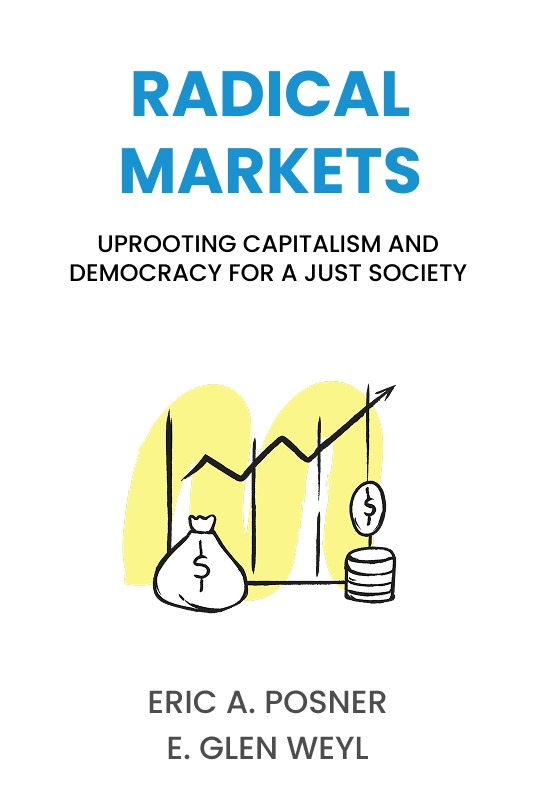
Radical Markets: Uprooting Capitalism and Democracy for a Just Society
Eric A. Posner, E. Glen Weyl

Out of Control
Kevin Kelly

The Psychology of Money: Timeless Lessons on Wealth, Greed, and Happiness
Morgan Housel

The Artist's Way
Julia Cameron

Amusing Ourselves to Death: Public Discourse in the Age of Show Business
Neil Postman
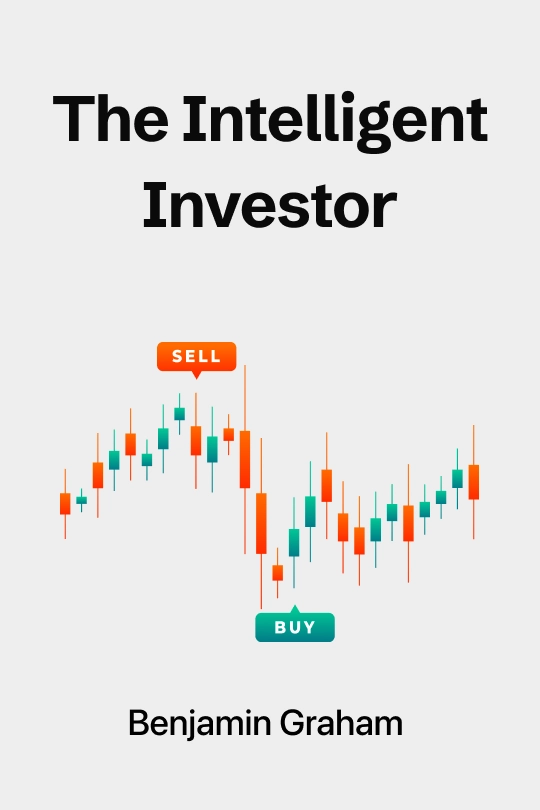
The Intelligent Investor
Benjamin Graham
Transformation in Christ
Dietrich Von Hildebrand
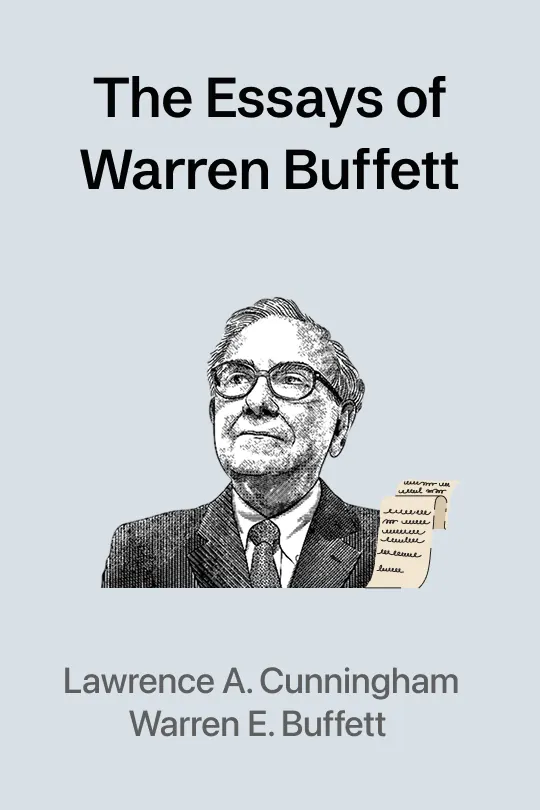
The Essays of Warren Buffett: Lessons for Corporate America
Lawrence A. Cunningham, Warren Buffett
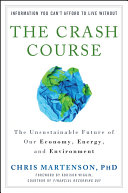
The Crash Course
Chris Martenson

The Almanack of Naval Ravikant
Naval Ravikant, Eric Jorgenson

Just Listen: Discover the Secret to Getting Through to Absolutely Anyone
Mark Goulston