

Not Buying It: My Year Without Shopping
"A year-long abstinence from consumption reveals the emotional and philosophical architecture of modern desire."
- 1Distinguish between authentic need and manufactured desire. The experiment exposes how marketing and social pressure transform wants into perceived necessities, forcing a re-evaluation of what constitutes a fundamental requirement for a meaningful life.
- 2Confront the emotional void that shopping fills. Abstaining from consumption surfaces underlying states like boredom, anxiety, and social insecurity, revealing shopping as a primary coping mechanism in contemporary culture.
- 3Reckon with the social friction of non-participation. Opting out of consumer rituals—from gift-giving to dining out—strains relationships and highlights the extent to which commerce is woven into the fabric of friendship and community.
- 4Interrogate the link between citizenship and consumption. The project questions the patriotic injunction to shop, probing whether responsible citizenship in a consumer society requires complicity in its environmentally and personally costly systems.
- 5Discover creativity and resourcefulness in scarcity. Limitations on new purchases foster improvisation, repair, and a deeper appreciation for existing possessions, challenging the notion that novelty is essential for satisfaction.
In a culture saturated with the imperative to consume, journalist Judith Levine embarks on a radical personal and philosophical experiment: to purchase nothing but absolute necessities for one year. This is not a tale of extreme frugality born of poverty, but a deliberate, middle-class withdrawal from the market. The premise is a stark interrogation of daily life—what does it mean to need a Q-tip, a cup of coffee, or a new pair of socks? Levine and her partner, Paul, commit to a regime where groceries, essential hygiene, and critical household supplies are permitted, while all other spending—on entertainment, gifts, clothing, and dining—ceases.
The narrative chronicles the practical and psychological contours of their year. Levine documents the logistical challenges, from navigating social obligations without the currency of purchased experiences to the sheer boredom that emerges when shopping is removed as a default activity. More compellingly, she uses these mundane struggles as a springboard into deeper cultural analysis. She dissects the post-9/11 "patriotism" of shopping, explores the environmental cost of consumption, and plumbs the work of thinkers like Walter Benjamin and Freud to understand desire itself.
Levine’s project becomes a lens through which the entire architecture of modern identity is examined. Without the ability to define oneself through acquisitions, what remains? The book traces how relationships, self-worth, and even time are structured by market logic. It is a meticulous account of backsliding and small victories, of the guilt over a purchased newspaper and the joy of a home-cooked meal shared with friends.
Ultimately, 'Not Buying It' transcends a simple memoir of anti-consumerism. It is a work of skeptical, witty social criticism that questions the viability of an economy dependent on endless growth and the possibility of individual sovereignty within it. The book speaks directly to anyone who feels trapped in the cycle of earn-and-spend, offering not a prescriptive solution but a provocative, deeply personal case study in conscious uncoupling from the market.
The critical consensus finds the premise intellectually promising but the execution deeply frustrating. Readers praise the initial concept and its capacity to provoke self-reflection, yet widely condemn the author's tone as self-congratulatory, privileged, and insufferably navel-gazing. The narrative is criticized for meandering into tangential political diatribes and personal anecdotes that dilute the core experiment, leaving many feeling the project lacked the rigor or relatable humility its subject demanded.
- 1The author's perceived privilege and lack of relatability for average readers facing real financial constraints.
- 2Frustration with the book's digressive structure and Levine's overly academic, self-indulgent narrative voice.
- 3Debate over whether the experiment's rules were too loosely defined or inconsistently applied, undermining its credibility.
- 4The effectiveness of the book in sparking personal reflection on one's own consumption habits, despite its flaws.

The Intelligent Investor
Benjamin Graham

Breath: The New Science of a Lost Art
James Nestor

How to Win Friends & Influence People
Dale Carnegie
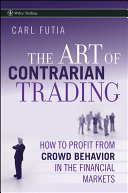
The Art of Contrarian Trading
Carl Futia
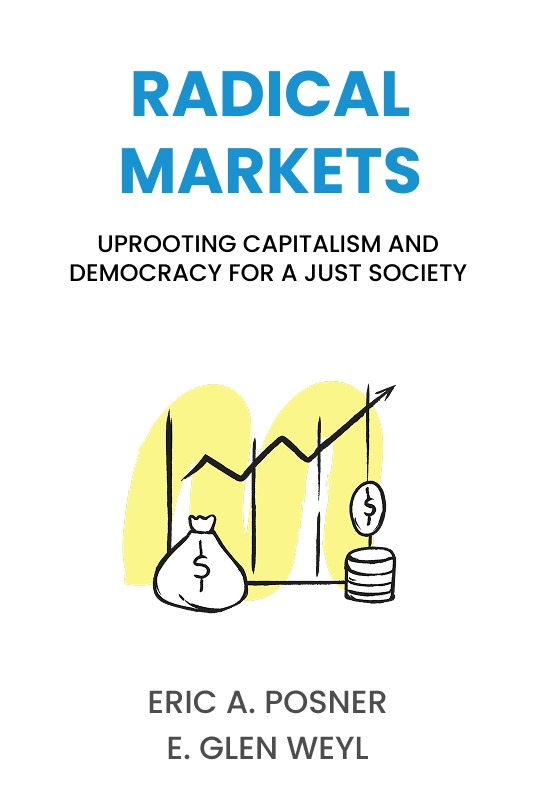
Radical Markets: Uprooting Capitalism and Democracy for a Just Society
Eric A. Posner, E. Glen Weyl
Stumbling on Happiness
Daniel Gilbert
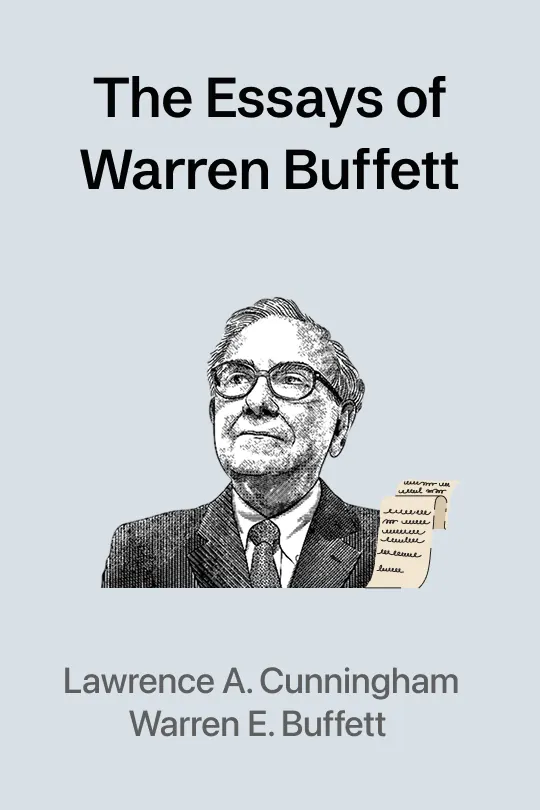
The Essays of Warren Buffett: Lessons for Corporate America
Lawrence A. Cunningham, Warren Buffett

Code: The Hidden Language of Computer Hardware and Software
Charles Petzold

The Almanack of Naval Ravikant
Naval Ravikant, Eric Jorgenson

Amusing Ourselves to Death: Public Discourse in the Age of Show Business
Neil Postman

Sapiens: A Brief History of Humankind
Yuval Noah Harari
The Crash Course
Chris Martenson