
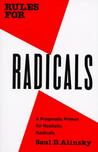
Rules for Radicals: A Pragmatic Primer for Realistic Radicals
"A tactical blueprint for organizing power from the powerless, transforming moral outrage into tangible political victory."
- 1Organize around people's immediate self-interest. Abstract ideals fail to mobilize; successful action requires identifying and leveraging the concrete, personal stakes individuals have in a struggle, channeling self-interest toward collective power.
- 2Power is not only what you have, but what the enemy thinks you have. Perception is a critical currency. The strategic projection of strength, unity, and inevitability can force concessions and alter the real balance of power before a direct confrontation.
- 3Make the enemy live up to its own book of rules. Hold institutions and opponents accountable to their professed values and laws. This tactic exposes hypocrisy, creates internal contradictions, and traps them in a public relations dilemma of their own making.
- 4The price of a successful attack is a constructive alternative. Mere criticism breeds nihilism. To sustain momentum and legitimacy, an organizer must pair opposition with a clear, achievable program, offering a tangible path forward for the disillusioned.
- 5Pick the target, freeze it, personalize it, and polarize it. Effective action requires a single, identifiable antagonist. Diffuse systems cannot be fought; personalizing the conflict clarifies the struggle, energizes supporters, and forces a decisive confrontation.
- 6Ridicule is man's most potent weapon. It is almost impossible to counterattack ridicule. It infuriates the opposition, who then react to your advantage, while demystifying authority and making it appear foolish and vulnerable.
Published in 1971, at the tail end of the radical movements he helped inspire, Saul Alinsky's Rules for Radicals is less a manifesto than a cold-eyed field manual for democratic warfare. Written for the disillusioned idealist, it dismisses rhetorical posturing in favor of a ruthless pragmatism focused on a single goal: how the have-nots of society can seize and wield power within the American system. Alinsky, a veteran community organizer from Chicago's Back of the Yards, operates from a foundational, amoral premise: change is effected not by appealing to conscience, but by understanding and manipulating self-interest, conflict, and pressure.
Alinsky's method is a systematic science of organization. He dissects the anatomy of power, teaching how to identify tangible issues, recruit leaders from within a community, and build durable organizations rooted in local relationships and grievances. The core of the book is its infamous tactical rules—thirteen principles for effective conflict. These range from the psychological ('Ridicule is man's most potent weapon') to the strategic ('Pick the target, freeze it, personalize it, and polarize it'). He argues compellingly for the morality of radical means, asserting that in the fight for mass salvation, the most unethical act is inaction, a refusal to enter the muddy arena of history.
The book's final section confronts the future, warning against the emerging politics of despair and nihilism. Alinsky advocates for a 'radical democracy' built by organizers who believe in the system enough to change it, but distrust it enough to keep the pressure constant. His ideal organizer is part realist, part evangelist, a person of passionate conviction who is nevertheless free of dogma, adaptable, and ironic.
Rules for Radicals thus occupies a paradoxical space: a timeless, Machiavellian guide to political jiujitsu that is deeply embedded in its late-60s context. Its legacy is immense and bipartisan, influencing figures from Cesar Chavez to Barack Obama, and its tactics have been adopted across the ideological spectrum. It remains the essential primer for anyone seeking to understand the mechanics of social movements and the arduous, unglamorous work of turning protest into power.
The consensus views this as an indispensable yet morally discomfiting classic. Readers praise its unparalleled practical utility and crystalline prose, hailing it as the foundational text for organizers. However, a significant contingent is unsettled by its amoral, ends-justify-means framework, finding its tactics manipulative and its philosophy corrosive to democratic discourse. Its accessibility is noted, but its content is deemed dangerous in equal measure to its effectiveness.
- 1The enduring relevance and bipartisan adoption of Alinsky's tactics in modern political campaigns.
- 2Ethical unease with the pragmatic, ends-justify-the-means philosophy central to the book's arguments.
- 3The book's value as a practical, non-ideological field manual versus more theoretical works on social change.
The Road to Financial Freedom
Bodo Schäfer
Radical Markets: Uprooting Capitalism and Democracy for a Just Society
Eric A. Posner, E. Glen Weyl
Stumbling on Happiness
Daniel Gilbert

Chip War: The Quest to Dominate the World's Most Critical Technology
Chris Miller

Permanent Record
Edward Snowden

Amusing Ourselves to Death: Public Discourse in the Age of Show Business
Neil Postman

The Psychology of Money: Timeless Lessons on Wealth, Greed, and Happiness
Morgan Housel
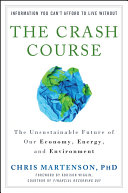
The Crash Course
Chris Martenson
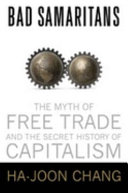
Bad Samaritans
Ha-Joon Chang

The Fifth Discipline
Peter M. Senge
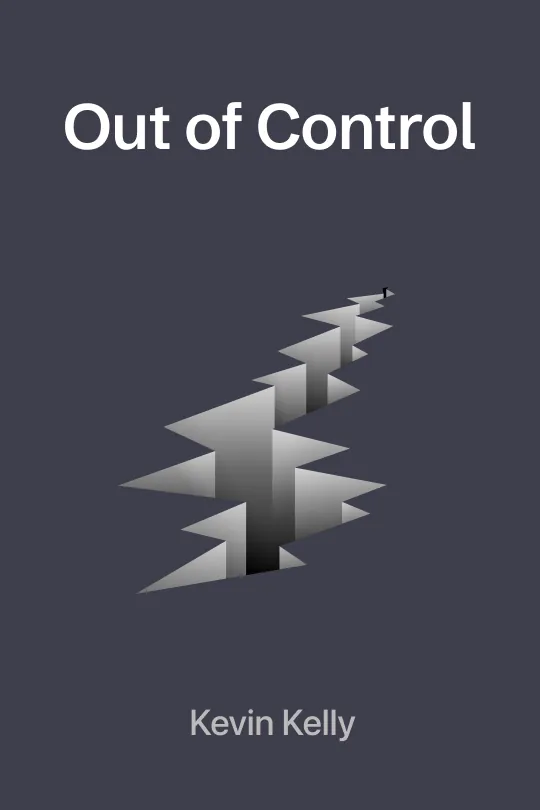
Out of Control
Kevin Kelly
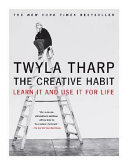
The Creative Habit
Twyla Tharp, Mark Reiter