
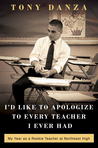
I'd Like to Apologize to Every Teacher I Ever Had: My Year as a Rookie Teacher at Northeast High
"A celebrity's raw immersion into the trenches of public education reveals the profound, unglamorous heroism of teaching."
- 1Teaching is an act of emotional labor, not just instruction. The classroom demands constant psychological engagement. A teacher's primary role often shifts from lecturer to counselor, bearing witness to and managing the profound personal burdens students carry into school each day.
- 2Student engagement requires bridging profound generational alienation. Connecting with technologically savvy yet often disconnected students necessitates abandoning traditional authority. Success hinges on forging authentic, personal relationships that transcend curricular content and celebrity status.
- 3The institutional machinery of a large high school is overwhelming. Beyond lesson planning, teaching involves navigating a labyrinth of administrative duties, standardized testing pressures, and extracurricular commitments. The sheer logistical scale consumes as much energy as pedagogy itself.
- 4Committed teachers operate on a foundation of quiet desperation. Dedication persists amidst a cyclical erosion of idealism. The profession's sustainability battles against bureaucratic inertia, emotional exhaustion, and the constant internal questioning of one's impact and choices.
- 5Effective education addresses fundamental human needs first. Academic learning cannot occur until students feel seen, safe, and valued. The most critical lessons often involve restoring dignity and fostering resilience, far beyond the scope of any official syllabus.
In 2009, television star Tony Danza traded the soundstage for the classroom, embarking on a year-long experiment as a tenth-grade English teacher at Northeast High in Philadelphia. This was not a celebrity visit but a full immersion into the gritty reality of America's largest urban high schools, with its 3,600 students and overcrowded halls. The book chronicles Danza's journey from a novice with a vague sense of penitence—apologizing to his own past teachers—to an educator grappling with the relentless, multidimensional demands of the profession.
Danza's narrative meticulously documents the ecosystem of a modern public school. He details the daily ballet of lesson planning, grading, and counseling, while also being drafted into coaching football, organizing talent shows, and leading field trips. His classroom becomes a microcosm of broader educational challenges, populated by twenty-six skeptical students who instantly see through his fame and demand authentic engagement. Through teaching classics like To Kill a Mockingbird, he confronts the difficulty of making century-old literature resonate with teenagers navigating contemporary crises.
The heart of the account lies in its intimate portraits of students and colleagues. Danza reveals the outsized, often heartbreaking role of counseling, as teachers become first responders to the psychological traumas students carry. The work is portrayed as a series of small, human connections—sitting with a struggling reader using Twilight, mediating conflicts, and writing letters to absent parents—that constitute the true, unheralded curriculum.
Ultimately, the book functions as both a vivid procedural and a poignant tribute. It demystifies the institutional machinery of education while arguing for its existential core: the fragile, essential transaction between adult and child. Targeted at anyone curious about the state of public education, it serves as an accessible, empathetic portal into a world of quiet heroism and systemic struggle, leaving readers with a visceral understanding of why teachers are both perpetually exhausted and indispensably committed.
The critical consensus embraces the memoir as a surprisingly profound and emotionally resonant portrait of teaching. Readers, particularly educators, praise its authentic, unvarnished depiction of the classroom's emotional toll and logistical chaos, finding it validating and heartbreaking. The primary critique is not of substance but of perspective—some note the inherent privilege of a celebrity's one-year experiment, which, while insightful, cannot fully capture the lifelong weight of the career. The book is universally deemed accessible and moving, often described as a necessary antidote to teacher burnout.
- 1The emotional authenticity of Danza's struggles, particularly his tearful moments with traumatized students, which many teachers found validating.
- 2The debate over a celebrity's temporary immersion versus the lived reality of career educators facing systemic issues daily.
- 3The portrayal of teaching as primarily counseling and emotional labor, which resonated deeply with experienced classroom veterans.
The Book of Basketball: The NBA According to The Sports Guy
Bill Simmons
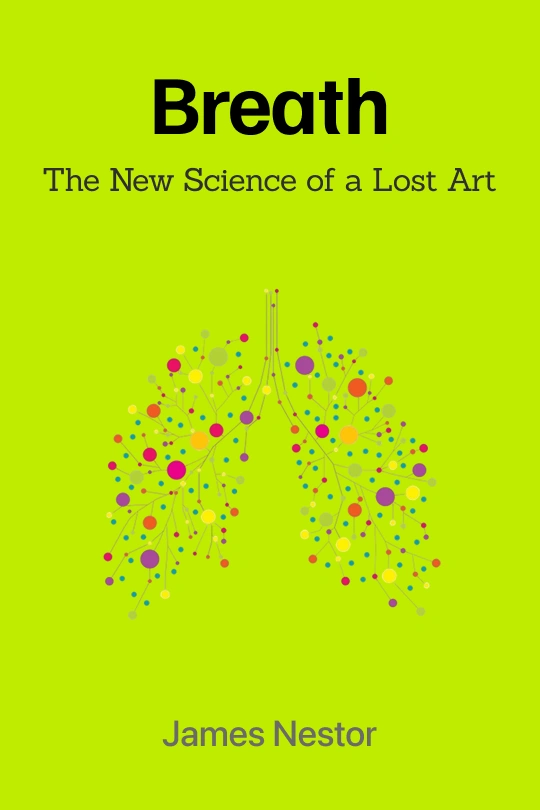
Breath: The New Science of a Lost Art
James Nestor
Bad Samaritans
Ha-Joon Chang

Amusing Ourselves to Death: Public Discourse in the Age of Show Business
Neil Postman

How to Win Friends & Influence People
Dale Carnegie

Permanent Record
Edward Snowden
The Road to Financial Freedom
Bodo Schäfer
Radical Markets: Uprooting Capitalism and Democracy for a Just Society
Eric A. Posner, E. Glen Weyl
Out of Control
Kevin Kelly
Stumbling on Happiness
Daniel Gilbert

Chip War: The Quest to Dominate the World's Most Critical Technology
Chris Miller
The Crash Course
Chris Martenson