

Creative Haven Nature Mandalas Coloring Book
by Marty Noble
“A meditative fusion of geometric mandala structure and organic natural motifs, designed to induce focused calm and artistic fulfillment.”
Key Takeaways
- 1Use coloring as a tool for mindfulness and stress reduction. The focused, repetitive act of coloring intricate patterns quiets the mind, creating a meditative state that alleviates anxiety and promotes mental clarity.
- 2Embrace the therapeutic power of symmetrical, nature-inspired art. The precise symmetry of the mandalas provides a satisfying visual anchor, while the organic imagery connects the practice to the calming rhythms of the natural world.
- 3Select fine-tipped tools for optimal results on intricate designs. The detailed line work demands precision instruments like fine-point pens, sharp pencils, or brush markers to honor the artwork's complexity without frustration.
- 4Allow the creative process to be non-judgmental and exploratory. The activity's value lies in the immersive process itself, freeing the colorist from artistic expectations and encouraging intuitive color choice and personal expression.
- 5Appreciate the single-sided, perforated pages for practical versatility. This thoughtful production design facilitates easy removal for display or framing and prevents bleed-through, accommodating a wider range of coloring mediums.
Description
Marty Noble's *Creative Haven Nature Mandalas Coloring Book* represents a sophisticated synthesis of two timeless artistic traditions: the structured, concentric geometry of the mandala and the boundless, flowing forms of the natural world. This collection transcends simple recreation, positioning itself as a deliberate instrument for contemplative practice. Each of the thirty-one designs is a self-contained ecosystem, where dragonflies, peacocks, seashells, and vines are meticulously woven into radial patterns that are both mathematically precise and botanically evocative.
The book’s intellectual premise rests on the mandala’s historical role as a meditative focal point, here democratized and secularized through the accessible medium of coloring. The illustrations are not mere decorations but intricate puzzles of line and form, inviting a state of flow. They range from moderately complex arrangements suitable for beginners to densely packed compositions that challenge even seasoned colorists, ensuring a graduated engagement with the practice.
This volume is explicitly crafted for an adult audience seeking an artistic respite from cognitive overload. It leverages the therapeutic benefits of focused attention, where the act of selecting colors and filling spaces becomes a form of active meditation. The perforated, single-sided pages are a functional acknowledgment of this purpose, allowing completed works to be removed for display, transforming a private exercise into a potential piece of personal art.
Ultimately, the book’s significance lies in its bridge between art therapy and casual creativity. It serves as a structured gateway to mindfulness, offering a tangible, wordless activity that reduces stress, stimulates visual-spatial reasoning, and provides a sanctuary of quiet concentration in a frenetic world.
Community Verdict
The coloring community embraces this book as a premier tool for therapeutic relaxation, praising its beautiful fusion of natural motifs with satisfyingly symmetrical mandala structures. The consensus highlights the designs' capacity to induce a meditative, anxiety-reducing state, with particular appreciation for the intricate detail and the high-quality, single-sided pages that facilitate framing. However, a significant critical thread notes that the very intricacy which many find absorbing can be a double-edged sword; some colorists find the line work excessively fine, demanding specialized tools and a steady hand, which can undermine the relaxing intent for those preferring broader strokes. A minor point of debate centers on perfect symmetry, which most celebrate but a few note is occasionally imperfect, disrupting the expected mandala form for purists.
Overall, the verdict is overwhelmingly positive, positioning the book as a standout in its genre for those who seek a challenging yet profoundly calming artistic exercise. It is recommended for adults and older children, with the caveat that its difficulty level is best matched with fine-tipped pens or sharp pencils.
Hot Topics
- 1The therapeutic and meditative benefits of coloring for stress and anxiety reduction, frequently cited as the primary value.
- 2Debate over the appropriate level of intricacy, with some praising the detailed challenge and others finding the spaces too small.
- 3Strong appreciation for the fusion of natural imagery (animals, flora) with traditional mandala geometry.
- 4The importance and universal praise for the book's symmetrical designs, with minor criticism from purists noting occasional imperfections.
- 5Practical discussions on the best coloring mediums (fine liners, sharp pencils, gel pens) to handle the detailed illustrations.
- 6Positive reception of the single-sided, perforated page design for easy removal and display of finished work.
Related Matches

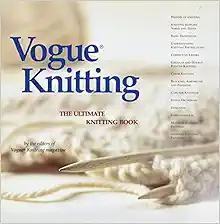
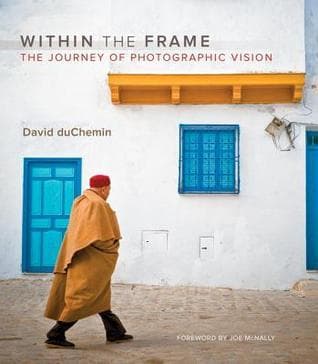
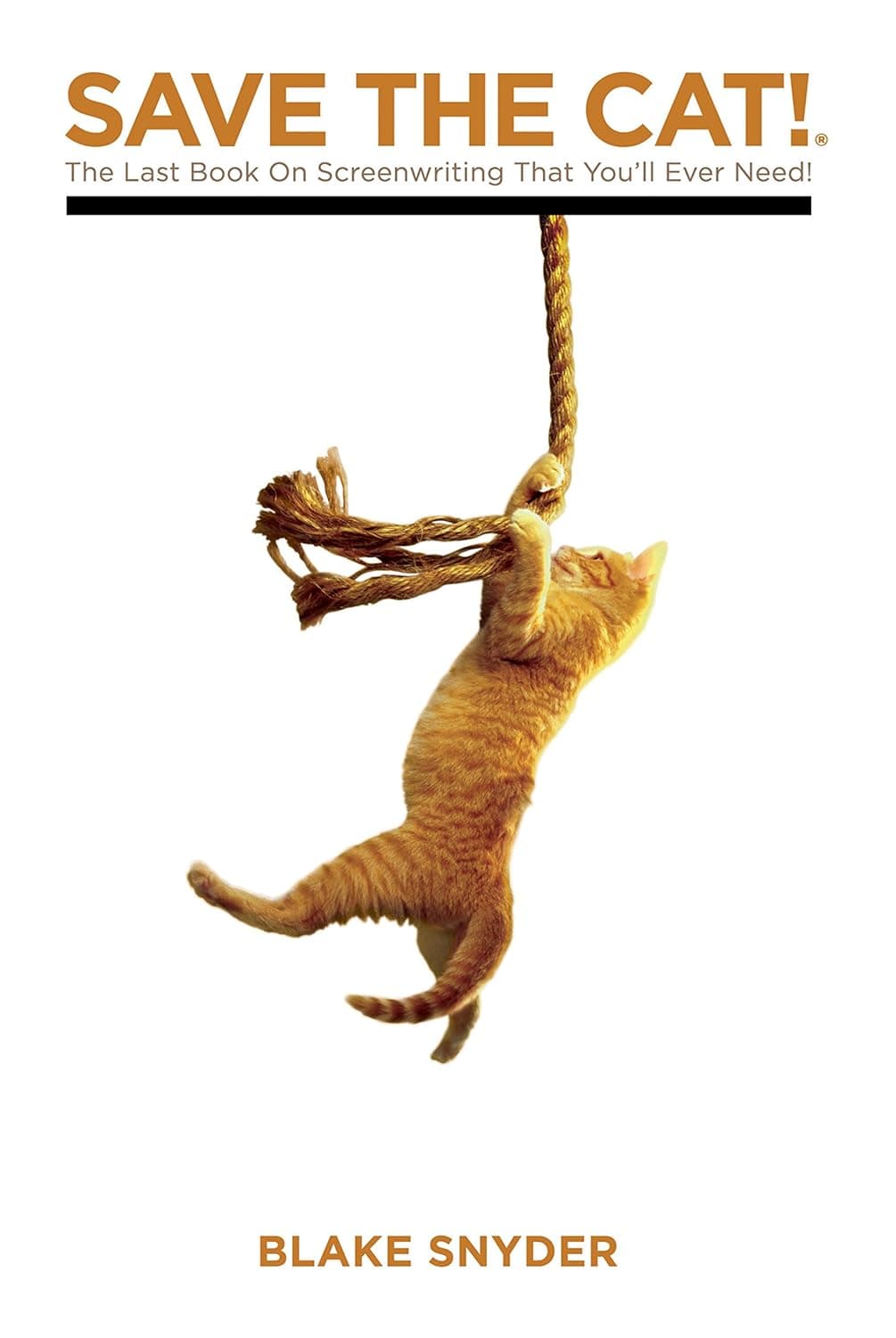
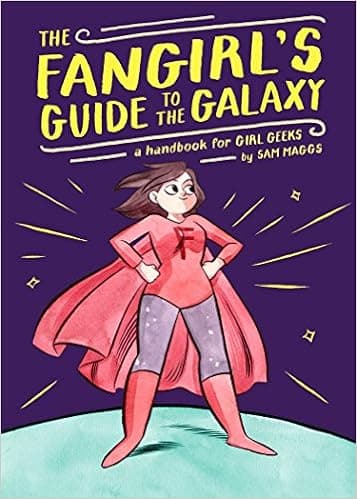
Popular Books

Harry Potter and the Deathly Hallows (Harry Potter, #7)
J.K. Rowling, Mary GrandPre

The Body Keeps the Score: Brain, Mind, and Body in the Healing of Trauma
Bessel A. van der Kolk

The House of Hades (The Heroes of Olympus, #4)
Rick Riordan

Never Split the Difference: Negotiating As If Your Life Depended On It
Chris Voss, Tahl Raz

The Hobbit: Graphic Novel
Chuck Dixon, J.R.R. Tolkien, David Wenzel, Sean Deming

Harry Potter and the Order of the Phoenix (Harry Potter, #5)
J.K. Rowling, Mary GrandPre

We Should All Be Feminists
Chimamanda Ngozi Adichie

Evicted: Poverty and Profit in the American City
Matthew Desmond

A Game of Thrones (A Song of Ice and Fire, #1)
George R.R. Martin

Why We Sleep: Unlocking the Power of Sleep and Dreams
Matthew Walker

Unbroken: A World War II Story of Survival, Resilience, and Redemption
Laura Hillenbrand

A Monster Calls
Patrick Ness, Jim Kay, Siobhan Dowd
Browse by Genres
History
Business
Leadership
Marketing
Management
Innovation
Economics
Productivity
Psychology
Mindset
Communication
Philosophy
Biography
Science
Technology
Society
Health
Parenting
Self-Help
Personal Finance
Investment
Relationship
Startups
Sales
Fitness
Nutrition
Wellness
Spirituality
Artificial Intelligence
Future
Nature
Classics
Sci-Fiction
Fantasy
Thriller
Mystery
Romance
Literary
Historical Fiction
Politics
Religion
Crime
Art
Creativity