

Role Models
"A self-portrait through the subversive figures who teach us to find neurotic happiness in the world's glorious perversity."
- 1Cultivate a personal canon of subversive inspiration. Artistic identity is forged not by mainstream heroes but by a private pantheon of extreme, criminal, or bizarre figures who challenge conventional morality and aesthetics.
- 2Embrace the art in the taboo and the kink. True creative vision transforms society's marginalia—transgression, bad taste, and obsession—into potent socio-political statements and a unique form of high art.
- 3Understand that fiction often reveals the deepest truths. Narrative and character, even in the most outlandish forms, provide a more authentic map of human desire, insanity, and behavior than factual reporting alone.
- 4Reject judgment in favor of relentless curiosity. Intellectual and emotional growth stems from a take-it-or-leave-it engagement with all reality, especially the parts that provoke disgust or confusion.
- 5Forge identity through infatuation and obsession. The self is a curated collection of influences; examining who we idolize, and why, is the most honest form of autobiography.
- 6Seek neurotic happiness over bland contentment. Fulfillment is found not in normalcy but in the idiosyncratic, personally-calibrated embrace of one's own peculiar tastes and inherited neuroses.
John Waters’s Role Models is less a conventional memoir than a curated tour through the gallery of his mind, using the portraits of others to paint his own. The book operates on the premise that we are the sum of our obsessions, and Waters’s are gloriously perverse. He constructs a self-portrait through intimate, often hilarious profiles of the figures—famous, unknown, criminal, and surprisingly square—who shaped his singular sensibility and taught him his brand of neurotic happiness.
The profiles range from the legendary, like Tennessee Williams and Little Richard, to the obscure, such as Esther Martin, proprietor of Baltimore’s most terrifying bar, or Bobby Garcia, auteur of gay Marines pornography. Waters dissects his adolescent fascination with the Manson family and his admiration for the atheist firebrand Madalyn Murray O’Hair with the same deadpan sincerity. Each chapter is an exercise in aesthetic and moral archaeology, digging into what these extreme personalities revealed to him about art, rebellion, and the boundaries of taste.
Through these encounters, Waters articulates a coherent, if radical, philosophy of art and life. He argues for the transformative power of embracing the taboo, finding the sublime in the ridiculous, and recognizing that the most authentic truths are often housed in fiction and fringe behavior. The book is a masterclass in how to build a creative identity from the cultural detritus that polite society rejects.
Role Models ultimately serves as an intellectual bildungsroman for the misfit. Its target audience is anyone who has ever felt out of step with the mainstream, offering not just validation but a blueprint for constructing a meaningful, joyful life from the raw materials of one’s own peculiar inspirations. It solidifies Waters’s legacy not merely as a filmmaker but as a profound and witty cultural critic who redefines what—and who—is worthy of our admiration.
The consensus celebrates Waters's uniquely perverse and hilarious intellect, with readers admiring his fearless honesty and the book's role as a key to understanding his artistic mind. The primary critique centers on the esoteric nature of some role models, which can feel alienating or self-indulgent to those less immersed in his particular cultural orbit. While not for the easily offended, it is widely deemed essential for fans and a compelling case study in identity formation for the creatively inclined.
- 1The line between artistic inspiration and questionable morality in Waters's admiration for figures like the Manson family.
- 2Debate over the accessibility and relatability of Waters's extremely niche and obscure personal heroes.
- 3The book's effectiveness as a veiled autobiography versus a straightforward collection of profiles.
- 4Appreciation for Waters's writing style and his ability to find profound humor in transgression and bad taste.
The Book of Basketball: The NBA According to The Sports Guy
Bill Simmons

The Road to Financial Freedom
Bodo Schäfer
The Almanack of Naval Ravikant
Naval Ravikant, Eric Jorgenson
The Norwegian Method
Brad Culp

Permanent Record
Edward Snowden
The Creative Habit
Twyla Tharp, Mark Reiter
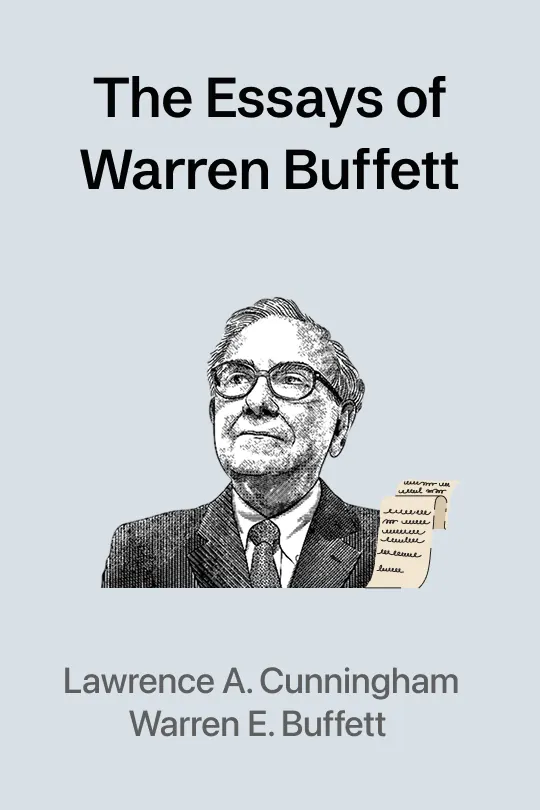
The Essays of Warren Buffett: Lessons for Corporate America
Lawrence A. Cunningham, Warren Buffett
Transformation in Christ
Dietrich Von Hildebrand

The Intelligent Investor
Benjamin Graham

Breakthrough: The Quest for Life-Changing Medicines
Dr William Pao
How to Win Friends & Influence People
Dale Carnegie
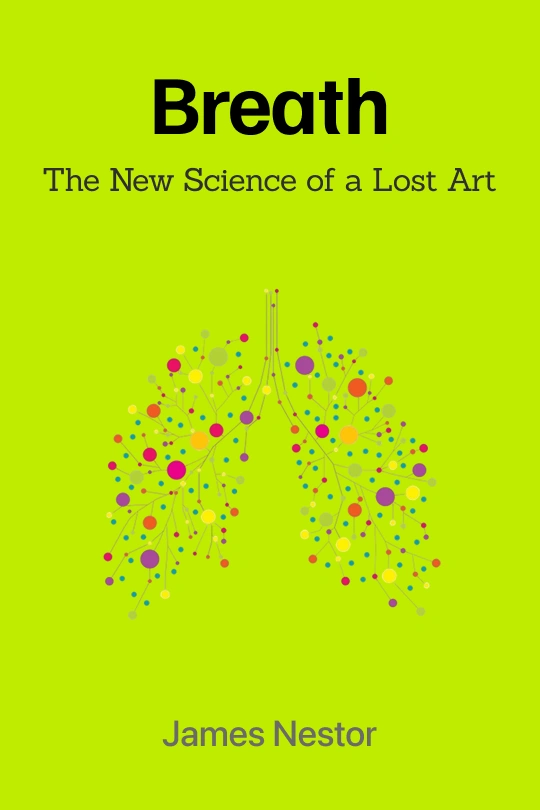
Breath: The New Science of a Lost Art
James Nestor