
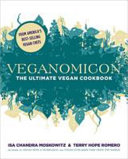
Veganomicon
"Demystifies plant-based cooking with rigorously tested, boldly flavored recipes that transform vegetables into culinary centerpieces."
- 1Master foundational vegan cooking techniques first. The book grounds its recipes in essential methods for handling vegetables, grains, and legumes, building a cook's confidence and competence before exploring complex flavor combinations.
- 2Structure your kitchen for efficient vegan meal production. It provides strategic guidance on pantry stocking, equipment, and prep workflows, turning a standard kitchen into an optimized space for plant-based cooking.
- 3Employ global flavor profiles to create satisfying depth. Recipes draw from Mediterranean, Latin American, and Eastern European traditions, using spices, herbs, and umami-rich ingredients to build complexity without animal products.
- 4Utilize clear icons to navigate dietary restrictions instantly. A system of symbols identifies soy-free, gluten-free, low-fat, and quick recipes, making meal planning accessible for diverse nutritional needs and time constraints.
- 5Treat vegetables as the main event, not a side dish. Techniques like roasting, grilling, and braising are applied to elevate produce, creating hearty, satisfying dishes that challenge the notion of vegan food as inherently lacking.
- 6Approach baking and desserts as precise chemical experiments. The dessert section demystifies egg and dairy substitution, providing reliable formulas for achieving desired textures in cakes, cookies, and puddings.
Veganomicon arrives not as a niche diet manual but as a comprehensive culinary manifesto, asserting that plant-based cooking can be robust, technically sound, and deeply flavorful. Its authority stems from the rigorous kitchen-testing of every one of its over 250 recipes, ensuring reliability for both novice and experienced cooks. The book functions as a complete culinary education, beginning with essential techniques for conquering vegetables, legumes, and grains before launching into its expansive recipe catalog.
It organizes its world of recipes with pragmatic intelligence, featuring a detailed table of contents that categorizes dishes by type—from soups and salads to casseroles and desserts—and by practical considerations like preparation time. This structure empowers meal planning. The recipes themselves are celebrated for their clear, detailed instructions and their bold, globally-inspired flavors, moving far beyond bland stereotypes to include dishes like Cauliflower and Mushroom Pot Pie with Black Olive Crust and Potato and Kale Enchiladas.
Beyond the recipes, the book serves as a strategic guide to kitchen management, offering advice on stocking a vegan pantry and selecting key equipment. It thoughtfully addresses common dietary restrictions with a clear icon system denoting soy-free, gluten-free, and low-fat options, broadening its accessibility.
As a foundational text in modern vegan cuisine, Veganomicon’s impact lies in its normalization of plant-based cooking as a serious, satisfying, and creative pursuit. It targets anyone seeking to expand their culinary repertoire, providing the technical confidence and inspirational recipes to make vegetables the unequivocal star of the plate.
The consensus positions Veganomicon as an essential, reliable workhorse for the plant-based kitchen. Readers universally praise its clear instructions and successful, flavor-packed recipes that consistently deliver. The primary critique is a desire for more integrated photography, as the stunning photos are clustered in a central section rather than accompanying each recipe. The book’s witty, accessible tone and practical organization, especially its icon system for dietary needs, are repeatedly highlighted as major strengths that make advanced vegan cooking feel approachable.
- 1The central clustering of all photographs, separated from their corresponding recipes, is a frequent point of criticism for users seeking visual guidance.
- 2Debate over recommended vegetable cooking times, with some experienced cooks finding them longer than necessary for optimal texture.
- 3High praise for the book's pragmatic organization and icon system for identifying soy-free, gluten-free, and quick recipes.
- 4Appreciation for the authors' humorous and encouraging writing voice, which makes the instructional text engaging to read.
- 5Requests for a restaurant serving these recipes, highlighting the desire to experience the dishes professionally executed.

Chip War: The Quest to Dominate the World's Most Critical Technology
Chris Miller

The Almanack of Naval Ravikant
Naval Ravikant, Eric Jorgenson

The Intelligent Investor
Benjamin Graham
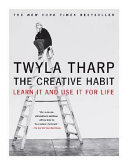
The Creative Habit
Twyla Tharp, Mark Reiter

Just Listen: Discover the Secret to Getting Through to Absolutely Anyone
Mark Goulston

Code: The Hidden Language of Computer Hardware and Software
Charles Petzold
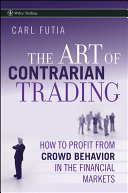
The Art of Contrarian Trading
Carl Futia

The Psychology of Money: Timeless Lessons on Wealth, Greed, and Happiness
Morgan Housel

The Road to Financial Freedom
Bodo Schäfer
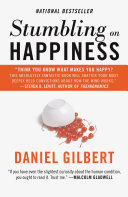
Stumbling on Happiness
Daniel Gilbert
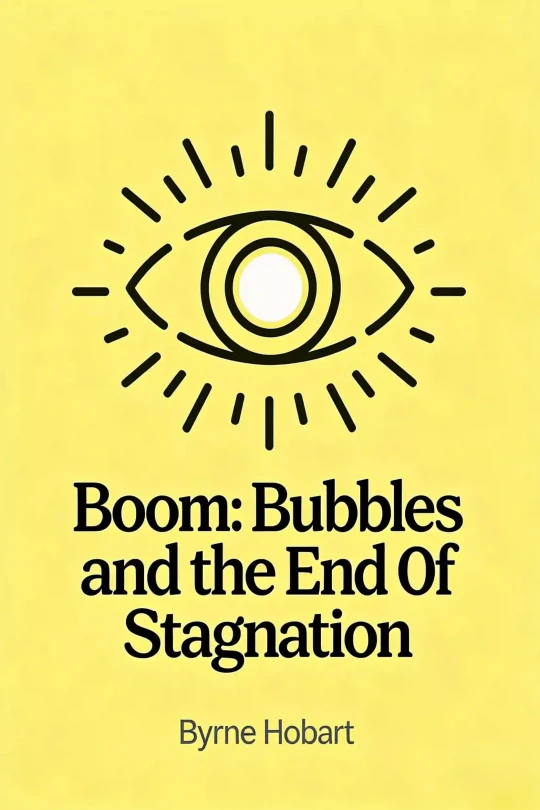
Boom: Bubbles and the End of Stagnation
Byrne Hobart
Bad Samaritans
Ha-Joon Chang