
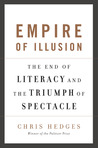
Empire of Illusion: The End of Literacy and the Triumph of Spectacle
"A searing diagnosis of a culture that has traded critical thought for comforting, self-destructive fantasies."
- 1Distinguish between literate and post-literate societies. A functional minority navigates complexity through print literacy, while a growing majority retreats into a spectacle-driven world of false certainty, eroding the shared basis for democratic discourse.
- 2Recognize spectacle as a tool of social control. The fusion of politics, education, and entertainment into pure spectacle pacifies the populace, replacing engagement with passive consumption and making critical dissent appear irrelevant or absurd.
- 3Confront the dehumanizing logic of extreme pornography. Pornography's evolution toward cruelty and domination reflects a broader societal shift, objectifying individuals and eroding empathy, which facilitates wider patterns of exploitation and control.
- 4Critique the corporatization of higher education. Universities have abandoned the humanities and critical thought for profit-driven credentialing, producing compliant graduates ill-equipped to challenge power or understand historical context.
- 5Understand the link between illiteracy and fascism. A post-literate public, unable to parse complex narratives or evidence, becomes susceptible to the emotional, simplistic, and often brutal appeals of authoritarian movements.
Pulitzer Prize-winning journalist Chris Hedges delivers a trenchant cultural critique in the tradition of Neil Postman and Christopher Lasch, arguing that Western society, particularly America, is in the advanced stages of a corrosive transition. We are moving from a reality-based, print-literate culture capable of nuance and self-correction into an "empire of illusion"—a realm of spectacle where fantasy is preferred to truth, emotion overrides reason, and image completely supersedes substance.
Hedges structures his polemic across several vivid, interconnected case studies. He dissects the world of professional wrestling as a metaphor for a debased political discourse, where manufactured narratives and simplistic moral conflicts entertain a disengaged public. He examines the pornography industry not merely as a vice but as a symptom of a society that commodifies intimacy and equates power with degradation. His investigation extends into the heart of the academy, revealing a higher education system that has capitulated to corporate models, sidelining the humanities and critical thought in favor of job training and empty credentialism.
The book's final thrust connects this pervasive illiteracy and flight from reality to the looming threat of a new, peculiarly American fascism. Hedges posits that a populace unable to separate illusion from truth, ignorant of history and incapable of sustained narrative thought, becomes dangerously vulnerable to demagoguery and brute force. "Empire of Illusion" is thus a stark, urgent warning aimed at the literate minority, charting the dramatic erosion of the intellectual and moral foundations necessary for a functioning democracy.
Readers respect Hedges' perceptive and intelligent diagnosis of cultural decay, finding his arguments on education, politics, and pornography compelling and alarmingly accurate. However, a significant portion of the audience is alienated by the book's unrelentingly grim and prophetic tone, which some compare to alarmist street-corner preaching. The consensus is that the work is a powerful, if deeply pessimistic, provocation that is more effective as a warning siren than a balanced analysis.
- 1The validity of Hedges' apocalyptic tone, debated as either necessary urgency or counterproductive alarmism.
- 2The analysis of higher education's corporatization and abandonment of the humanities for job training.
- 3The examination of extreme pornography as a reflection of societal cruelty and dehumanization.
- 4The central thesis linking mass illiteracy to the vulnerability of democracy and rise of fascism.
Radical Markets: Uprooting Capitalism and Democracy for a Just Society
Eric A. Posner, E. Glen Weyl
Bad Samaritans
Ha-Joon Chang
Chip War: The Quest to Dominate the World's Most Critical Technology
Chris Miller
The Crash Course
Chris Martenson

Code: The Hidden Language of Computer Hardware and Software
Charles Petzold
Just Listen: Discover the Secret to Getting Through to Absolutely Anyone
Mark Goulston
The Artist's Way
Julia Cameron
Amusing Ourselves to Death: Public Discourse in the Age of Show Business
Neil Postman
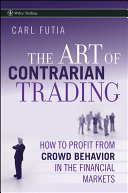
The Art of Contrarian Trading
Carl Futia
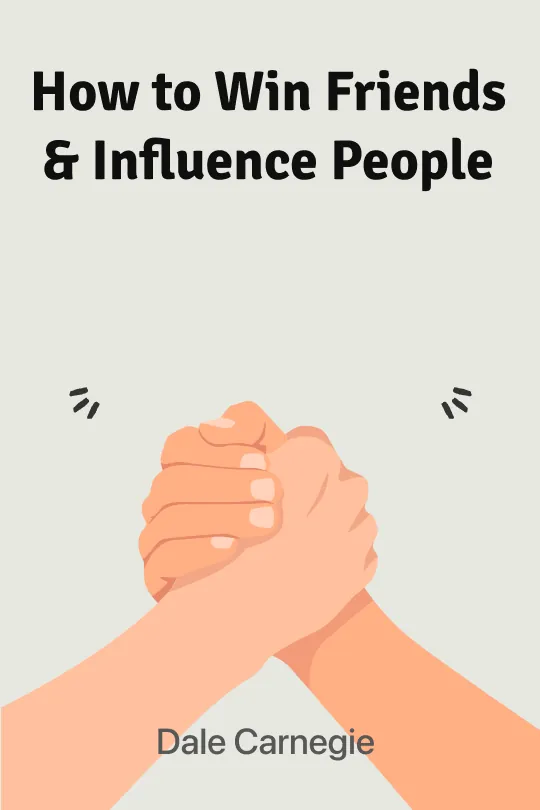
How to Win Friends & Influence People
Dale Carnegie
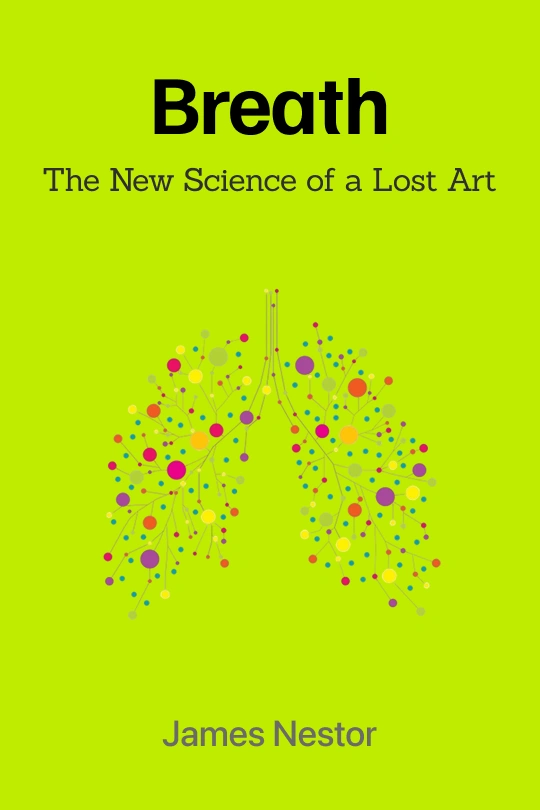
Breath: The New Science of a Lost Art
James Nestor
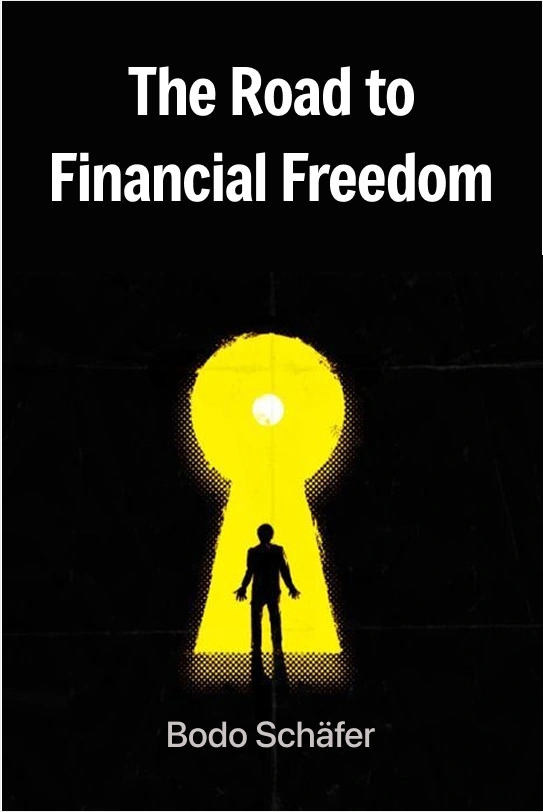
The Road to Financial Freedom
Bodo Schäfer