
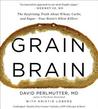
Grain Brain: The Surprising Truth about Wheat, Carbs, and Sugar--Your Brain's Silent Killers
"Reclaim your neurological destiny by replacing grains and sugars with fat, the brain's essential fuel."
- 1Treat dietary carbohydrates as a primary neurological threat. Common carbohydrates, including whole grains, trigger inflammation that damages brain tissue, leading to cognitive decline, mood disorders, and neurodegenerative diseases like Alzheimer's.
- 2Prioritize dietary fat and cholesterol for optimal brain function. The brain is composed largely of fat and requires cholesterol for structure and synaptic communication; a high-fat, low-carb diet supports neurogenesis and protects against cognitive decay.
- 3Leverage epigenetics to reprogram your genetic health destiny. Lifestyle and dietary choices directly influence gene expression, allowing individuals to activate 'smart genes' that combat disease and promote brain health without pharmaceutical intervention.
- 4Implement a strict four-week dietary protocol to reset metabolism. A structured elimination plan, removing all grains and sugars while increasing healthy fats, systematically reduces inflammation, heals the gut, and restores fundamental brain-body biochemistry.
- 5Recognize the gut-brain axis as central to mental health. Intestinal permeability and gut microbiome imbalances directly impact neurological inflammation, linking digestive health to conditions like anxiety, depression, and ADHD.
- 6Reject the conventional nutritional dogma promoting whole grains. The widely advocated high-carb, low-fat diet is a historical misstep that exacerbates modern epidemics of diabetes, obesity, and dementia, necessitating a paradigm shift in nutritional science.
In 'Grain Brain,' neurologist David Perlmutter presents a provocative thesis that inverts conventional dietary wisdom: the greatest threat to brain health is not dietary fat but carbohydrates, including those from supposedly healthy whole grains. He argues that sugars and gluten-containing grains silently drive systemic inflammation, which in turn damages brain tissue, disrupts neurological function, and lays the groundwork for devastating conditions like Alzheimer's disease, depression, ADHD, and chronic headaches. This inflammation, coupled with the effects of elevated blood sugar, creates an environment hostile to neural plasticity and repair.
Perlmutter meticulously builds his case by examining the evolutionary human diet, which was predominantly fat-based, and contrasts it with the modern grain-heavy paradigm promoted since the mid-20th century. He delves into the science of the gut-brain connection, explaining how intestinal permeability ('leaky gut') allows inflammatory particles to enter the bloodstream and cross the blood-brain barrier. The book further explores the role of cholesterol and fats as fundamental building blocks for brain cells and neurotransmitters, challenging the demonization of dietary cholesterol and saturated fat.
The core of the work is a practical, four-week plan designed to reprogram the body's metabolism. This protocol eliminates all gluten-containing grains, sugars, and processed carbohydrates while encouraging the consumption of healthy fats, select proteins, and low-glycemic vegetables. It includes guidance on exercise, sleep, and supplementation to support neurogenesis—the growth of new brain cells. Perlmutter also discusses the emerging field of epigenetics, positioning diet as the primary lever for influencing gene expression related to inflammation and longevity.
'Grain Brain' targets anyone concerned with cognitive decline, chronic neurological symptoms, or metabolic health, offering a radical alternative to drug-centric treatments. Its significance lies in its attempt to bridge clinical neurology with nutritional biochemistry, positioning dietary intervention as a powerful, underutilized tool for preventing and managing some of the most feared maladies of the modern age. The book sparked widespread public debate and became a cornerstone text for the low-carb, high-fat health movement.
The community is sharply polarized. Enthusiastic advocates hail the book as life-changing, crediting its four-week plan with dramatic improvements in energy, mental clarity, and chronic health conditions. They praise its accessible presentation of complex science as empowering and revelatory. Conversely, a significant contingent of readers criticizes the work for its extreme, alarmist stance and perceived cherry-picking of data to support a preordained conclusion. These critics find the blanket condemnation of all grains scientifically reductive and the dietary protocol unnecessarily restrictive and difficult to maintain long-term.
- 1The scientific validity of blaming all grains, including whole grains, for causing dementia and ADHD.
- 2The practicality and long-term sustainability of the ultra-restrictive, high-fat dietary protocol.
- 3The life-changing personal health transformations versus skepticism over the book's alarmist tone.
- 4Debate over the author's interpretation of nutritional epidemiology and cholesterol science.

Sapiens: A Brief History of Humankind
Yuval Noah Harari

The Essays of Warren Buffett: Lessons for Corporate America
Lawrence A. Cunningham, Warren Buffett

The Almanack of Naval Ravikant
Naval Ravikant, Eric Jorgenson

Transformation in Christ
Dietrich Von Hildebrand

How to Win Friends & Influence People
Dale Carnegie

Stumbling on Happiness
Daniel Gilbert

The Intelligent Investor
Benjamin Graham

The Crash Course
Chris Martenson
Breath: The New Science of a Lost Art
James Nestor

Outliers: The Story of Success
Malcolm Gladwell

Just Listen: Discover the Secret to Getting Through to Absolutely Anyone
Mark Goulston

Out of Control
Kevin Kelly