

168 Hours: You Have More Time Than You Think
"Reclaim your life by auditing your week, eliminating time confetti, and investing hours in your core competencies."
- 1Conduct a rigorous time audit of your 168-hour week. Tracking time with precision reveals the gap between perceived scarcity and actual availability, exposing hours lost to low-value activities that can be reclaimed for meaningful pursuits.
- 2Define and fiercely protect your core competencies. Personal and professional fulfillment stems from focusing energy on what you do uniquely well. Everything else is a candidate for drastic reduction, delegation, or elimination.
- 3Treat time as a portfolio to be strategically allocated. Move beyond mere scheduling to intentional investment. Allocate blocks of time to high-priority life domains first, ensuring your actions reflect your stated values and ambitions.
- 4Outsource or minimize tasks outside your core competencies. The path to creating significant time is not minor efficiency gains but radical reallocation. Hiring help for chores can be a strategic investment in your highest-value work and relationships.
- 5Build a life around fixed pillars, not fragmented moments. Stability comes from anchoring your week with non-negotiable blocks for sleep, family, and deep work. This framework creates structure, reducing decision fatigue and protecting priorities from daily chaos.
- 6Reject the myth of the time-starved professional or parent. The narrative of perpetual busyness is often a choice masquerading as a condition. Successful people make time for what matters by letting lesser priorities, not core ones, fail when plans change.
In a culture obsessed with busyness as a badge of honor, Laura Vanderkam's 168 Hours delivers a radical and data-driven counter-narrative: the problem is not a shortage of time, but a misallocation of it. The book dismantles the pervasive feeling of time poverty by insisting we examine the full, unvarnished ledger of a week—168 hours—arguing that within this expanse lies ample room for a rich and accomplished life.
Vanderkam's methodology begins with a forensic time audit, urging readers to log a week to distinguish between perceived and actual time use. The core philosophical shift she advocates is moving from reactive scheduling to proactive portfolio management. Instead of letting the calendar fill with the urgent and mundane, one must first block out time for "core competencies"—the activities that define one's professional value and personal joy—and for non-negotiable pillars like sleep and family.
The book provides practical strategies for this reallocation, championing the concept of selective neglect and strategic outsourcing. Vanderkam argues convincingly that tasks outside one's core competencies, from housecleaning to mundane errands, should be minimized, delegated, or hired out. This creates significant weekly time reserves. She illustrates her points with profiles of individuals who, by applying these principles, manage to excel in careers while maintaining robust personal lives, hobbies, and adequate rest.
168 Hours is ultimately a manifesto for intentional living, targeted at ambitious professionals, overwhelmed parents, and anyone feeling trapped by the daily grind. Its lasting impact lies in transforming time from a source of anxiety into a manageable resource, empowering readers to design a week that reflects their deepest ambitions rather than their most immediate demands.
The consensus acknowledges the book's powerful conceptual framework for auditing and rethinking time, which many find genuinely transformative. However, a significant and recurring critique centers on its perceived privilege; specific solutions like hiring domestic help feel inaccessible to a non-affluent audience, creating a barrier to full implementation. Readers value its actionable exercises and motivational push but caution that its idealized case studies require adaptation to more constrained realities.
- 1The practicality and privilege inherent in solutions like outsourcing chores and hiring help for non-affluent readers.
- 2The effectiveness and revelatory nature of the book's core exercise: conducting a full 168-hour time audit.
- 3The applicability and focus of the advice for parents of young children versus individuals with different life structures.
- 4The motivational value of the '100 Dreams List' exercise for long-term goal setting and priority clarification.
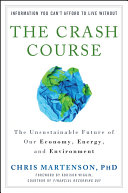
The Crash Course
Chris Martenson
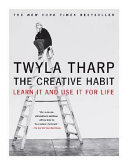
The Creative Habit
Twyla Tharp, Mark Reiter

Code: The Hidden Language of Computer Hardware and Software
Charles Petzold
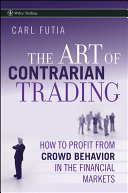
The Art of Contrarian Trading
Carl Futia
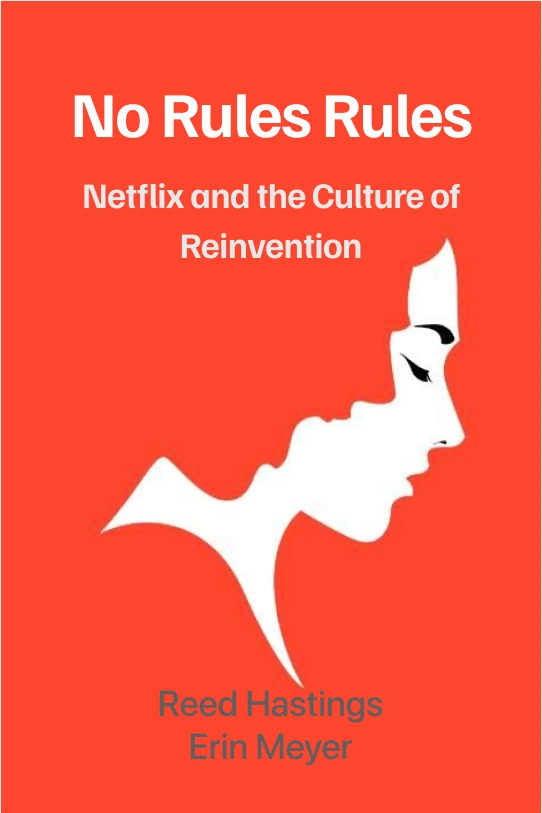
No Rules Rules: Netflix and the Culture of Reinvention
Reed Hastings, Erin Meyer
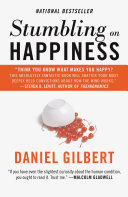
Stumbling on Happiness
Daniel Gilbert

Breakthrough: The Quest for Life-Changing Medicines
Dr William Pao

The Psychology of Money: Timeless Lessons on Wealth, Greed, and Happiness
Morgan Housel

Sapiens: A Brief History of Humankind
Yuval Noah Harari

Just Listen: Discover the Secret to Getting Through to Absolutely Anyone
Mark Goulston
Bad Samaritans
Ha-Joon Chang
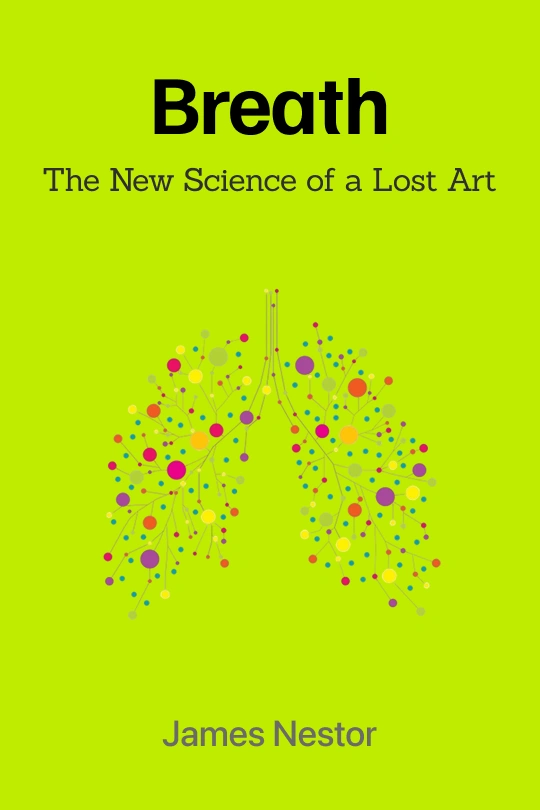
Breath: The New Science of a Lost Art
James Nestor