

The Brain That Changes Itself: Stories of Personal Triumph from the Frontiers of Brain Science
"Your brain is not hardwired; it can rewire itself to overcome damage, cure disorders, and expand human potential."
- 1The brain is a dynamic, self-rewiring organ. Neuroplasticity overturns the dogma of the fixed brain, revealing that neural pathways can form and reform throughout life in response to thought, experience, and training.
- 2Mental practice can physically reshape the brain. Vivid mental rehearsal activates and strengthens neural circuits almost as effectively as physical action, providing a powerful tool for recovery and skill acquisition.
- 3Conscious effort can override ingrained patterns. Through focused attention and repetitive practice, individuals can dismantle destructive habits, from obsessive-compulsive behaviors to phantom limb pain, by forging new neural pathways.
- 4Sensory and cognitive functions are not fixed at birth. Blindness, learning disabilities, and even portions of missing brain matter can be compensated for as the brain reassigns cortical real estate to new functions.
- 5Cultural and technological inputs reshape our neural architecture. Our modern environment, from internet use to pornography, actively sculpts brain circuits, creating new capacities for adaptation while presenting risks of addiction and distraction.
- 6Aging brains retain significant capacity for rejuvenation. Cognitive decline is not an inevitable slide; targeted mental and physical exercise can stimulate neurogenesis and enhance plasticity, restoring function and vitality.
Norman Doidge’s groundbreaking work dismantles one of medicine’s most entrenched doctrines: the belief that the adult brain is a static, hardwired machine. Introducing the revolutionary science of neuroplasticity, the book argues that the brain is a dynamic organ, constantly reshaping itself in response to thought, activity, and experience. This paradigm shift overturns fatalistic diagnoses, suggesting that conditions once deemed permanent—from stroke damage to learning disorders—may be treatable through the brain’s innate capacity for change.
Doidge structures his investigation as a series of vivid narratives, traveling from the labs of pioneering scientists to the lives of patients transformed by plastic principles. He details cases where blind individuals learn to see using sensory substitution devices, where stroke victims regain speech through determined mental practice, and where cognitive exercises reverse the trajectory of age-related mental decline. The book explores how mental rehearsal alone can strengthen neural circuits, how obsessive-compulsive loops can be broken, and how the brain can reassign cortical territory, as in the remarkable instance of a woman functioning fully with half a brain.
The narrative extends beyond clinical recovery into the realms of love, culture, and education, examining how our modern technological environment actively sculpts our neural pathways. Doidge delves into the addictive potential of internet pornography as a case study in maladaptive plasticity, and considers how educational methods might be redesigned to harness the brain’s malleable nature for optimal learning.
Ultimately, this is a work of profound optimism that redefines human potential. It synthesizes complex neuroscience into accessible, human-centered stories, arguing that our nature is not fixed but fluid. The book’s legacy lies in empowering readers—patients, educators, therapists, and the general public—with the knowledge that we can, through directed effort and understanding, take an active role in shaping our own minds.
Readers hail the book as a paradigm-shifting and profoundly hopeful introduction to neuroplasticity, celebrating its accessible science and inspiring case studies. The core critique centers on a perceived unevenness in tone, with some chapters—particularly the exploration of sexuality and pornography—feeling more like advocacy than dispassionate reporting. While a few find the presentation occasionally repetitive or overly anecdotal, the consensus affirms its value as a seminal, mind-expanding work that permanently alters one's view of the brain's capabilities.
- 1The revolutionary and hopeful implications of neuroplasticity for treating stroke, OCD, and learning disabilities.
- 2Debate over the tone and perceived bias in the chapter examining pornography's impact on the brain.
- 3The compelling use of patient narratives and case studies to illustrate complex scientific principles.
- 4Discussion on the book's accessibility versus its scientific depth for a general audience.
- 5The transformative idea that mental practice alone can physically rewire the brain.

Permanent Record
Edward Snowden

The Norwegian Method
Brad Culp

Transformation in Christ
Dietrich Von Hildebrand

Chip War: The Quest to Dominate the World's Most Critical Technology
Chris Miller

Outliers: The Story of Success
Malcolm Gladwell

The Intelligent Investor
Benjamin Graham

The Artist's Way
Julia Cameron
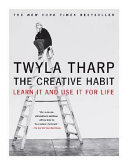
The Creative Habit
Twyla Tharp, Mark Reiter

Breakthrough: The Quest for Life-Changing Medicines
Dr William Pao

Code: The Hidden Language of Computer Hardware and Software
Charles Petzold

Out of Control
Kevin Kelly
The Psychology of Money: Timeless Lessons on Wealth, Greed, and Happiness
Morgan Housel