
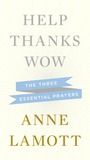
Help Thanks Wow: The Three Essential Prayers
"A secular, grace-filled guide to prayer for anyone who has ever felt broken, lost, or simply human."
- 1Prayer begins with radical honesty, not piety. Authentic communication with the divine or the universe requires showing up as you are—frightened, angry, or flawed—without pretense. This raw honesty is the foundation of a meaningful spiritual practice.
- 2The prayer of 'Help' is an act of liberation. Admitting utter helplessness and surrendering control is not a sign of weakness but the first step toward receiving grace. It creates space for a solution beyond one's own limited resources.
- 3Cultivate 'Thanks' as a deliberate practice of attention. Gratitude is a conscious choice to focus on small, specific mercies amidst chaos. This practice rewires perception, fostering resilience and anchoring one in the present moment of goodness.
- 4Seek 'Wow' to reconnect with awe and wonder. The prayer of awe is a spontaneous response to beauty, kindness, or the vastness of existence. It momentarily dissolves the self, offering perspective and a visceral sense of connection to something greater.
- 5Grace is an unearned gift, not a reward for virtue. Lamott posits that grace arrives unexpectedly, often in our most broken states, offering peace or a 'second wind' without requiring understanding or worthiness. It operates on a logic separate from human merit.
- 6Spiritual practice is for daily life, not the sanctuary. These three prayers are tools for navigating mundane hardships, personal failures, and daily anxieties. They demystify spirituality, making it accessible and relevant to ordinary, messy human experience.
Anne Lamott’s 'Help Thanks Wow' dismantles the ornate, formalized structures often associated with prayer, arguing instead for a stripped-down, essential vocabulary for the modern seeker. She posits that all authentic spiritual communication can be distilled into three fundamental utterances: a cry for assistance, an expression of gratitude, and a gasp of awe. This framework is not theological dogma but a pragmatic, psychological toolset born from Lamott’s own decades of navigating faith, addiction, loss, and the relentless anxieties of everyday life.
The book dedicates its core to exploring each prayer in turn. 'Help' is framed as the first and most honest prayer—the admission of hitting bottom, of profound unknowing, and the surrender of the illusion of control. Lamott illustrates how this desperate plea creates the necessary emptiness for grace to enter. 'Thanks' is presented as the conscious, disciplined practice of noticing and naming small goodnesses, a counterweight to the brain’s natural negativity bias that builds resilience. 'Wow' captures those involuntary moments of transcendent wonder, whether before a sunset or an act of kindness, that reconnect us to the vast, mysterious fabric of existence.
Lamott weaves her exploration with autobiographical candor, self-deprecating humor, and references to a God she sometimes calls 'Phil.' Her approach is relentlessly earthbound, focusing on prayer’s function in coping with difficult parents, political despair, and personal failure rather than in achieving mystical states. The final reflections on 'Amen' treat it not as an ending, but as an affirmation of faith—the willingness to say 'Yes' to what comes next, even without guarantees.
This brief volume serves as an accessible gateway to contemplative practice for the spiritually curious, the religiously disillusioned, or anyone weathering a personal storm. Its significance lies in its demystification of prayer, repositioning it from a ritual of the pious to a vital, innate human response to crisis, connection, and beauty, thus claiming a space for authentic spirituality outside institutional walls.
The consensus celebrates Lamott’s signature blend of irreverent humor and profound compassion, which makes spiritual concepts feel accessible and deeply human. Readers consistently praise the book’s practical, non-judgmental approach to prayer, especially the powerful framing of 'Help' as liberating surrender. Criticisms focus on the book’s brevity and repetitiveness, with some finding the anecdotal style overly simplistic or self-indulgent. It is broadly seen as a balm for the wounded and a perfect gift for those skeptical of traditional religious language.
- 1The refreshing, relatable irreverence of Lamott's approach to God and prayer, which demystifies spirituality for a modern audience.
- 2Debates on the book's substantive depth versus its perceived simplicity and repetitive, anecdotal structure.
- 3The profound personal impact of the 'Help' prayer as a tool for surrendering control during crisis or addiction.
- 4Its effectiveness as a gateway book for the spiritually curious or as a meaningful gift during times of grief or struggle.
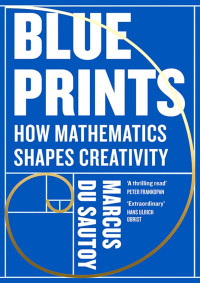
Blueprints: How mathematics shapes creativity
Marcus du Sautoy
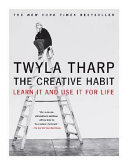
The Creative Habit
Twyla Tharp, Mark Reiter

Boom: Bubbles and the End of Stagnation
Byrne Hobart

The Intelligent Investor
Benjamin Graham

Just Listen: Discover the Secret to Getting Through to Absolutely Anyone
Mark Goulston

The Essays of Warren Buffett: Lessons for Corporate America
Lawrence A. Cunningham, Warren Buffett
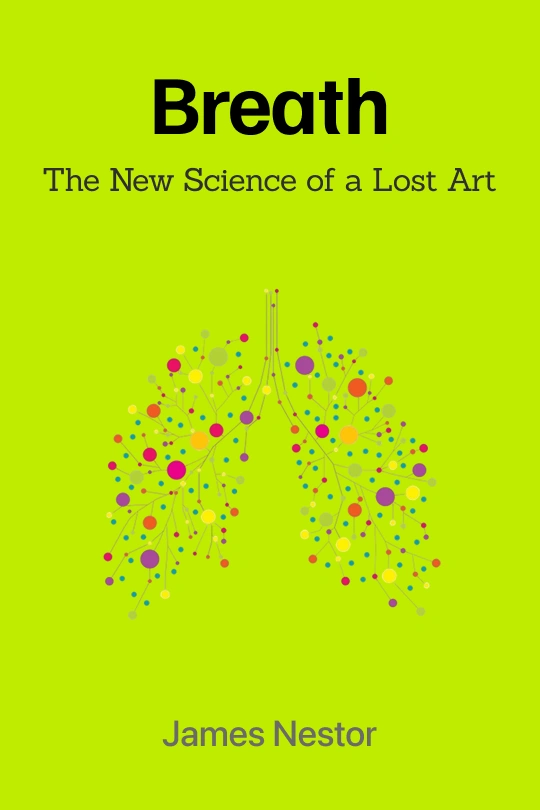
Breath: The New Science of a Lost Art
James Nestor
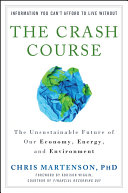
The Crash Course
Chris Martenson

Sapiens: A Brief History of Humankind
Yuval Noah Harari

Breakthrough: The Quest for Life-Changing Medicines
Dr William Pao

The Almanack of Naval Ravikant
Naval Ravikant, Eric Jorgenson
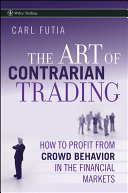
The Art of Contrarian Trading
Carl Futia