
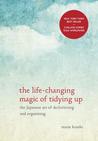
The Life-Changing Magic of Tidying Up: The Japanese Art of Decluttering and Organizing
"A radical, once-and-for-all purge guided by a single, animating question: does this object spark joy?"
- 1Tidy by category, not by location. The conventional room-by-room approach perpetuates clutter. Gathering every item from a single category—all clothes, all books—forces a decisive reckoning with the true volume of your possessions, creating irreversible momentum.
- 2Discard first, organize second. Storage solutions are a last resort, not a first step. The core work is a rigorous selection process; only after discarding everything that fails to spark joy do you consider where to place the cherished remainder.
- 3Hold each item and ask if it sparks joy. This tactile, emotional litmus test bypasses rationalization. The visceral, often immediate feeling of uplift or dullness provides a clearer guide for what to keep than practical utility or guilt.
- 4Thank items before discarding them. This ritual honors the item's past service and releases the owner from guilt or sentimentality. It reframes discarding not as waste, but as a respectful conclusion to an object's purpose.
- 5Achieve a complete transformation in one concentrated effort. The method demands a short, intense period of tidying to create a dramatic shift in consciousness. This 'shock therapy' for the home breaks the cycle of gradual re-cluttering and solidifies new habits.
- 6Fold and store items vertically to maximize visibility. This storage technique, particularly for clothing, ensures every kept item is seen and accessible. It prevents forgotten possessions from accumulating and reinforces the joy of your curated selection.
Marie Kondo’s The Life-Changing Magic of Tidying Up proposes a radical inversion of conventional organizing wisdom. It argues that our endless, partial battles against clutter are doomed because they focus on storage, not selection. The problem is not where to put things, but an overabundance of things we do not truly want. Kondo’s central premise is that a single, correct tidying marathon—completed once—can permanently transform not only a home but the mindset of its inhabitant.
The KonMari Method is built on two non-negotiable principles: tidying by category, not room, and keeping only those possessions that 'spark joy.' The process begins by gathering every item from a single category—starting with clothes, then books, papers, komono (miscellany), and finally sentimental items—into one pile. This shocking physical confrontation with volume is the first step. Holding each object, one must feel for that intuitive, often visceral spark of joy; if it is absent, the item is thanked for its service and let go. Discarding precedes any thought of storage.
Kondo infuses the practical process with a distinct, almost Shinto-inspired animism. She advises speaking to one’s home, thanking belongings, and folding clothes in a way that allows them to 'rest.' This is not mere whimsy but a psychological strategy to cultivate gratitude and intentionality. The goal is to surround oneself exclusively with objects that affirm and elevate one’s current life, creating an environment that actively supports one’s ideals and well-being.
The book’s impact extends beyond domestic management into the realms of psychology and design philosophy. It is a manifesto for intentional living, targeting anyone feeling burdened by their possessions or caught in the cycle of consumerism and guilt. Its enduring legacy is the 'spark joy' heuristic, which has transcended the book to become a cultural shorthand for mindful curation in all aspects of life.
The readership is sharply polarized between converts who describe profound lifestyle transformations and skeptics who find the method rigid and the author's animistic tendencies peculiar. Enthusiasts celebrate the emotional liberation and lasting results of the 'spark joy' paradigm, often reporting improved mental clarity and reduced anxiety. Critics, however, fault the approach for being culturally specific, impractical for families, and dismissive of sentimental attachments that lack simple joy. The book is widely acknowledged as a compelling, if dogmatic, catalyst for introspection about one's relationship with material goods.
- 1The practicality and perceived eccentricity of 'thanking' discarded items, which divides readers between seeing profound ritual and silly superstition.
- 2Debates over the method's applicability to shared family homes versus single-person households, with many finding its absolutism difficult to implement collectively.
- 3The emotional breakthrough of the 'spark joy' test, with many citing it as a revolutionary tool for overcoming guilt-driven clutter.
- 4Criticism of the book's repetitive structure and anecdotal style, which some find charmingly personal and others deem insufficiently substantive.

Permanent Record
Edward Snowden
The Art of Contrarian Trading
Carl Futia

Breakthrough: The Quest for Life-Changing Medicines
Dr William Pao
Boom: Bubbles and the End of Stagnation
Byrne Hobart
The Crash Course
Chris Martenson

The Almanack of Naval Ravikant
Naval Ravikant, Eric Jorgenson

Chip War: The Quest to Dominate the World's Most Critical Technology
Chris Miller
Out of Control
Kevin Kelly
The Essays of Warren Buffett: Lessons for Corporate America
Lawrence A. Cunningham, Warren Buffett
The Creative Habit
Twyla Tharp, Mark Reiter
Sapiens: A Brief History of Humankind
Yuval Noah Harari

The Artist's Way
Julia Cameron