

This Book Is Overdue!: How Librarians and Cybrarians Can Save Us All
"Reveals librarians as democracy's essential frontline, defending free information access against political and economic erosion."
- 1Librarians are democracy's essential infrastructure. They operationalize the principle that free access to information forms the bedrock of a functioning democracy, leveling the informational playing field for all citizens regardless of economic status.
- 2Cybrarians represent the profession's necessary evolution. A new breed of information professionals leverages digital tools and virtual spaces like Second Life to connect people with knowledge, proving the library's relevance extends beyond physical walls.
- 3The Patriot Act directly threatens intellectual freedom. National security legislation, through mechanisms like gag orders, has been used to circumvent constitutional rights, forcing librarians into the uncomfortable role of resisting government overreach.
- 4Chronic underfunding risks a profound civic loss. Treating libraries as discretionary budget items ignores their role as communal intelligence hubs, jeopardizing access to unbiased help and curated knowledge for the most vulnerable.
- 5The profession's core ethic is service, not sales. Librarians operate from a service ethos akin to the Girl Scouts—prioritizing truth, literacy, and assistance without a commercial motive, which is increasingly rare in the information economy.
Marilyn Johnson's 'This Book Is Overdue!' is a spirited and urgent manifesto disguised as a profile. It argues that in an age of information overload and commercialized data, librarians have become our most critical and undervalued public intellectuals. Johnson positions them not as passive custodians of dusty stacks, but as active, frontline defenders of democratic principles, navigating the complex intersection of technology, privacy, and public access.
The book delves into the emergence of the 'cybrarian,' a tech-savvy professional who curates digital archives, builds online communities, and fights misinformation across platforms like Second Life and the blogosphere. Johnson provides a ground-level view of the profession's internal tensions and external battles, from the corporate-style management of major systems like the New York Public Library to the grassroots meetups of young, activist librarians seeking to redefine their role.
A significant portion of the narrative is devoted to the profession's political struggles, most notably the case of the 'Connecticut Four.' These librarians challenged the FBI's use of National Security Letters under the Patriot Act, which demanded patron records with an accompanying gag order. Johnson frames this not as an isolated incident but as a central conflict in the ongoing war for privacy and intellectual freedom, where librarians often stand as the last bulwark against state surveillance.
Ultimately, the book is a call to recognize libraries and their staff as essential civic infrastructure. Johnson makes a compelling case that their mission—to provide free, unfettered, and expert-guided access to information for every citizen—is not a nostalgic relic but a necessary corrective to the algorithmic silos and paywalls of the modern digital landscape. Its target audience extends beyond bibliophiles to anyone concerned with the health of public discourse and the preservation of equitable knowledge in the 21st century.
Readers deeply appreciate the book's passionate advocacy and timely subject, celebrating its elevation of a traditionally overlooked profession. The consensus finds Johnson an engaging and persuasive cheerleader, though some critique the work for a lack of analytical depth and a tendency toward anecdotal, journalistic storytelling over rigorous argument. The political sections, particularly regarding the Patriot Act, are highlighted as the most compelling and unsettling parts of the narrative.
- 1The book's tone as an optimistic celebration versus a critical analysis of the library system's challenges.
- 2The compelling, real-world drama of the 'Connecticut Four' and their fight against the Patriot Act's gag orders.
- 3The portrayal of 'cybrarians' and whether the book effectively captures the profession's digital evolution.
- 4Debates over the book's structure and its reliance on journalistic vignettes over a cohesive thesis.

Permanent Record
Edward Snowden
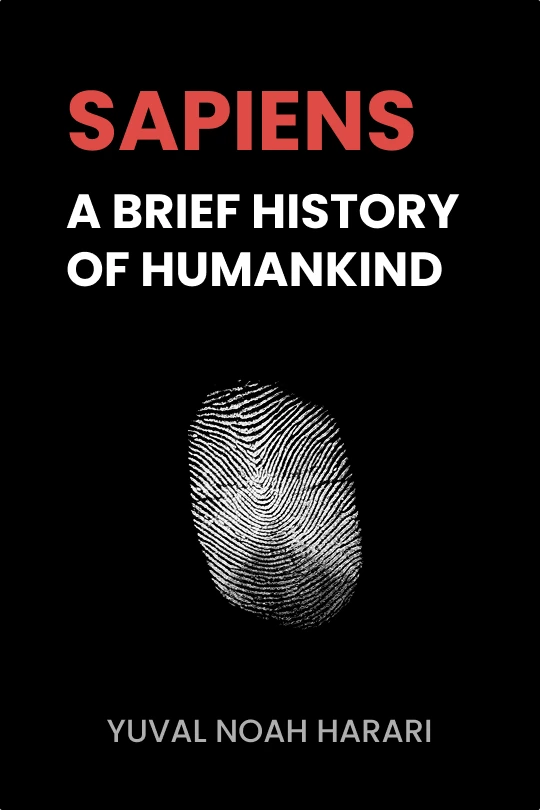
Sapiens: A Brief History of Humankind
Yuval Noah Harari
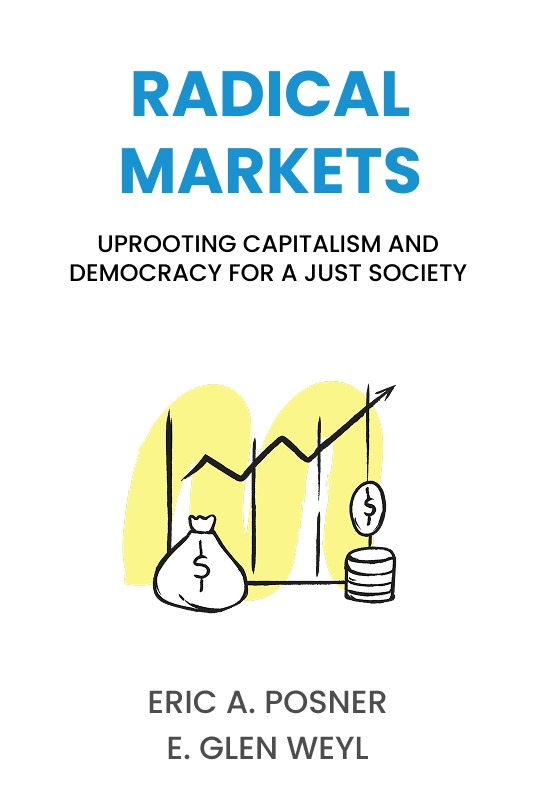
Radical Markets: Uprooting Capitalism and Democracy for a Just Society
Eric A. Posner, E. Glen Weyl
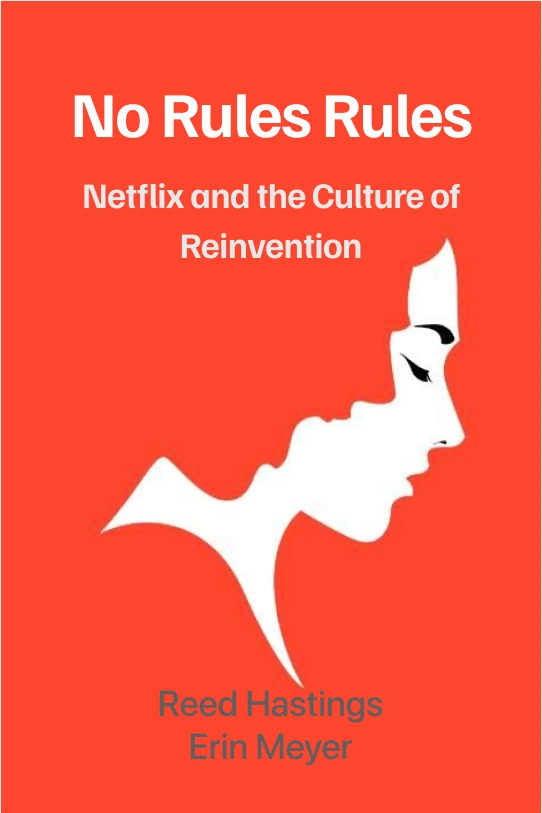
No Rules Rules: Netflix and the Culture of Reinvention
Reed Hastings, Erin Meyer
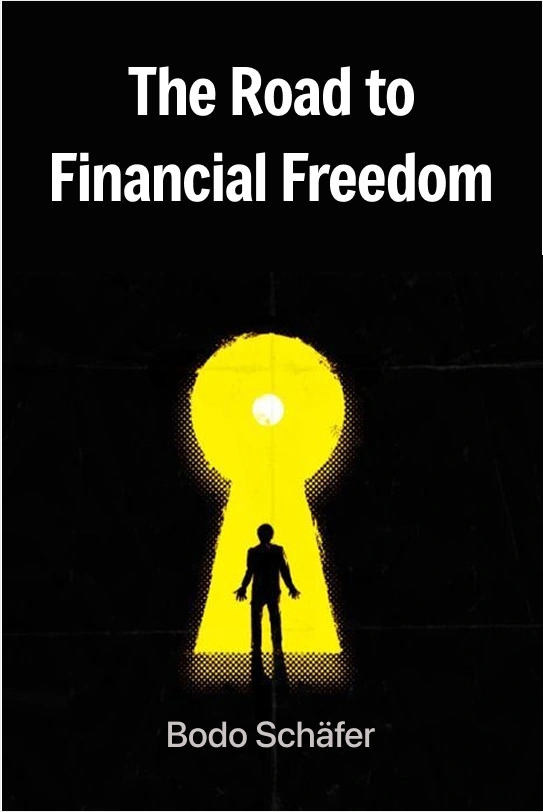
The Road to Financial Freedom
Bodo Schäfer

Amusing Ourselves to Death: Public Discourse in the Age of Show Business
Neil Postman
Breath: The New Science of a Lost Art
James Nestor

How to Win Friends & Influence People
Dale Carnegie
Code: The Hidden Language of Computer Hardware and Software
Charles Petzold

Vacuum Diagrams (Xeelee Sequence, #5)
Stephen Baxter
The Almanack of Naval Ravikant
Naval Ravikant, Eric Jorgenson

The Intelligent Investor
Benjamin Graham