
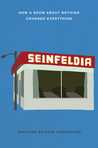
Seinfeldia: How a Show About Nothing Changed Everything
"A cultural autopsy of the sitcom that weaponized life's petty annoyances into a lasting comic philosophy."
- 1Art emerges from the tyranny of mundane constraints. The show's legendary 'no hugging, no learning' rule forced creativity into the minutiae of social interaction, proving that artistic innovation thrives under self-imposed limitations rather than expansive, sentimental plots.
- 2Obsessive specificity is the soul of universal comedy. By mining the writers' own lives for hyper-specific grievances—soup nazis, close-talkers, lost cars in parking garages—the show transformed personal neuroses into a shared cultural vocabulary that felt personally resonant to millions.
- 3Auteur-driven collaboration requires ruthless editorial control. The creative partnership of Seinfeld and David functioned as a benevolent dictatorship, cyclically consuming and discarding writing staff to maintain a singular, uncompromising voice, prioritizing the show's ethos over individual careers.
- 4Cultural permanence is built in the syndication afterlife. The show's true legacy and financial empire were cemented not in its initial ratings but through endless syndication, which allowed new generations to discover and dissect its jokes, ensuring its relevance decades later.
- 5Fandom can eclipse and reshape the original artifact. Devotees did not merely watch 'Seinfeld'; they entered 'Seinfeldia,' a parallel reality where catchphrases entered the lexicon, minor characters built careers, and fans authored their own continuations, blurring the line between show and world.
Jennifer Keishin Armstrong's 'Seinfeldia' is not a standard episode guide or celebrity biography, but a cultural history that traces how a niche sitcom, born from a casual conversation between two comedians, metastasized into a permanent fixture of the American psyche. It positions 'Seinfeld' as the unlikely victor of television's creative wars in the 1990s, a show that defiantly rejected traditional sitcom sentiment and plot in favor of a rigorous, almost anthropological examination of social etiquette and petty grievance.
Armstrong meticulously charts the show's improbable journey, from its tenuous beginnings as a summer replacement series to its reign as a Thursday-night institution. The narrative delves into the alchemical creative process led by Jerry Seinfeld and Larry David, revealing how their 'no hugging, no learning' mandate and reliance on writers' room anecdotes forged a revolutionary comic style. Key episodes—like 'The Chinese Restaurant' and 'The Contest'—are presented not as mere hits, but as deliberate acts of creative rebellion that redefined what television comedy could be.
The book further explores the intricate, often tense dynamics among the cast, the grueling production schedule, and the profound impact of Larry David's departure. Armstrong then pivots to examine the phenomenon's second life, arguing that the show's true cultural conquest occurred in syndication and through fan engagement, spawning a self-sustaining universe of catchphrases, trivia, and real-world entrepreneurial ventures by its minor players.
Ultimately, 'Seinfeldia' argues for the show's significance as a sociological artifact. It is targeted at both dedicated fans and cultural historians, serving as a definitive account of how a 'show about nothing' came to mirror, critique, and ultimately shape the rhythms and absurdities of modern life, securing its legacy far beyond its nine-season run.
The consensus praises the book's exhaustive behind-the-scenes reporting and its compelling narrative for dedicated fans, offering fresh anecdotes about writers' room dynamics and cast relations. However, a significant critical faction finds the prose workmanlike and the structure repetitive, arguing it often recaps well-known lore without delivering sufficient new analysis or critical depth. The material is universally deemed accessible and engaging for enthusiasts, if not groundbreaking for seasoned pop culture scholars.
- 1The revelation of the show's exploitative 'writer mill' process and its ethical implications for Larry David and Jerry Seinfeld's legacies.
- 2Debate over the book's depth, with some finding it a rich historical account and others criticizing it as a superficial retelling of known stories.
- 3Discussion of post-show cast trajectories, particularly Michael Richards's career decline and Julia Louis-Dreyfus's dramatic resurgence.
- 4Analysis of how specific landmark episodes, like 'The Contest,' were created and their lasting impact on television censorship.

How to Win Friends & Influence People
Dale Carnegie
Breath: The New Science of a Lost Art
James Nestor

Permanent Record
Edward Snowden
Stumbling on Happiness
Daniel Gilbert
Radical Markets: Uprooting Capitalism and Democracy for a Just Society
Eric A. Posner, E. Glen Weyl
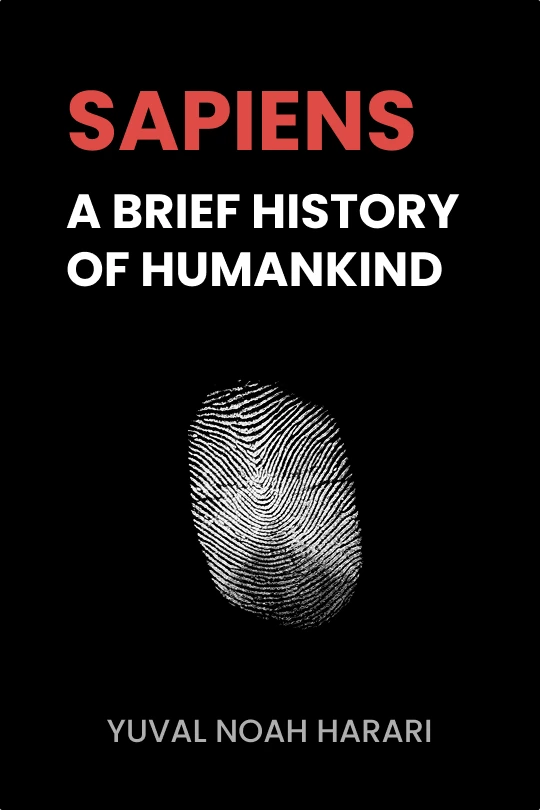
Sapiens: A Brief History of Humankind
Yuval Noah Harari

Amusing Ourselves to Death: Public Discourse in the Age of Show Business
Neil Postman
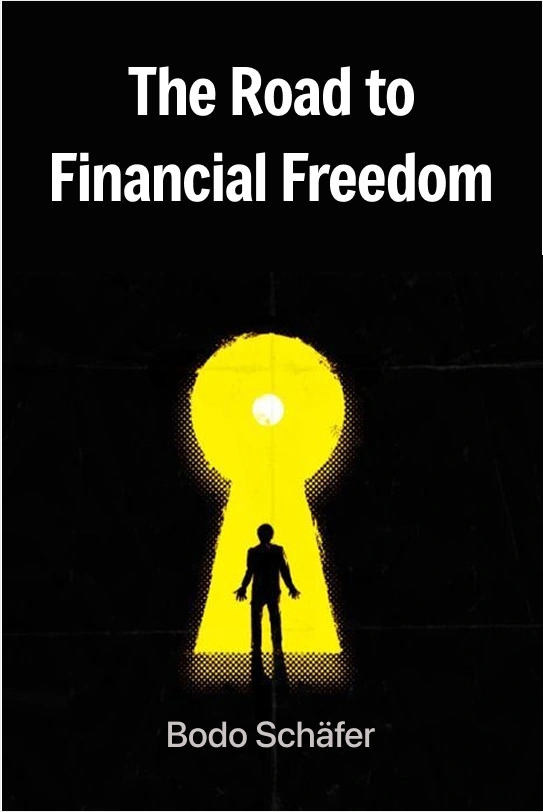
The Road to Financial Freedom
Bodo Schäfer
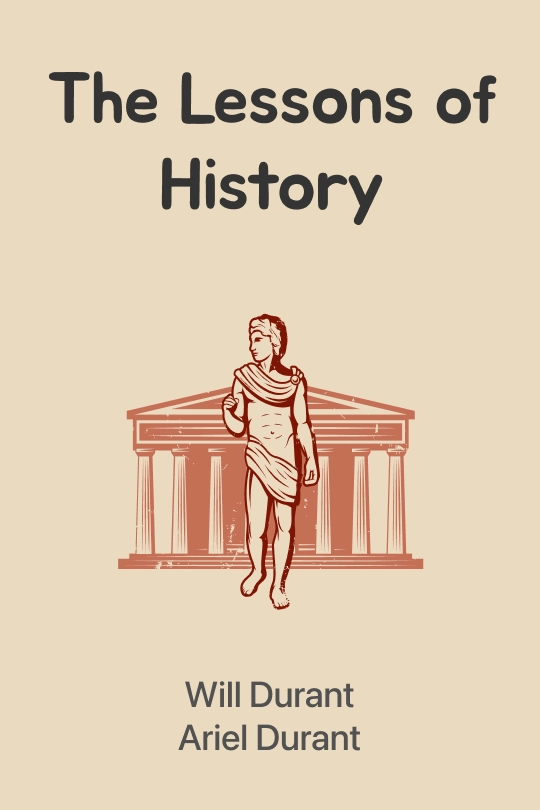
The Lessons of History
Will Durant

The Almanack of Naval Ravikant
Naval Ravikant, Eric Jorgenson
Transformation in Christ
Dietrich Von Hildebrand
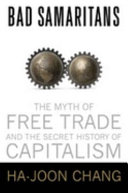
Bad Samaritans
Ha-Joon Chang