
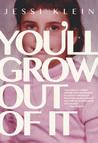
You'll Grow Out of It
"A sharp, comedic autopsy of modern womanhood, dissecting the absurdity of feminine rites from tomboyhood to adulthood."
- 1Embrace the awkward persistence of the tomboy identity. The book argues that the tomboy sensibility is not a phase but a foundational, enduring lens through which to navigate the performative expectations of femininity, offering a unique form of resilience.
- 2Reject the tyranny of prescribed feminine milestones. It frames events like wedding dress shopping or award ceremonies not as triumphs, but as surreal performances, exposing the deep-seated anxiety and alienation they can provoke beneath the surface.
- 3Find humor in the grotesque realities of the body. Klein mines comedy from the physical and biological indignities of womanhood, from the search for watchable porn to the clinical ordeal of infertility, transforming private shame into communal catharsis.
- 4Pursue creative ambition despite paralyzing self-doubt. The narrative champions a stubborn, pragmatic perseverance in creative fields, illustrating how success often coexists with a profound and persistent feeling of being an imposter or feeling like 'dogshit.'
- 5Distinguish between ma'am as insult and miss as fantasy. It elevates a minor linguistic shift into a major cultural signifier, treating the transition from 'miss' to 'ma'am' as the unavoidable, sobering acknowledgment of a certain kind of visible adulthood.
Jessi Klein's You'll Grow Out of It is a whip-smart collection of autobiographical essays that chronicles a lifelong negotiation with femininity. Framed by her identity as a permanent tomboy—a 'tom man'—Klein dissects the awkward, often hilarious chasm between societal expectations for women and her own visceral, interior experience. The book positions her outsider status not as a deficit but as a razor-sharp analytical tool.
Through a series of precisely observed vignettes, Klein traverses the minefields of modern womanhood: disastrous dating, the surreal pageantry of wedding planning, and the hollow strangeness of winning an Emmy. Her prose operates with the timing of a seasoned stand-up, finding the absurd punchline in moments of deep vulnerability. The humor, however, is never a shield; it is the mechanism of inquiry, exposing the raw nerves of insecurity, ambition, and bodily anxiety that thrum beneath these shared cultural rituals.
The collection builds toward its most emotionally resonant material in its later chapters, which grapple with the complex journey of infertility. Here, Klein's comedic voice achieves a remarkable poignancy, balancing the clinical absurdity of treatment with a profound longing. She navigates this terrain without sentimentality, instead offering a darkly funny and deeply relatable map of a struggle often shrouded in silence.
Ultimately, You'll Grow Out of It is a significant contribution to the canon of contemporary feminist humor. It speaks directly to anyone who has ever felt out of step with prescribed life scripts, offering not reassurance, but the powerful solidarity of shared, well-articulated bewilderment. Its legacy lies in its ability to transform personal specificity into universal insight, proving that the most particular stories often illuminate the most common truths.
The critical consensus celebrates Klein's singular, relatable voice and the brutal honesty of her essays, particularly her takes on tomboy identity and infertility. Readers consistently praise the book's ability to balance laugh-out-loud humor with moments of genuine emotional wallop. A recurring critique notes that the collection's impact can feel uneven; some essays resonate as timeless and profound, while others strike certain readers as more ephemeral or less universally accessible. The overall mood is one of appreciative recognition for a comedian who successfully translates her specific anxieties into a broadly connective narrative.
- 1The profound emotional impact of the final chapter on infertility, praised for its heartbreaking yet humorous honesty.
- 2Debate over the relatability of specific essays, particularly the chapter on hating baths, which divides readers.
- 3Appreciation for Klein's unique 'tom man' perspective as a refreshing lens on feminine societal pressures.
- 4Discussion of the book's structure, with some finding the essay collection format uneven in its narrative power.
Amusing Ourselves to Death: Public Discourse in the Age of Show Business
Neil Postman

The Artist's Way
Julia Cameron

Bad Samaritans
Ha-Joon Chang

Permanent Record
Edward Snowden
How to Win Friends & Influence People
Dale Carnegie
Transformation in Christ
Dietrich Von Hildebrand

The Psychology of Money: Timeless Lessons on Wealth, Greed, and Happiness
Morgan Housel
Radical Markets: Uprooting Capitalism and Democracy for a Just Society
Eric A. Posner, E. Glen Weyl

The Almanack of Naval Ravikant
Naval Ravikant, Eric Jorgenson

Code: The Hidden Language of Computer Hardware and Software
Charles Petzold

The Road to Financial Freedom
Bodo Schäfer
The Book of Basketball: The NBA According to The Sports Guy
Bill Simmons