
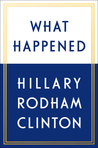
What Happened
"A raw, introspective autopsy of a devastating political loss and a stark warning about democracy's fragility."
- 1Confront the gendered double standard in political life. The memoir dissects how scrutiny of a woman's voice, appearance, and demeanor operates on a different, harsher plane than that applied to male counterparts, framing it as a systemic barrier.
- 2Analyze how foreign interference weaponizes social division. Clinton meticulously details the Russian campaign of cyber-warfare and disinformation, presenting it not as a partisan issue but as a fundamental assault on electoral integrity that demands a unified response.
- 3Navigate grief and public failure with private resilience. The book offers a blueprint for personal recovery after profound disappointment, emphasizing the restorative power of friendship, literature, and quiet reflection beyond the political arena.
- 4Decode the politics of rage and economic anxiety. It examines the potent, often irrational forces of fear and resentment that fueled the 2016 electorate, arguing that policy alone cannot combat a narrative built on emotion.
- 5Understand the unprecedented nature of norm-shattering campaigns. The narrative captures the disorienting experience of competing in an environment where traditional rules of decorum, fact, and political strategy were deliberately rendered obsolete.
In 'What Happened,' Hillary Rodham Clinton conducts a forensic and deeply personal examination of her 2016 presidential campaign, an event that stands as one of the most jarring and consequential in modern American political history. Moving beyond the standard political memoir, she writes from the unprecedented vantage point of the first female major-party nominee, who simultaneously made history and endured a shocking defeat. The book is structured as both an intimate diary of that turbulent year and a analytical report on the forces that conspired to shape its outcome.
Clinton meticulously reconstructs the campaign's trajectory, from the primaries through the election night, detailing strategic decisions, public debates, and the relentless, 24-hour news cycle. She provides an insider's account of confronting an opponent who operated outside established political norms, and she does not shy from cataloging her own campaign's missteps and miscalculations. Interwoven with this political narrative is a clear-eyed analysis of the coordinated Russian interference campaign, framing it as a sophisticated attack on democratic institutions that exploited societal fissures.
The memoir's most compelling thread is its unflinching exploration of the specific challenges faced by women in power. Clinton dissects the pervasive sexism and double standards that colored media coverage and public perception, scrutinizing everything from her wardrobe to her vocal tone. In its final sections, the book transitions from postmortem to a meditation on resilience, detailing the personal rituals and relationships that anchored her in the aftermath of loss.
Ultimately, 'What Happened' serves a dual purpose: it is a cathartic document for Clinton and her supporters, and a cautionary treatise for the nation. It argues that the 2016 election was not a typical political contest but a symptom of deeper vulnerabilities—in media, technology, and civic discourse—that continue to threaten the American democratic project, making the book essential reading for anyone concerned with the state of the union.
The reader consensus polarizes sharply along predictable lines, yet a clear pattern emerges among its primary audience. Supporters praise the book as a cathartic, emotionally resonant, and necessary insider account, valuing its vulnerability and detailed analysis of sexism and foreign interference. Detractors dismiss it as a self-serving exercise in blame deflection. Neutral readers often find the introspection and behind-the-scenes campaign details compelling, even if they question some strategic conclusions. The prose is generally acknowledged as accessible and engaging, though some critics find it occasionally weighed down by exhaustive detail.
- 1The emotional catharsis the book provides for supporters, described as a healing narrative after a traumatic political event.
- 2Debate over the attribution of blame: introspection versus external factors like Russia, Comey, and media bias.
- 3The effectiveness and sincerity of Clinton's analysis of the gendered criticism she faced throughout her career.
- 4Discussion on whether the book's detailed recounting of campaign strategy offers valuable insight or mere retrospective justification.
Breath: The New Science of a Lost Art
James Nestor

The Intelligent Investor
Benjamin Graham
The Essays of Warren Buffett: Lessons for Corporate America
Lawrence A. Cunningham, Warren Buffett
The Lessons of History
Will Durant
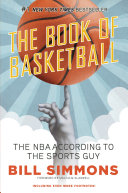
The Book of Basketball: The NBA According to The Sports Guy
Bill Simmons
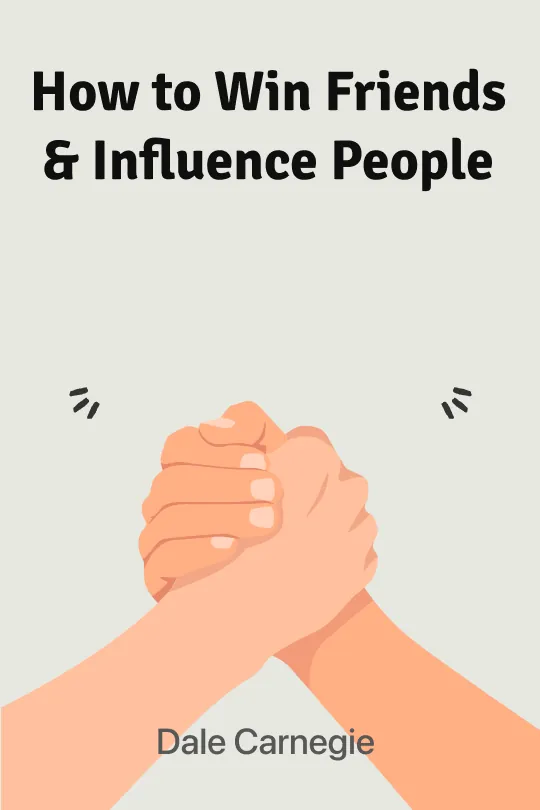
How to Win Friends & Influence People
Dale Carnegie
Stumbling on Happiness
Daniel Gilbert

Code: The Hidden Language of Computer Hardware and Software
Charles Petzold
Transformation in Christ
Dietrich Von Hildebrand
The Psychology of Money: Timeless Lessons on Wealth, Greed, and Happiness
Morgan Housel
Sapiens: A Brief History of Humankind
Yuval Noah Harari
The Creative Habit
Twyla Tharp, Mark Reiter